
Malabar Spinach
Basella alba L.
Basellaceae
Location in our garden
Vegetable
Synonym
Basella cananifolia Buch.-Ham. ex Wall.
Basella cordifolia Lam.
Basella crassifolia Salisb.
Habitus

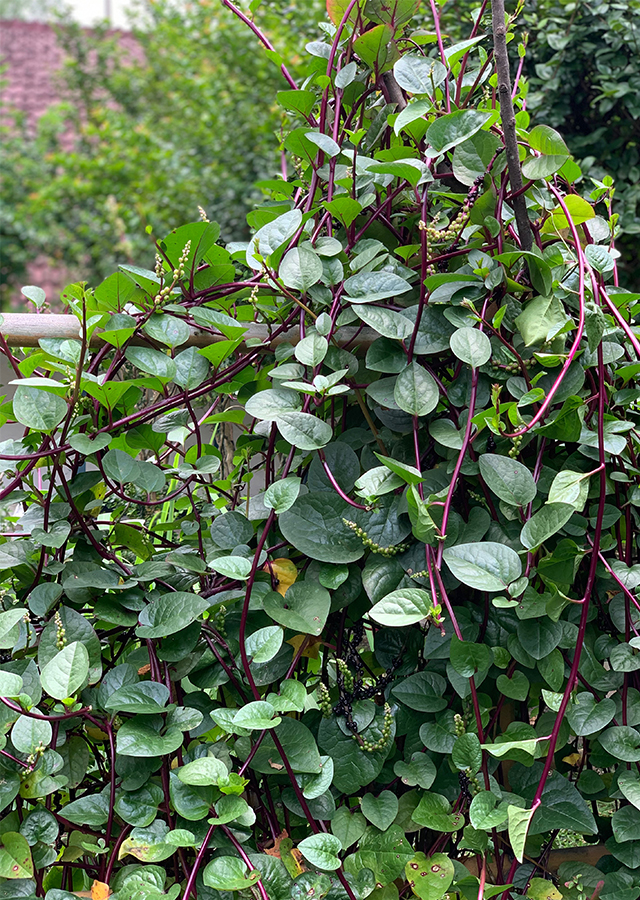
Herbaceous. A perennial twining vine, producing stems up to 9 m long.
Part Used
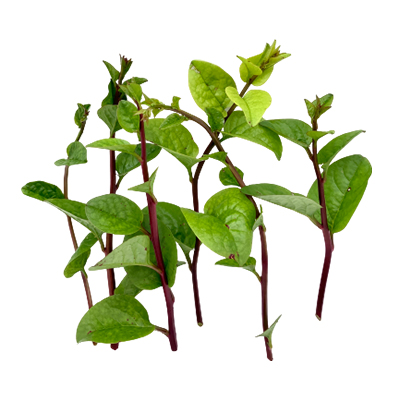
 The Whole Plant
Growing Requirements
 Need Shade
 High Rainfall
Habitat
 Riverbanks
 Forest
 Shrublands
Overview
Malabar spinach has been described as indigenous to Africa and/or Asia. In the tropics, it is now commonly grown, spreading to the subtropics. Distributed to Asia, Africa, North America, Central America, the Caribbean, South America, Europe, Asia, and Oceania. B. alba can grow rampantly in ideal conditions but can become invasive if not properly managed.
Vernacular Names
Gendola (Indonesia), Buffalo spinach (English), alcaparra (Spanish), Chan cai (Chinese), Baselle (French), Tsuru-murasaki (Japanese),Remayong (Malay), Alugbati (Tagalog-Philippines), Phakpang (Thai), Mong toi(Vietnamese).
Agroecology
Malabar spinach is a plant in the tropical tropics, where it can be found at altitudes of up to 1,500 m. In areas where annual daytime temperatures are within the range of 23-27 ° C but can tolerate at 10 to 35 °C. It grows best, preferring an average annual rainfall of 2,000-2,500 mm. It prefers well-drained moisture-retentive soil rich in organic matter and a warm sunny sheltered location. It can grow in soil with a pH range of 5.5-7 but can tolerate 4.3-7.5.
Morphology
- Stems - at first stout, to 2 cm thick, green,narrowing, sometimes abruptly and becoming slender, elongate, and climbing.
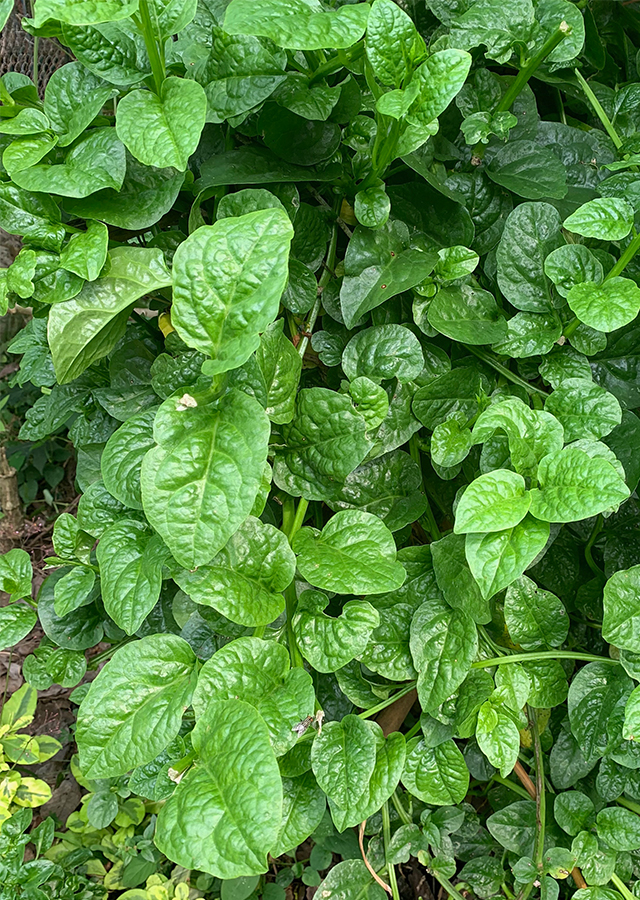
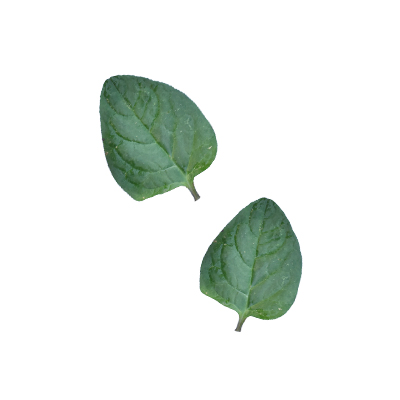
- Leaves - sessile or short petiolate, fleshy, ovate, often broadly so, apically rounded,obtuse or acute, basally cuneate, truncate, orcordate, the lateral venation some what obscure.
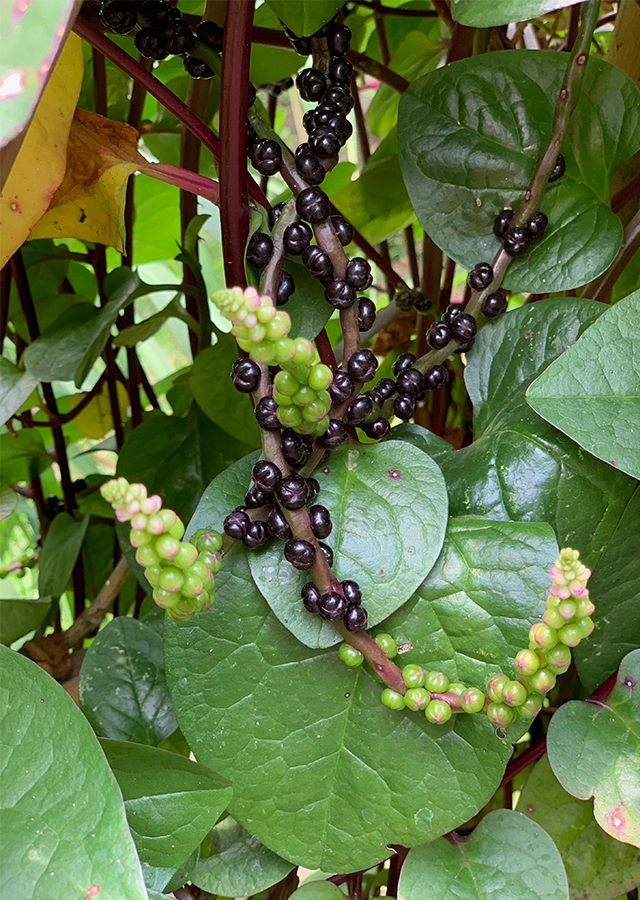
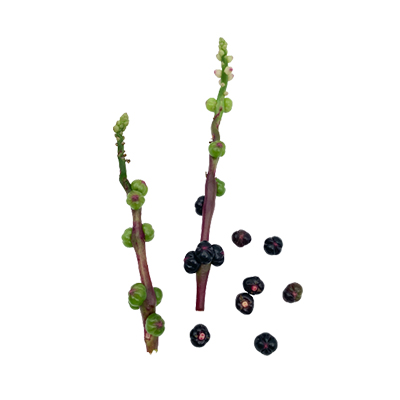
- Flowers - subsessile or pedicellate on juvenile forms, bract scale-like; bracteoles calyx-like, 1-2 mm long, acute, sepals white, pink, or red, 3-5 mm long, urceolate to cylindrical.
- Fruits - dark purple or black baccate drupe, 0.5 cm in diameter, the perianth parts enlarged, succulent and enveloping the globose seed and ovary.
Cultivation
- Propagated by seeds and stem cuttings.
- To germinate, the seed needs a minimum temperature of 18-21 °C.
- Stem cuttings, 20 cm long or so. They root quickly, taken at any time of the year.
Chemical Constituents
Saponin, riboflavin, niacin, thiamin, flavonoid, amino acids, phenol carotenoid, ß-caarotene, lutein, and zeaxanthin.
Traditional Medicinal Uses
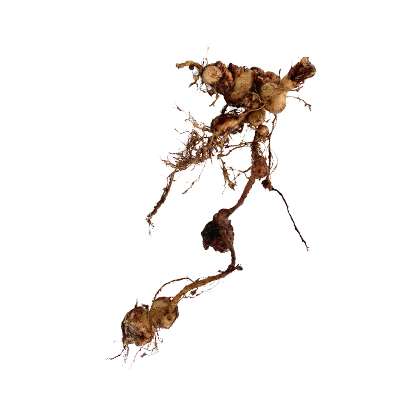
- The roots are astringent.
- The flowers are used as an antidote to poisons.
- It has been reported as having potential antiulcer, antioxidant, cytotoxic,antibacterial, anti-inflammatory, nephroprotective and wound healing properties, and functioning as a central nervous system depressant.
- The plant is used for catarrh treatment in Nepal.
- To treat boils and sores, a paste of leaves is applied externally.
- The leaves and roots, because of their laxative properties, are cooked and eaten.
- To treat conjunctivitis, the red juice of the fruit is used as eye drops.
- The leaf juice is used in cases of dysentery, is demulcent. It is also a diuretic, a laxative, and a febrifuge.
- The plant is febrifuge, its juice is a healthy aperient for pregnant women, and a decoction has been used to relieve labor.
- The roots are cooked and used in diarrhea therapy. In swellings, a paste of the root is added and is often used as a rubefacient.
Part Used
Reference Sources
- CABI. (No date). Invasive Species Compendium. Basella alba (malabar spinach). https://www.cabi.org/isc/datasheet/8273. 21-12-2020.
- Tropical Plants Database, Ken Fern. (2014). Basella alba. http://tropical.theferns.info/viewtropical.php?id=Basella+alba. 21-12-2020.