
Kale
Brassica oleracea L.
Brassicaceae
Location in our garden
Vegetable

Synonym
Brassica oleracea subsp. acephala (DC.) Metzg.
Habitus

Herbaceous. An annual or biennial crop that grows 20-60 cm tall
Part Used
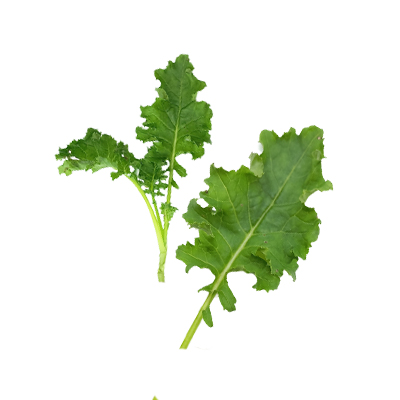
 Leaves
Growing Requirements
 Full Sunshine
 Low Temperature
Habitat
 Terrestrial
Overview
Brassica oleracea L. var. acephala is a popular cruciferous vegetable originating from Central Asia, and is well known for its abundant bioactive compounds. Kale is a leafy green vegetable that has been grown in Europe since the Middle Ages, and has gained a great popularity as a “superfood” in recent years, due to its anticancerogenic and antioxidant potential. Furthermore, it is an important vegetable crop in traditional farming systems, grown for their leaves and flower buds. Kale, however, boasts a wealth of nutrition and is fat-free, sugar-free, cholesterol-free, and exceptionally low in sodium and calories. It contains so many vitamins and nutrients that can contribute to supporting many health benefits.The leaves can be eaten fresh or as a cooked vegetable and are a source of vitamin A, vitamin C, calcium, iron, and vitamin B6.
Vernacular Names
No found data on this. Need further research.
Agroecology
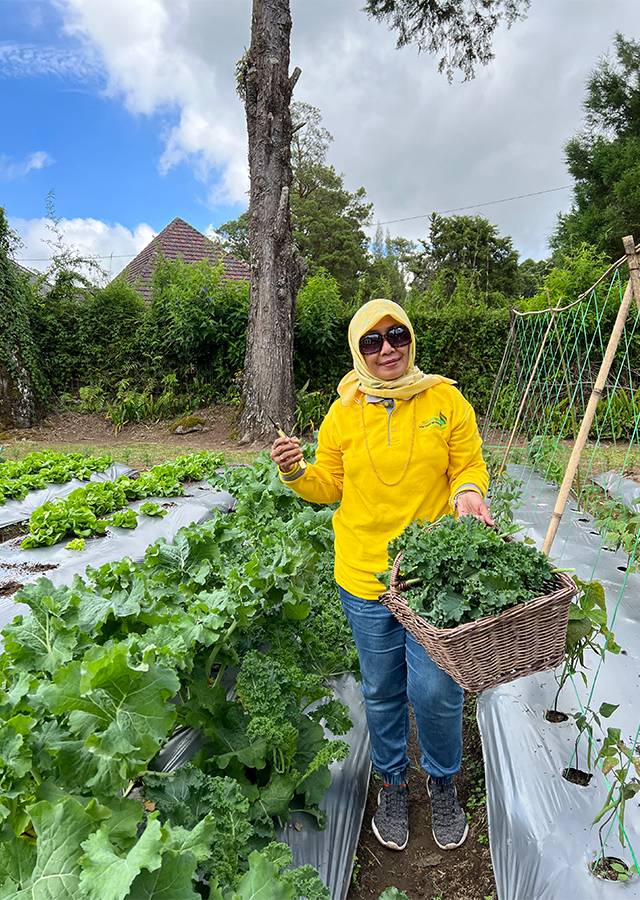
Kale can be found in highland areas. Grows best in full sun, with a soil pH between 6-7. This crop requires cold temperatures, and by this environmental conditions it will produce sweeter kale.
Morphology
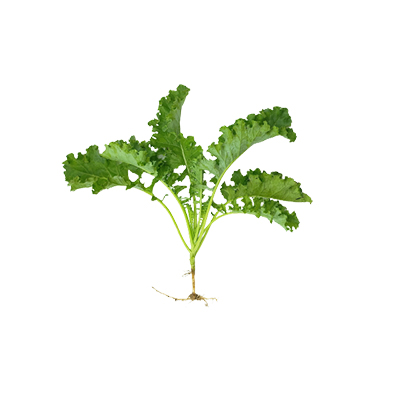
- Root - taproot.
- Stem - erect, light green.
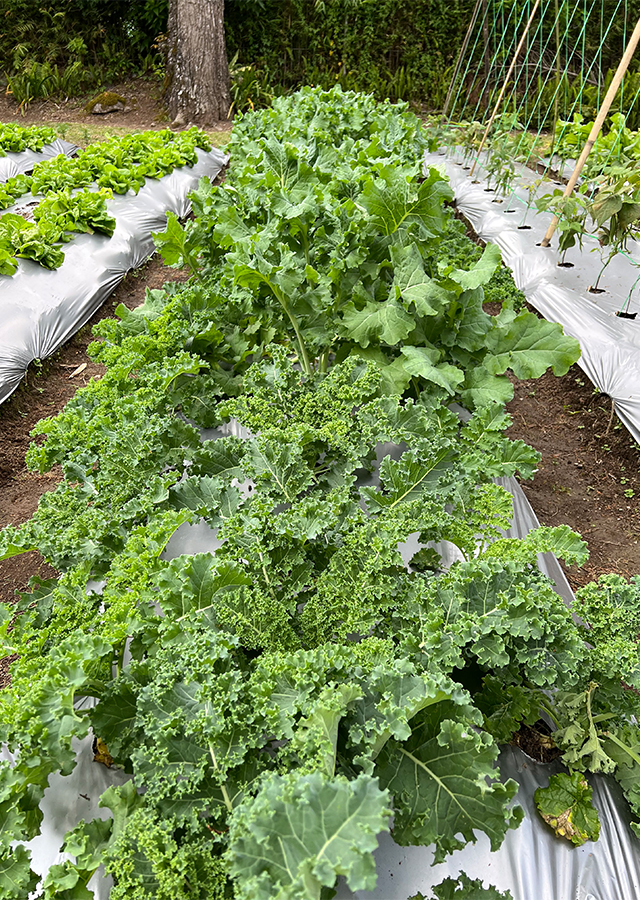
- Leaves - produce a rosette of elongated leaves with wavy to frilled margins, green in colour.
- Flower - yellow in colour, and can be white.
- Fruit - dry capsules known as siliques, containing seeds.
- Seed - small oval or ellips, brown to blackish, smooth surface.
Cultivation
Generative propagation is by seed.
Chemical Constituents
Polyphenol, glucosinolate, terpenoid, carotenoid (lutein, betacaroten), phenolic compound, ascorbat acid, folate acid.
Traditional Medicinal Uses
- Kale supports eye health and reduce your risk of macular degenaration and other age-related eye diseases.
- It reduces the risk of heart disease by helping lower LDL cholesterol, or “bad cholesterol”.
- Can help lower blood pressure naturally.
- Can help reduce the risk of osteoporosis, a common disorder in which the bones grow fragile and become prone to fractures.
Part Used
Reference Sources
- Encyclopaedia Britannica. (2021). Kale vegetable. https://www.britannica.com/plant/kale. 04-01-2022.
- Kew Royal Botanic Gardens. (2021). Plants of the World Online: Brassica oleracea L. https://powo.science.kew.org/taxon/urn:lsid:ipni.org:names:279435-1. 04-01-2022.
- Monaco Nature Encyclopedia. (No date). Brassica olerace. https://www.monaconatureencyclopedia.com/brassica-oleracea/?lang=en. 04-01-2022.
- Poveda, J., et al. (2020). Brassica oleracea var. acephala (kale) improvement by biological activity of root endophytic fungi. https://www.nature.com/articles/s41598-020-77215-7. 04-01-2022.
- WebMD. (2005). Health Benefits of Kale. https://www.webmd.com/diet/health-benefits-kale#2. 04-01-2022.