
Sea Holly
Acanthus ilicifolius L.
Acanthaceae
Location in our garden
Aquatic
Synonym
Acanthus ilicifolius var. typica Domin
Dilivaria ilicifolia (L.) J.St.-Hil.
Habitus

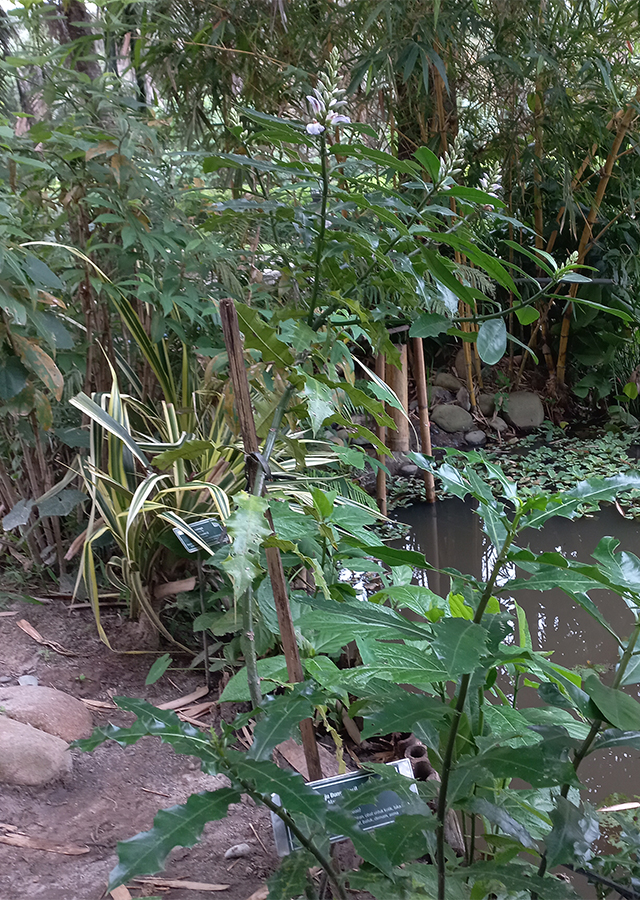
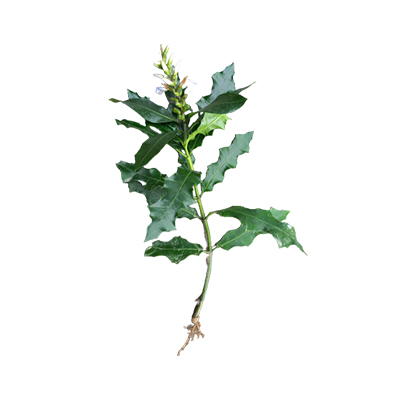
Shrubs. An erect or ascending, slightly branched, smooth perennial shrub, growing up to 3 m tall.
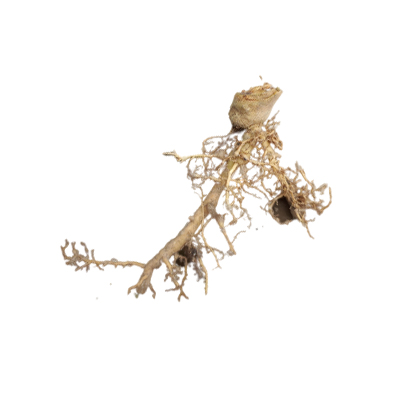
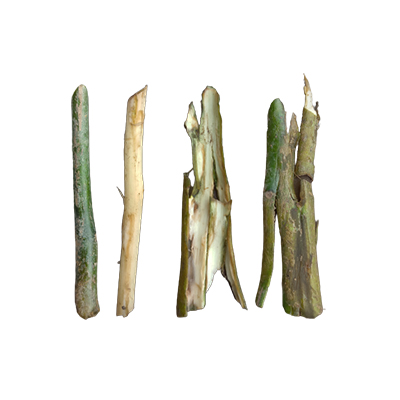
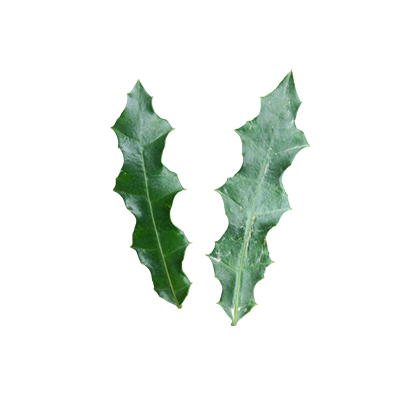
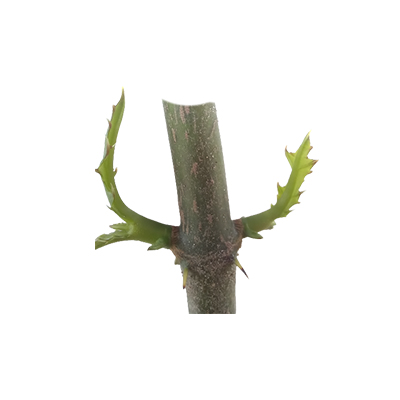
Part Used
 Shoots
 Leaves
 Bark
Bark Roots
Roots Stem
Stem The Whole Plant
Growing Requirements
 Full Sunshine
 Need Shade
Habitat
 Wetland
 Coastal
Overview
Acanthus ilicifolius is native to tropical and subtropical Asia to South-West Pacific.The plant is harvested from the wild for local use as a medicine and the ashes of the burnt plant are used as a lye for making soap. Occurs in tropical Asia, from South India to Sri Lanka to Indo-China, Indonesia and northern Australia.
Vernacular Names
Karimkurunji (India), Lao shu le (Chinese), Akansasu irikiforiusu (Japanese), Stechpalmenblättrige Bärenklau (German), Çobanpüskülü yaprakli ayi pençesi (Turkish), Kaya-chon (Burmese), Diluario (Tagalog-Philippines).
Agroecology
A plant of the tropics, where it is found at near the shoreline in areas with no dry season or with a short dryseason. It grows best in areas where annual daytime temperatures are within the range 18-26 °C, but can tolerate 15-32 °C. It prefers a mean annual rainfall in the range 1,500-2,500 mm, but tolerates 1,000-3,000 mm. Prefers a position in full sun, tolerating some shade. Grows best in heavier soils of moderate to high fertility. Tolerant of flooding and of quite high levels of salt in the soil. Prefers a pH in the range 6.8-7.2, tolerating 6.5-7.5
Morphology
- Stems - cylindrical and greenish, with a pair of short, sharp spines at the base of each petiole.s
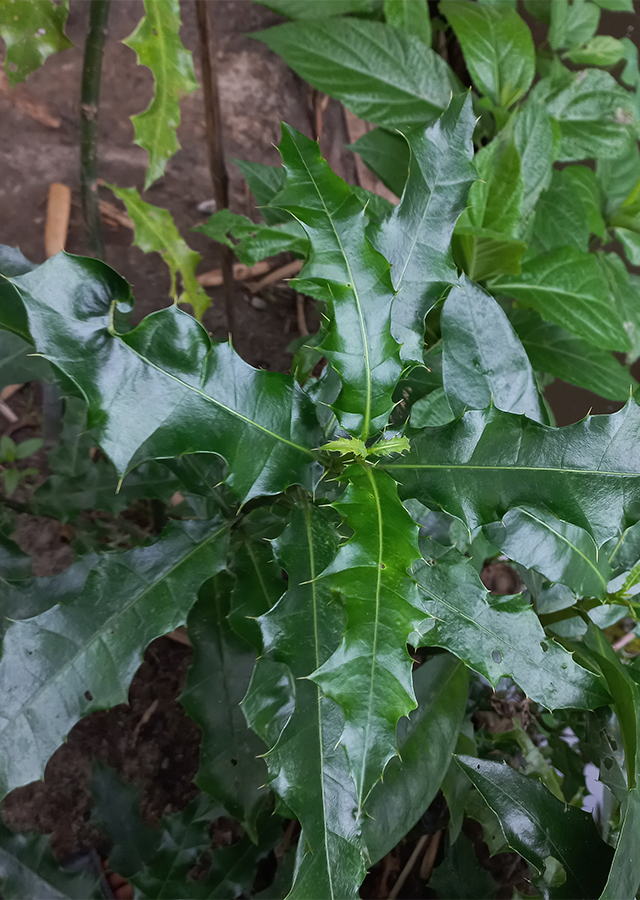
- Leaves - rigid, coriaceous, green and shining, oblong to oblong-lanceolate, 9 to 14 cm long, sinuate-toothed in the margins with spinous teeth. Leaf stalks are 1 cm long or less.
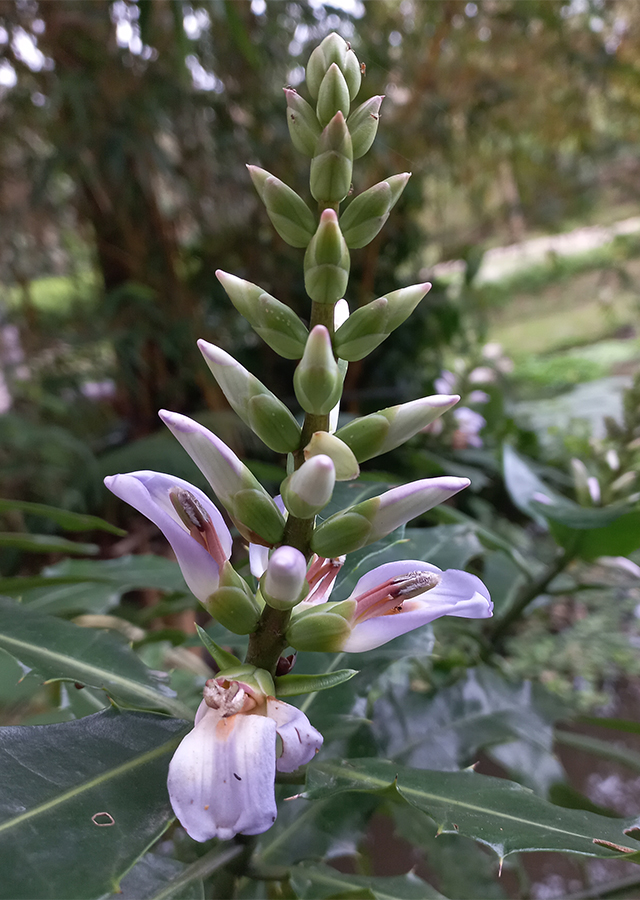
- Flowers - about 4 cm long, each subtended by an ovate, green, closely appressed bracts 7 to 8 mm long, and by two similar but smaller bracteoles, borne in terminal, solitary, dense, or interrupted spikes. Calyx is green, 10 to 12 mm long. Corolla tube is 1 cm long, the lower lip, pale-blue, spreading or recurved, about 3 cm long, 2.5 cm wide, and pubescent within.
- Fruit - capsule is brown, shining, and 2 to 2.5 cm long.
- Seeds - 6 to 10 mm long, with white testa.
Cultivation
Generative propagation is by seed, and vegetative propagation is by stem cutting.
Chemical Constituents
Alkaloids, flavanoids, phenols, terpenoids, lignins, glycosides, and other compounds.
Traditional Medicinal Uses
- Decoction of roots and leaves is used for asthma; also, to aid expectoration.
- Applied topically, the leaves are used as a poultice on wounds, rheumatic joints and areas of neuralgic pain.
- In Thailand, decoction of whole plant is used for kidney stones.
- Ground fresh bark is used as antiseptic.
- In Siam and Indo-China, roots are used for paralysis and asthma.
- In India, popularly used for its wound healing effects; tender shoots and leaves used for snake bites.
- Studies have suggest antibacterial, antifungal, antioxidant, hepatoprotective, gastroprotective, anticanca, chemopreventive, anthelmintic, anti-inflammatory, anti-osteoporotic, antinociceptive properties.
Part Used
Reference Sources
- Fern, Ken. (2021). Useful Tropical Plants Database: Acanthus ilicifolius. http://tropical.theferns.info/viewtropical.php?id=Acanthus+ilicifolius. 11-12-2021.
- Kew Royal Botanical Gardens. (No date). Acanthus ilicifolius L. https://powo.science.kew.org/taxon/urn:lsid:ipni.org:names:44873-1. 11-12-2021.
- National Park of Singapore. (2019). Flora & Fauna Web: Acanthus ilicifolius L. https://www.nparks.gov.sg/florafaunaweb/flora/3/4/3487. 11-12-2021.
- Stuartxchange. (2020). Diluario. http://www.stuartxchange.org/Diluario. 11-12-2021.