
Shallot
Allium ascalonicum L.
Amaryllidaceae
Location in our garden
Vegetable
Synonym
Allium carneum Willd.
Cepa ascalonica (L.) Garsault
Porrum ascalonicum (L.) Rchb.
Habitus

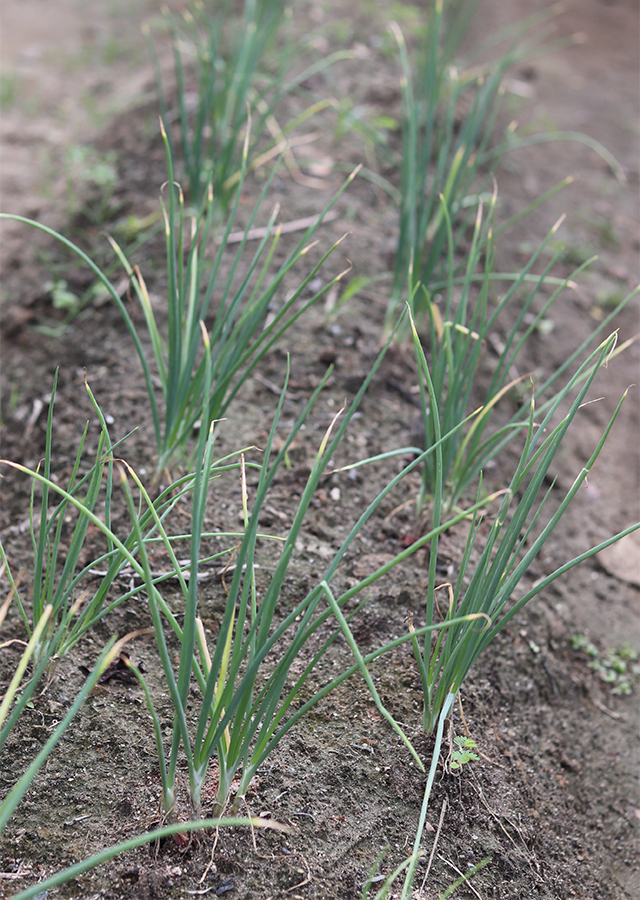
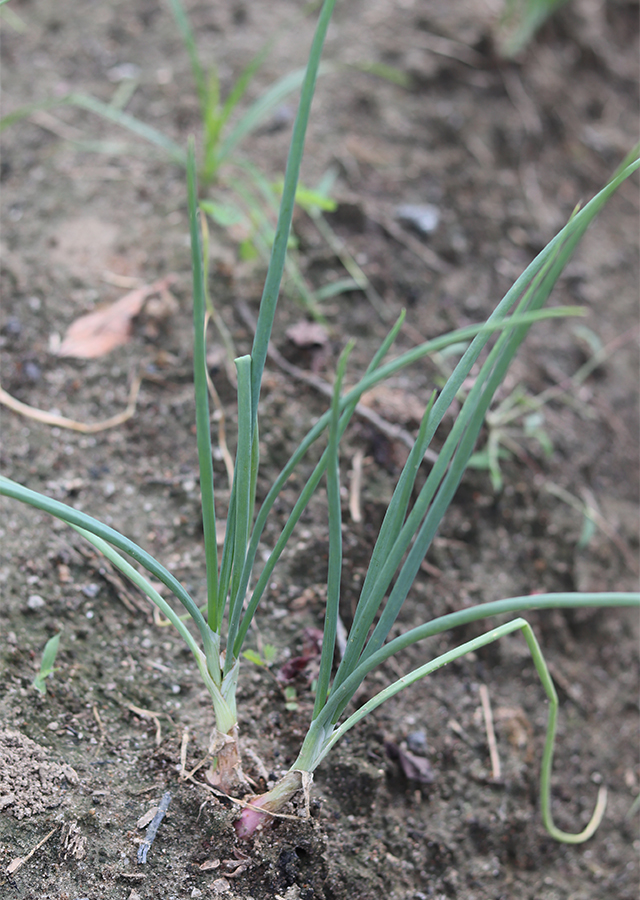
Herbaceous. A herbaceous, perennial plant producing a cluster of leaves around 30 cm long and a flowering scape around 50 cm tall from an underground bulb
Part Used
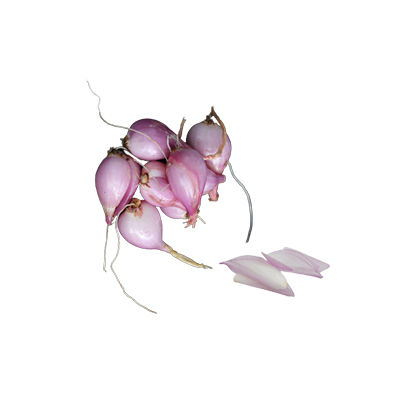
 Tuber
Tuber
Growing Requirements
 Full Sunshine
Habitat
 Terrestrial
Overview
Allium ascalonicum probably originated in Asia, traveling from there to India and the eastern Mediterranean. The name “shallot” comes from Ashkelon, a city in Israel, where people in classical Greek times believed shallots originated. Shallot is still widely cultivated, in gardens and commercially for its bulbs. The growing plant is said to repel insects and moles.
Vernacular Names
Xi xiang cong (Chinese), Échalote rouge (French), Cebolha roxa (Portuguese).
Agroecology
Allium ascalonicum that is widely grown in temperate and tropical areas for its edible bulbs. Prefers a sunny position in a light well-drained soil but tolerates most soils. Does not grow well on heavy clays. Prefers a pH in the range 6 to 7. Tolerates a pH in the range 4.5 to 8.3. Plants are very tolerant of high temperatures up to 30 °C and bulbing only occurs at temperatures above 20 °C.
Morphology
- Roots - fibrous root system.
- Leaves - first year leaves 25-45 cm in length, delicate, light-green in colour, radical. Second year leaves appear on peduncle and stem.
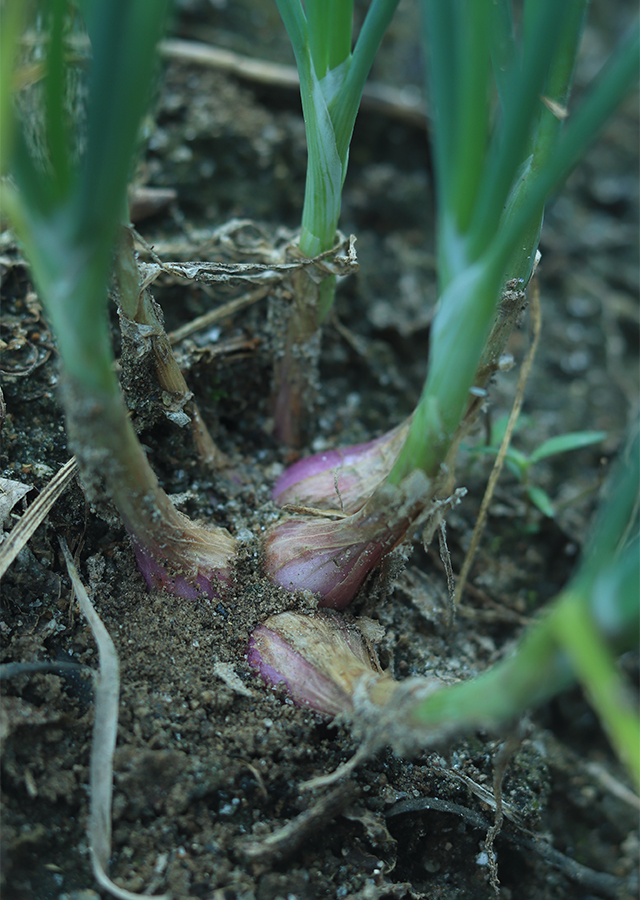
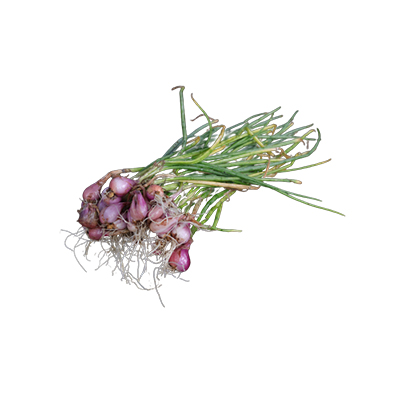
- Bulbs - ovate, 0.5-2 cm in diameter, 1.5 cm in length, up to 100 g in weight, dry glumes red-brown or yellow colour.
- Inflorescence - spherical multiflorous umbel with small light-blueish-pink or lilac colored flowers.
Cultivation
Propagated by bulbs - plant firmly to half the bulbs depth and protect from birds until the bulbs have rooted. Traditionally, bulbs were planted on the shortest day and harvested on the longest. Smaller bulbs are less likely to bolt as a result of exposure to cold conditions.
Chemical Constituents
Alkaloids, anthraquinones, saponins, cardiac glycosides, tannins, cyanogenetic glycosides, and flavonoids.
Traditional Medicinal Uses
- The bulbs considered stomachic, tonic, anthelmintic, antispasmodic, aphrodisiac, diuretic, expectorant, febrifuge, hypotensive.
- Poultice of bulb for earache, also juice dropped into canal.
- In Africa, juice is rubbed on the body for fevers.
- In Malaya, juice of bulk, with tumeric juice, is used for stomach aches.
Part Used
Reference Sources
- StuartXchange. 2021. Philippine Medicinal Plants: Sibuyas tagalog. Stuartxchange. http://www.stuartxchange.org/SibuyasTagalog.html. 11-10-2021.
- Useful Tropical Plants Database. 2021. Allium cepa aggregatum. https://tropical.theferns.info/viewtropical.php?id=Allium+cepa+aggregatum. 11-10-2021.
- Interactive Agricultural Ecological Atlas of Russia and Neighboring Countries. Economic Plants and their Diseases, Pests and Weeds. 2003. Crops: Allium ascalonicum L. http://www.agroatlas.ru/en/content/cultural/Allium_ascalonicum_K/index.html. 11-10-2021.