
Shampoo Ginger
Zingiber zerumbet (L.) Roscoe ex Sm.
Zingiberaceae
Location in our garden
Principal
Synonym
Amomum latifolium Lam.
Amomum sylvestre Lam.
Amomum zerumbet L.
Habitus

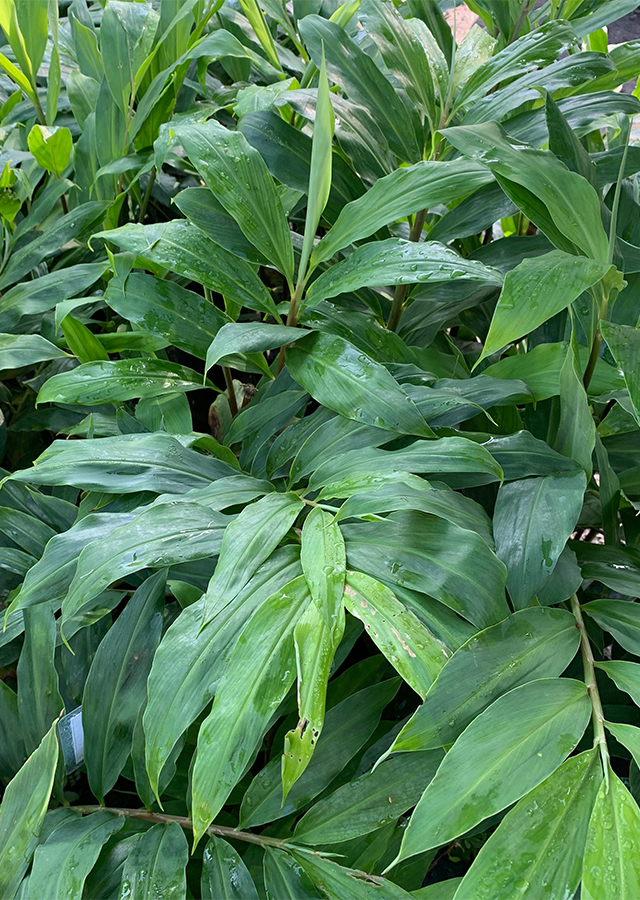
Herbaceous. Herbaceous, perennial plant, growing up to 1.5 m tall
Part Used
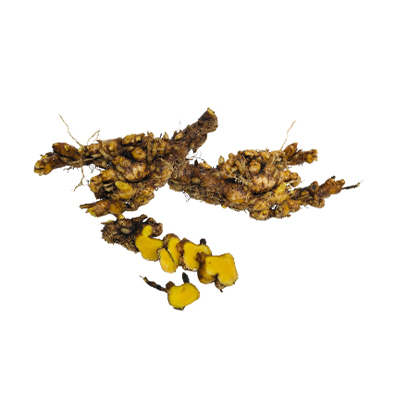
 Rhizome
Growing Requirements
 Need Shade
Habitat
 Riverbanks
 Forest
 Shrublands
Overview
Shampoo ginger is considered to be native to South-East Asia, possibly India, carried by humans throughout the Pacific and throughout the Polynesian islands. This plant is cultivated as a home-garden plant and used as a medicinal plant and spice in India, Sri Lanka, China and in South-East Asia. The plant also produces flowering heads that are very ornamental.
Vernacular Names
Zurunbad (Arabia), Jangli adha (Bangladesh), Hong qui jiang (Chinese), Gingembre blanc (French), Niga shouga (Japanese), Barik (Philippines), and Kathue-pa (Thai).
Agroecology
It is found in humid forest areas, including wet roadsides, streams and river banks, and shaded forest areas. Prefers a position in the shade of humid woodland. Fertile, humus-rich soil is preferred. Cultivated in Southeast Asia, at altitudes up to 1,200 m, in forest margins, brushwood, mixed forests, teak forests, and waste places near villages.
Morphology
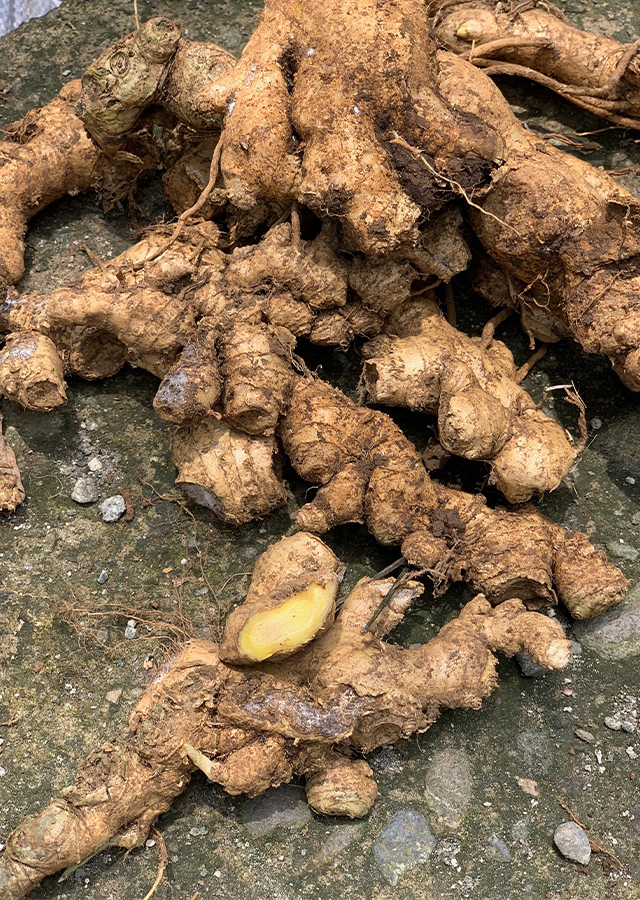
- Rhizomes - tuberous, aromatic, internally light yellow to yellow.
- Leaves - sessile or short-petiolate; sheaths glabrescent, green, blades broadly lanceolate or oblong-lanceolate, glabrescent, acuminate at apex, cuneate at base.
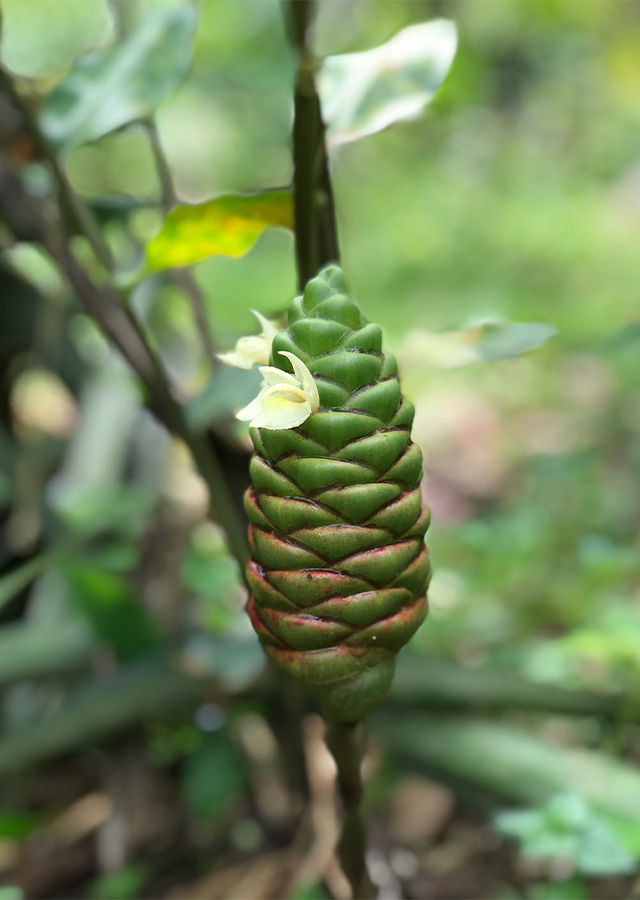
- Flowers - ovoid to ovoid-oblong or ellipsoid, obtuse at the apex, erect, broadly obovate or spatulate mature bracts, broadest above the middle, broadly rounded, or obtuse at the apex, with red-lineolate margins, green initially. Red maturing; linear to lanceolate bracteoles. 1.2-2.5 cm long calyx, membranous, white; 3.5-5.5 cm long corolla, lanceolate lobes, pale yellow to white; 1.5-2.5 cm long labellum, pale yellow to white, emarginate central lobe, nearly base-free lateral lobes.
- Fruits - ellipsoid or obovoid, 0.8-1.5 cm long, red.
Cultivation
It is generally propagated by rhizome division. Propagules have a length of 4-7.5 cm and a weight of 50-80 g. In order to prevent drying out the propagules need to be kept moist.
Chemical Constituents
Zerumbone, alpha humulene, humulene oxide, β-eudesmol, β-selinene, linalool, 12-oxabicyclo, caryophilene oxide, 3-octadecyne, hexadecanoic acid and 3-octyne 5-methyl.
Traditional Medicinal Uses
Medicinal Uses
- There is zerumbone in the essential oil in the rhizome, which has spasmolytic and bacteriostatic properties.
- Zerumbone, an active Zingiber zerumbet theory, demonstrated anti-tumor, anti-HIV and anti-cancer properties.
Traditional Uses
- In Indonesia, it is considered a stimulant for the mucous membrane of the stomach and bowels and is applied against diarrhoea, dysentery and stomach-ache; externally to relieve pain (rheumatic joints).
- In Brunei Darussalam, rhizome decoctions are put in a bath after childbirth, and warmed leaves are applied as a poultice against arthritis and aching joints.
- The dried powdered rhizome is used in the Philippines as an anti-diarrhetic, and rhizome decoctions are given against asthma and rheumatism.
- The plant is used in male rituals in New Guinea and is recorded to render females sterile.
- The rhizome is considered a tonic, stimulant and depurative in Indo-China. In the case of vertigo and in the first two weeks after giving birth, it is taken with macerated alcohol.
- A rhizome decoction is used as a carminative for the treatment of colic. It is employed for coughs, asthma, worms, leprosy, and other skin diseases as a 'hot' remedy.
Part Used
Reference Sources
- CABI. (2014). Invasive Species Compendium. Zingiber zerumbet (shampoo ginger). https://www.cabi.org/isc/datasheet/57539 26-11-2020.
- Fern, Ken. (2019). Useful Tropical Plants. Zingiber zerumbet. http://tropical.theferns.info/viewtropical.php?id=Zingiber+zerumbet 26-11-2020.
- X.Y. Wolff, I.P. Astuti & M. Brink. (2020). Pl@nt Use. Zingiber (PROSEA). https://uses.plantnet-project.org/en/Zingiber_(PROSEA) 26-11-2020.