
Sida Hemp
Sida rhombifolia L.
Malvaceae
Location in our garden
Principal
Synonym
Diadesma rhombifolia (L.) Raf.
Malva rhombifolia (L.) E.H.L.Krause
Napaea rhombifolia (L.) Moench
Habitus

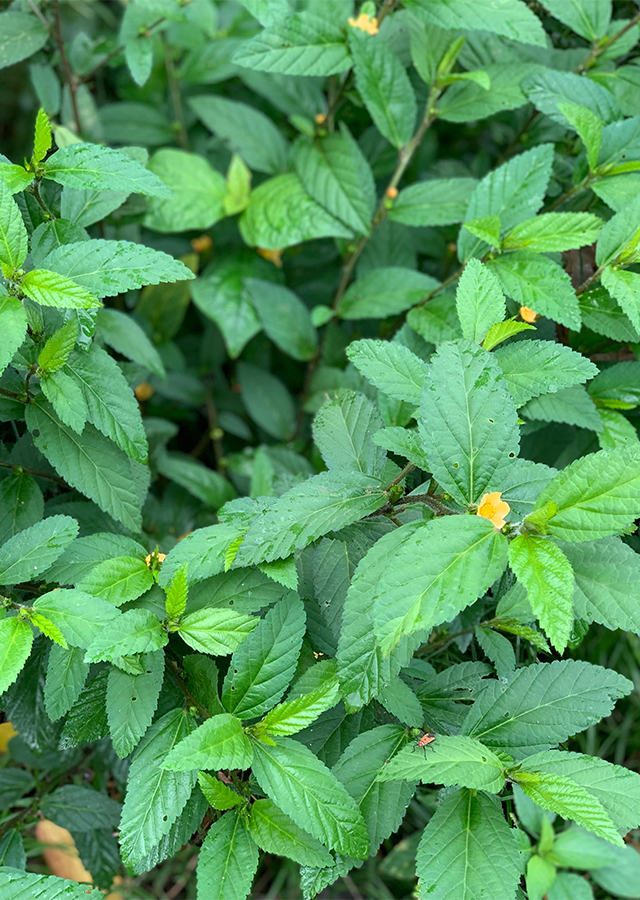
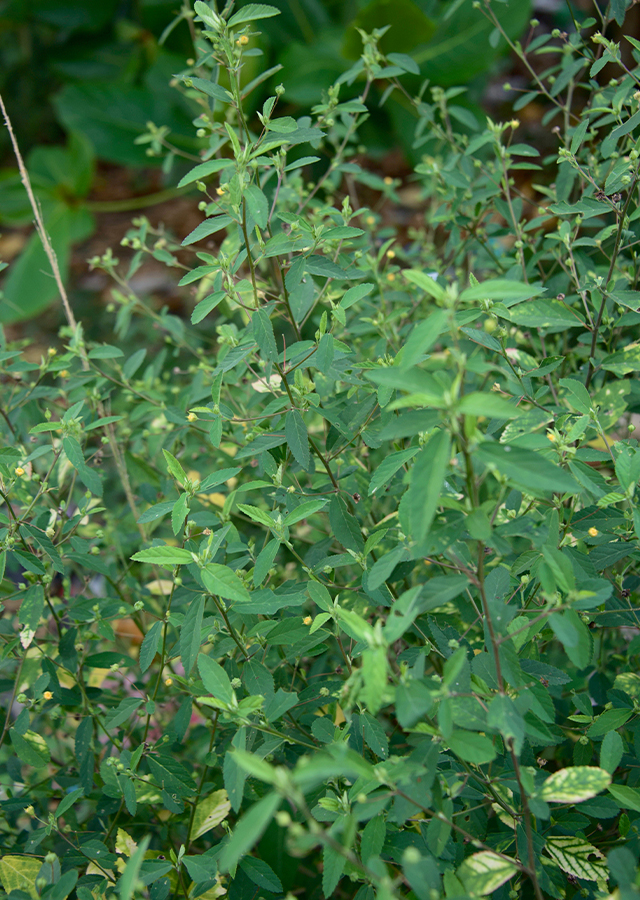
Shrubs. An erect, branched shrub reaching 0.5 to 1.5 m in height.
Part Used
 Leaves
 Flowers
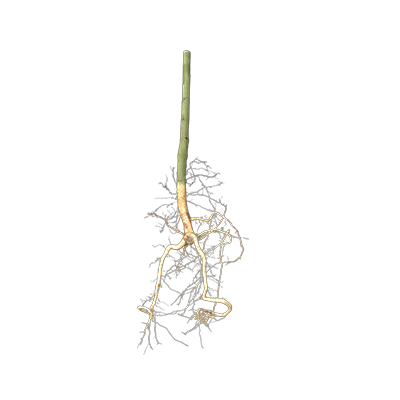
 Roots
Roots The Whole Plant
Growing Requirements
 Full Sunshine
Habitat
 Riverbanks
 Roadside
 Shrublands
 Grassland
Overview
Sida hemp is native to tropical and subtropical Africa, India, and Southeast Asia. The plant is gathered from the wild as a local source of medicines and fiber. In Niger, the Central African Republic, and Cameroon, it is cultivated as a fiber crop for making ropes and nets for hunting and fishing. In some parts of Mexico, leaves are reportedly used to substitute for tea.
Vernacular Names
Sidaguri (Indonesia), Ualis-haba (Tagalog-Philippines), Bai bei huang huo ren (Chinese), Balyé wonzè (French), Kubajute (German), Kingojika (Japanese), Khat mon (Thailand), Ké hoa vàng (Vietnamese), Baryara (Hindi), Petoria-bossie (Afrikaan).
Agroecology
This plant is suitable for light (sandy) and medium (loamy) soils, prefers well-drained soil, and can grow in nutritionally poor soil. Suitable pH: acid, neutral, and basic (alkaline) soils. It cannot grow in the shade but prefers moist soil.
Morphology
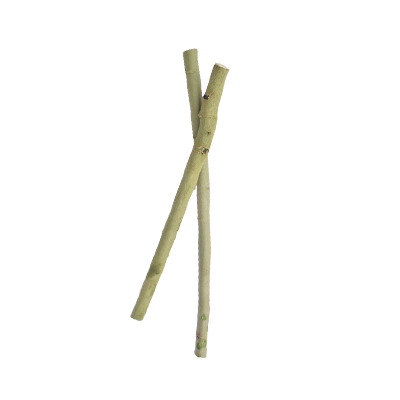
- Stems - erect, rather woody, with tough stringybark, up to 1.20 m height, reddish in colour
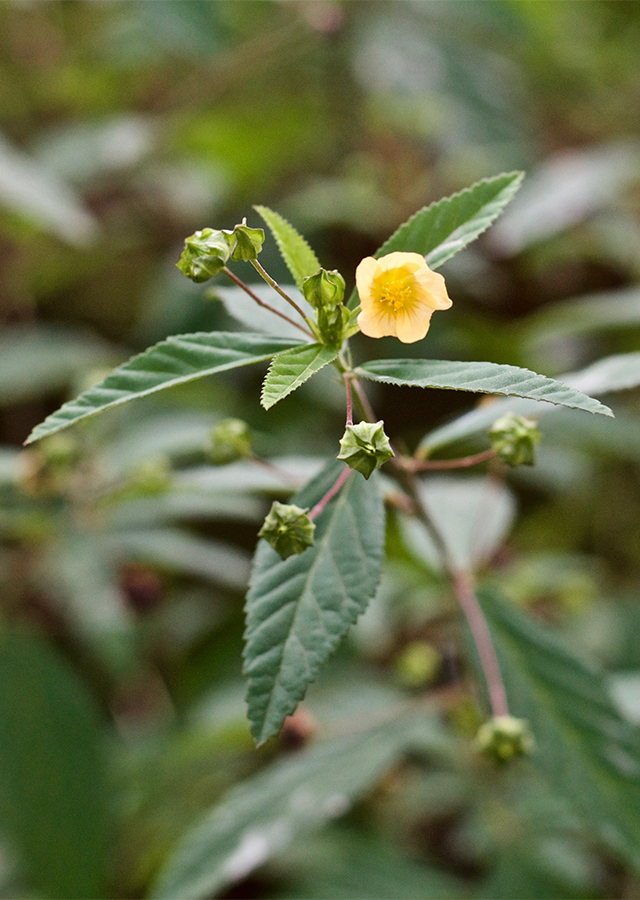
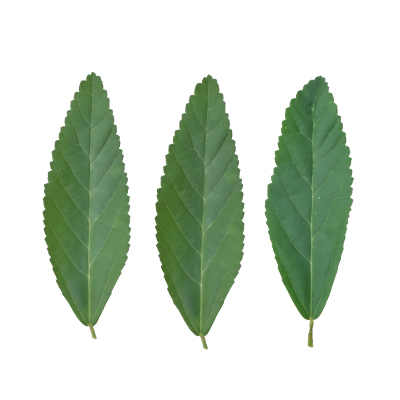
- Leaves - are oblong to rhomboid, 1 to 4 cm long, the apex rounded or pointed, the margins toothed, and the lower surface covered with very short pale hairs.
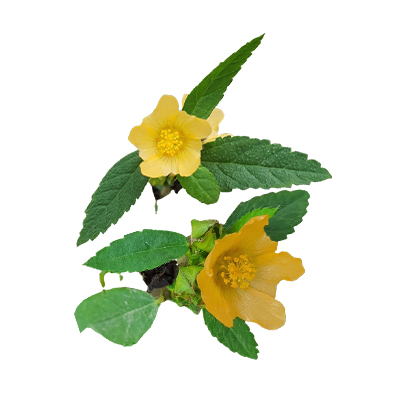
- Flowers - occur singly in the axil of the leaves. The calyx is green. Corolla is yellow, about 1.5 cm in diameter.
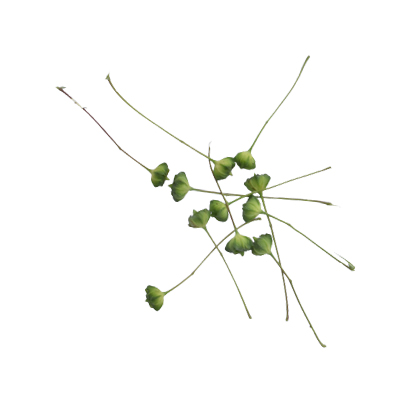
- Fruits - has 8 to 10 carpels which are smooth or somewhat wrinkled, about 2.5 mm long, and awned.
- Seeds - flattened, kidney-shaped, It has 3 mm long and 2 mm in diameter, dark brown to black, glabrous.
Cultivation
It is propagated by seeds.
Chemical Constituents
- Alkaloids, flavonoids, tannins, polyphenols, glycosides, saponins, steroids, terpenoids, and resins.
- Secondary metabolites: sitosterol-3-O-b-D-glucopyranoside, stigmasterol-3-O-b-D-glucopyranoside, phaeophytin A, 173-ethoxypheophorbide A, 132-hydroxy phaeophytin B, 173-ethoxypheophorbide B, 5,7-dihydroxy-4'-methoxyflavone, cryptolepinone and a salt of cryptolepine.
Traditional Medicinal Uses
- The plant is considered anti-rheumatic, antipyretic, analgesic, appetite stimulant, anti-asthmatic, CNS depressant, laxative, demulcent, diuretic, emollient, hypotensive, stomachic, sudorific, tonic, and vasorelaxant.
- Roots are considered febrifuge, cooling, astringent, tonic, hepatoprotective, antibacterial, anti-inflammatory, and antioxidant.
- The leaves and juice, taken by mouth for stomach cramps.
- The plant is used for poulticing ulcers, boils, swellings, broken bones, cuts, herpes, and as an application for chickenpox.
- Pulped leaves are applied externally for stomach aches.
- Pulped leaves with Blumea balsamifera are applied externally for headaches, and to the gums for toothaches.
- Decoction of bitter bark is used for fever.
- Decoction from any plant part is used for irregular menses.
- Decoction of old roots is used to relieve constipation.
- Plant parts with coconut oil are applied externally for itches and scurf.
- In Cuba, the decoction of roots is used for infantile diarrhea.
- In Indonesia, a traditional medicinal plant for the treatment of gout.
- In India, mucilaginous roots are used as demulcent and emollient.
- In the Philippines, a decoction of the roots is used as a gargle for toothaches; internally, as a stomachic.
Part Used
Reference Sources
- Aminah, N.S., Laili, E.R., Rafi, M., Rochman, A., Insanu, M., and Tun, K.N.W. 2021. Secondary metabolite compounds from Sida genus and their bioactivity. Heliyon, 7(4).
- Chaves, O.S., Teles Y.C.F., Monteiro, M.Md.O., Mendes, Junior, L.D.G., Agra, M.D.F., Braga, V.D.A,, Silva, T.M.S., and Souza, M.D.F.Vd. 2017. Alkaloids and Phenolic Compounds from Sida rhombifolia L. (Malvaceae) and Vasorelaxant Activity of Two Indoquinoline Alkaloids. Molecules, 22(1): 94.
- Philiphines Medicinal Plants: Ualis-Haba. http://www.stuartxchange.com/Escobilla.html. (Accessed on 1-12-2021)