
Celery
Apium graveolens L.
Apiaceae
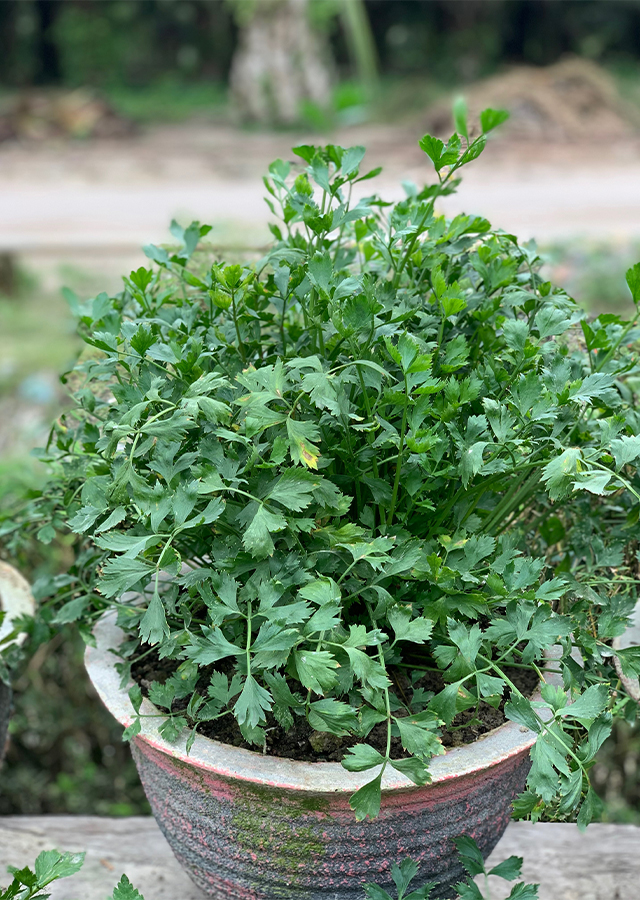
Location in our garden
Green House

Synonym
Apium australe var. latisectum H.Wolff
Apium celleri Gaertn.
Apium decumbens Eckl. & Zeyh.
Habitus

Herbaceous. Annual or short-lived perennial herb, about 100 cm tall.
Part Used
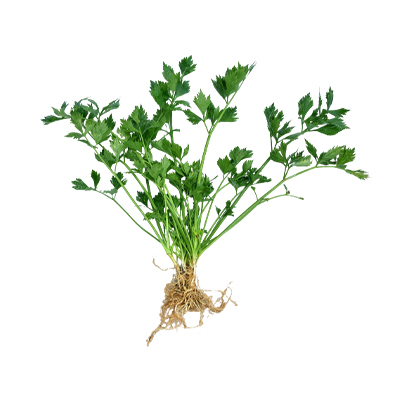
 Leaves
 Seeds
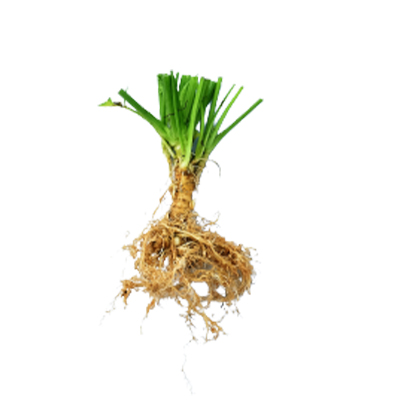
Seeds Roots
Roots Stem
Stem The Whole Plant
Growing Requirements
 Full Sunshine
 Need Shade
Habitat
 Wetland
 Riverbanks
Overview
Celery is probably native to Eurasia, and cultivated worldwide. It occurs wild as a marsh plant throughout temperate Europe and Asia (water celery). It has been cultivated since ancient times, and many cultivars exist, grown for the crisp leaf stalk, the fleshy root (celeriac), or for the seeds.
Vernacular Names
Kinchai (Philippines), Fan qin cai (Chinese), Daun sop (Malay), Céleri (French), S'ii s'aangz (Laos), Sellerie (German).
Agroecology
Celery adapts well in the highlands at 1000-1200 masl but is still tolerant when grown in the lowlands. Celery likes loose soil with a lot of organic matter at pH 5.5-6.5.
Morphology
- Roots - spindle-shaped, branched, and woody.
- Stems - herbaceous, grassy, segmented, branched, erect, pale green in color.
- Leaves - compound, alternate, glossy green.
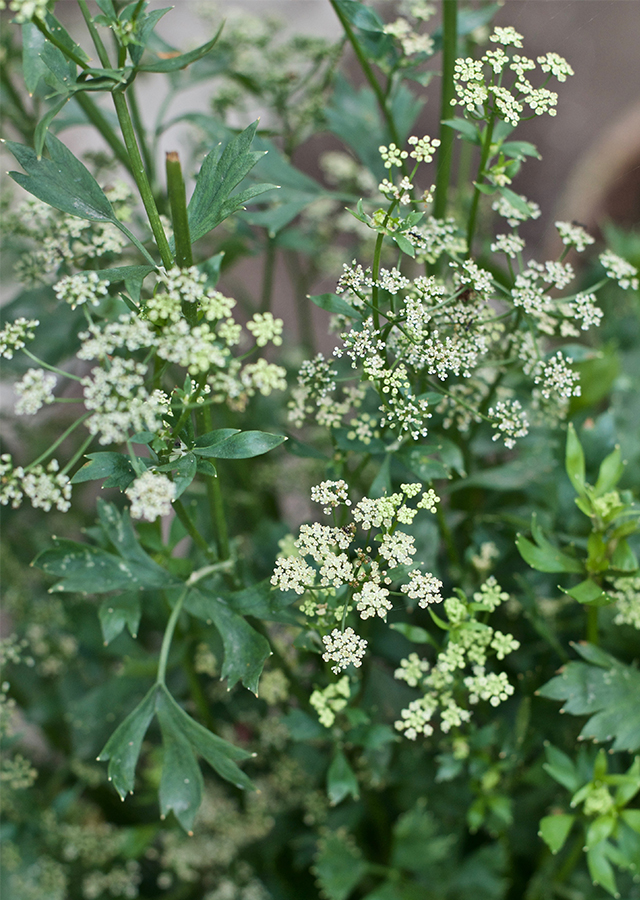
- Flowers - single, symmetrical radial, 5 petals, sepals, or tepals on flowers, greenish-brown, white, and yellow.
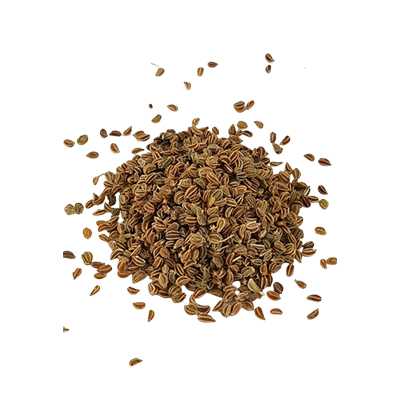
- Seeds - small, dry, and ovid, 1,5-2 mm in diameter and have corky ribs.
Cultivation
Propagated from seed. Celery is slow to germinate, soaking the seed before sowing can reduce germination time. It is ready for harvest 3 – 4 months after planting.
Chemical Constituents
Apigenin, phtalide, apiein, vitamins A and C, β-pinene, camphene, cumene, limonene, α-thuyene, α-pinene, β-phellendrene, p-cymene, ˠ-terpinene, sabinene and terpinolene, apiin, mannitol, potassium, and phytosterols.
Traditional Medicinal Uses
- Carminative, diuretic, tonic and aphrodisiac.
- Anticancer treatment.
- Prevent cardiovascular disease, lowering blood glucose and serum lipid.
- Decrease blood pressure and strengthener the heart.
- This herb has anti-bacterial, anti-fungal, and anti-inflammatory effects.
- Powerful antioxidant property.
- Anti-spasmodic, anti-diabetic, and liver-protective activity.
- Cured hypertension and heart disease, cholesterol, rheumatism, gout, fever, shortness of breath, constipation, menstrual problems, kidney stones, diabetes mellitus, and stroke.
Part Used
Reference Sources
- Arisandi, R. and Sukohar, A. (2016). Seledri (Apium graveolens L) sebagai agen kemopreventif bagi kanker. Majority 5(2): 95-100.
- Kooti, W., Ali-Akbari, S., Asadi-Samani, M., Ghadery, H., and Ashtary-Larky, D. (2014). A review on medicinal plant of Apium graveolens. Advanced Herbal Medicine 1(1): 48-59.
- Nelinda, R. and Wathoni, N. (2018). Tinjauan efek antidiabetes tanaman seledri (Apium graveolens). Farmaka 16(3): 35-43.
- Wakhidah, A. Z. (2021). Review: seledri (Apium graveolens L.): botani, ekologi, fitokimia, bioaktivitas, dan pemanfaatan. Jurnal Pro-Life 8(2): 156-167.