
Chinese croton
Excoecaria cochinchinensis Lour.
Euphorbiaceae
Location in our garden
Principal

Synonym
Exoecaria bicolor (Hassk.) Zoll. ex Hassk.
Exoecaria orientalis Pax & K.Hoffm.
Sapium cochinchinense (Lour.) Kuntze
Habitus

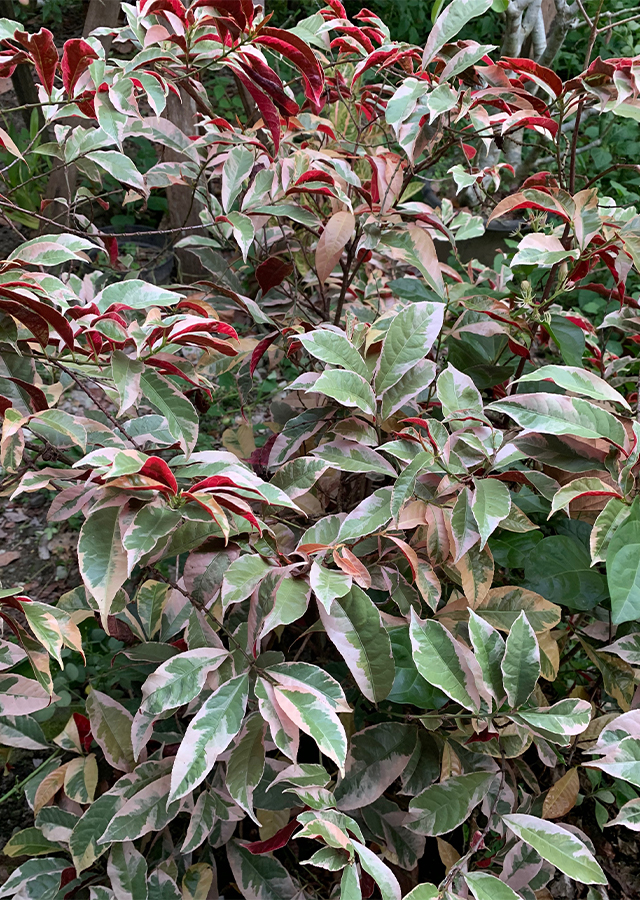
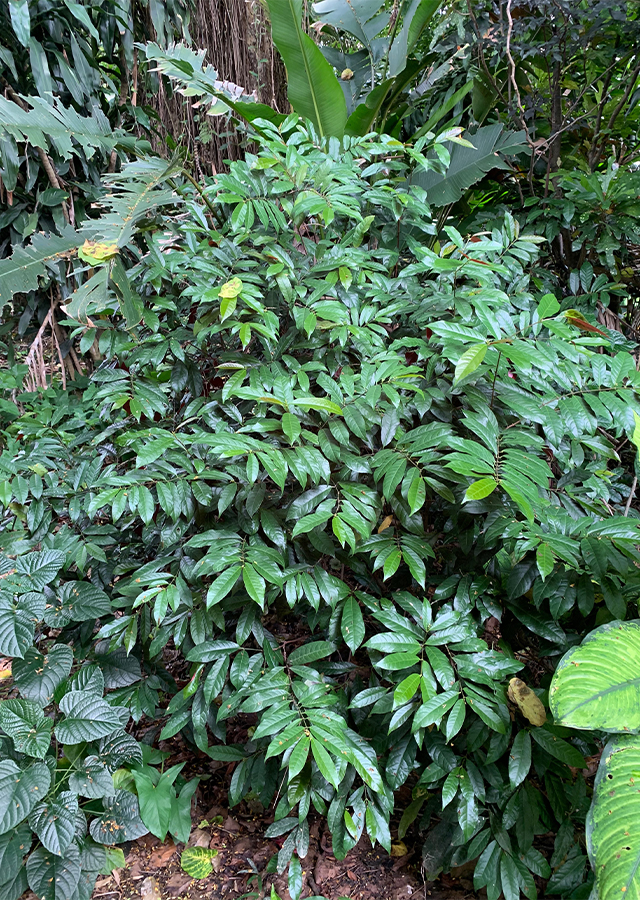
Shrubs. An evergreen shrub, usually growing up to 2 m tall
Part Used
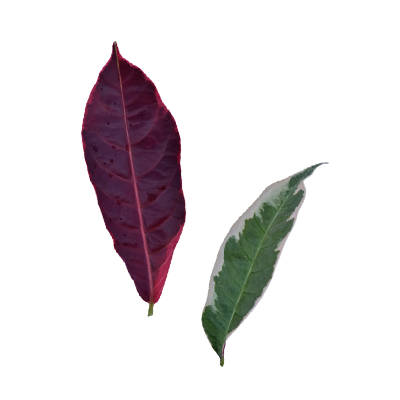
 Leaves
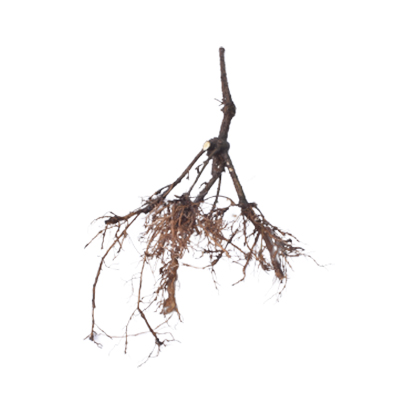
 Roots
Roots Twigs
Twigs The Whole Plant
Growing Requirements
 Full Sunshine
 Need Shade
Habitat
 Forest
 Shrublands
Overview
Native to South-East Asia and Yunnan (China). The plant is often cultivated as an ornamental or used as a medicine. The sap is toxic that can cause allergy and irritation to the skin which makes it common to be used as a fish poison.
Vernacular Names
Blindness Tree (Malay), Buta-buta (Malay), Kamlang krabue (Thai), Cay leiodo (Vietnamese), Ji wei su (Chinese), Tsillay cheddie (India).
Remek daging (Javanese), Sambang darah (Javanese).
Agroecology
An understorey plant in forests and thickets at elevations up to 1,500 m. Plants can succeed in shade or in full sun, requiring a moist, well-drained soil. It grows best in morning sun and afternoon shade. It loves warmth and humid conditions.
Morphology
- Roots - tap root, light brown color.
- Barks - grey, becoming fissured.
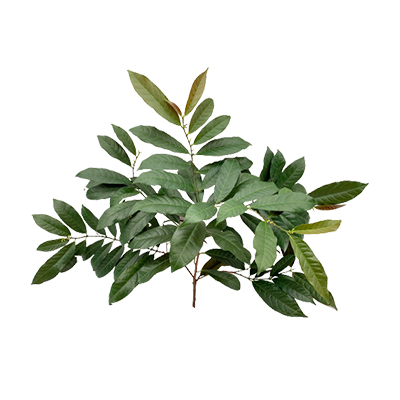
- Leaves - opposite, oblong-ovate, (4-)10-12 cm × 2-4 cm, acuminate, crenulate-serrulate, broadest above the middle, deep purplish-red (or green) beneath.
- Flowers - unisexual or bisexual, male inflorescence up to 3 cm long, slender.
- Fruits - trigonal capsule, 1 cm in diameter.
- Seeds - brownish.
Cultivation
- Generative propagation is by seeds.
- Vegetative propagation is by stem cuttings, and air layering.
Chemical Constituents
- Stems and roots: shikimic acid, 1-cyclohexane-1-carboxylic acid-5-hydroxy-3,4-isopropylidene-dioxy, oxy-bis (5-methylene-2-furaldehyde), beta-sitosterol, tetracosanoic acid, steric acid and hentriacontane.
- Leaves: gallic acid and ellagic acid, kaempferol 7-0-glycoside and kaempferol, diterpenoids.
Traditional Medicinal Uses
- The plant is considered anti-parasitic, antipruritic, haemostatic, antimicrobial, uteretonic.
- All parts of the plant are used as a medicine for the treatment of measles, parotitis, tonsillitis, and lumbar muscle strain.
- A decoction of roasted leaves is a traditional remedy for urticaria and herpes zoster.
- The leaves with a blood red colour underneath are applied topically to arrest bleeding.
- In Indonesia, decoction of leaves is used for dysentery. Juice squeezed out of boiled leaves used for hematemesis. Roots are used for post-partum hemorrhage. Decoction of roots is considered abortifacient, and not recommended during pregnancy.
- In India, decoction of leaves is used for epilepsy.
- In folk medicine, it is used for itching, furuncles, and allergies.
Part Used
Reference Sources
van Valkenburg, J.L.C.H. 2002. Excoecaria cochinchinensis Lour. in:van Valkenburg, J.L.C.H. and Bunyapraphatsara, N (Editors). Plant resources of South-East Asia No.2, Medicinal and Poisionus Plants. Prosea Foundation. Bogor. Indonesia. pp 264-265.