Abuta
Cissampelos pareira L.
Menispermaceae
Location in our garden
Principal
Synonym
Cissampelos acuminata Benth.
Cissampelos argentea Kunth
Cissampelos auriculata Miers
Habitus

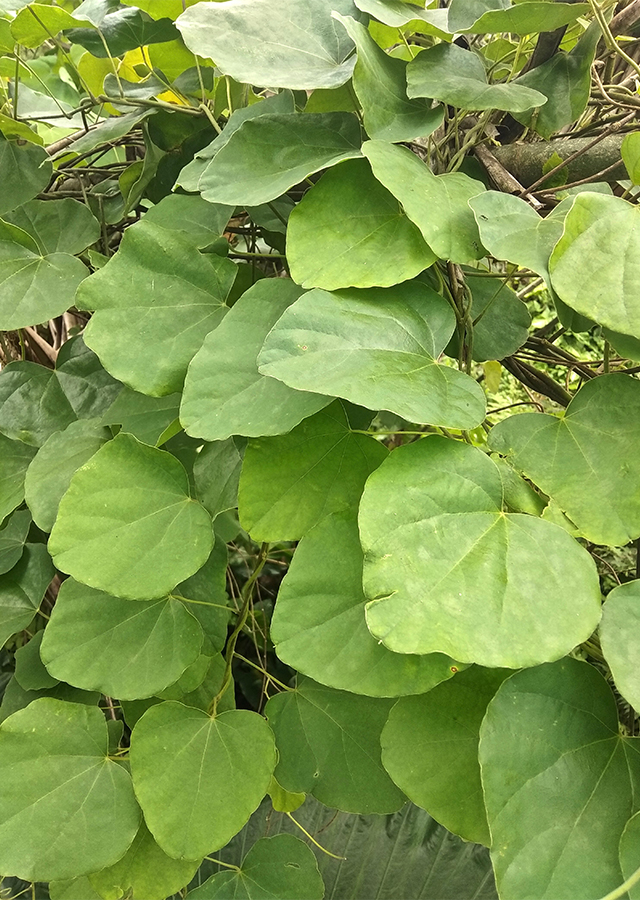
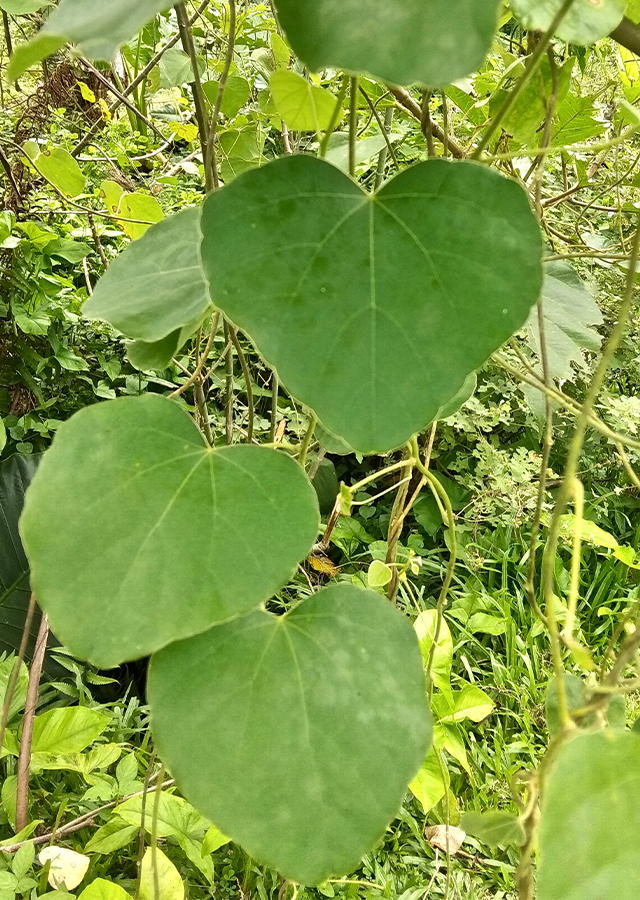
Climbers. A slender, more or less hairy or nearly smooth, woody twiner
Part Used
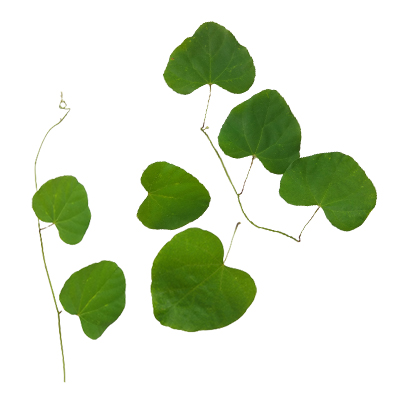
 Leaves
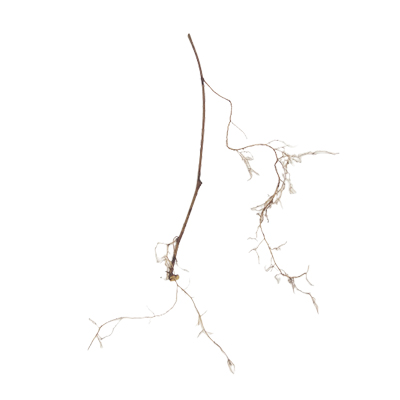
 Roots
Roots Stem
Stem
Growing Requirements
 Full Sunshine
 Need Shade
Habitat
 Forest
 Coastal
 Shrublands
Overview
Abuta was first described from Latin America, but actually occurs throughout the tropics; in some countries it has been introduced for its ornamental value. In Africa it has been recorded from Sierra Leone East to Eastern DR Congo, Rwanda and Tanzania and South to Northern Angola and Zambia. This plant is known as Midwife's herb as mainly used in women aliments.
Vernacular Names
Vernacular names: Sansau (Tagalog-Philippines), Xi sheng teng (Chinese), Feuille de velous (French), Gasing-gasing (Malaysia), Butua (Spanish), Kinukadjio (African).
Agroecology
It occurs in rainforest, coastal evergreen bushland and deciduous bushland, up to 2,300 m altitude. This plant often persists on cleared ground and in plantations, and can also be found in secondary vegetation and near rock outcrops.
Morphology
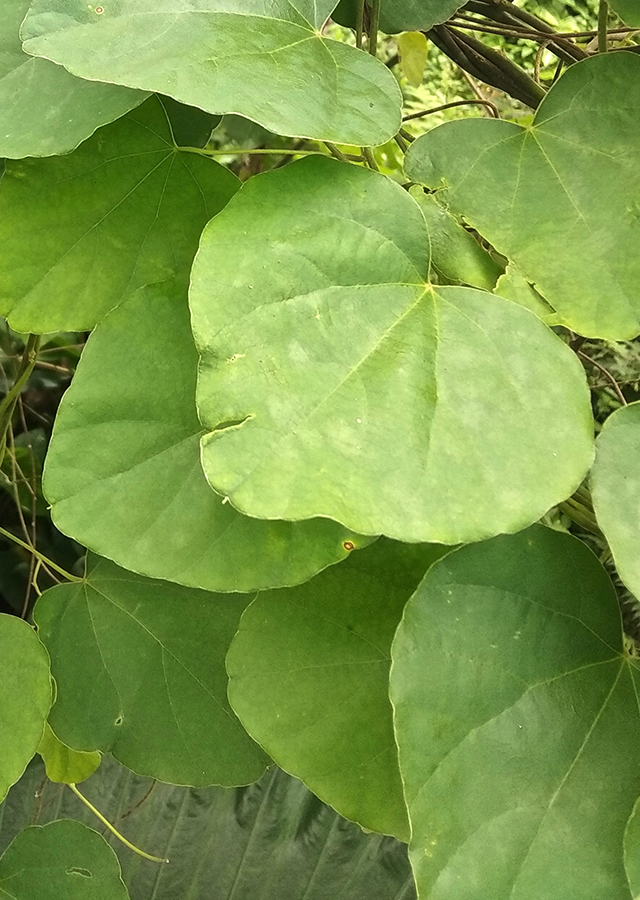
- Leaves - are oval or heart-shaped, 2 to 7 cm long, with a pointed or usually apiculate apex, cordate or subtruncate broad base, usually slightly peltate.
- Inflorescence - an axillary, umbel-like cyme, solitary or clustered
- Flowers - unisexual, pedicel up to 2 mm long.
- Fruits - fleshy, nearly spherical, red, 5 to 7 millimeters in diameter, and somewhat hairy.Seeds - horseshoe-shaped, embryo elongate, narrow, embedded in endosperm, cotyledons flattened.
Cultivation
Propagated by seeds.
Chemical Constituents
Alkaloids, arachidic acid, bebeerine, berberine, bulbocapnine, cissamine, flavonoids, saponins, triterpenoids, gums, pelosin or cissampeline, serperine, mucilage, resins, tannins, terpenoids, amino acid, hayatine.
Traditional Medicinal Uses
- Roots considered diuretic, emmenagogue, emetic, febrifugal, lithotriptic, pectoral and purgative.
- Leaves are considered cooling, stomachic.
- Studies have shown antioxidant, immunomodulatory, antifertility, antidiarrheal, anticancer, chemopreventive, analgesic, anti-inflammatory, anti-ulcer, anti-trypanosomal, hepatoprotective, anthelmintic, antidiabetic, and antiviral properties.
- Pounded leaves is used for snake bites, scorpion stings., abscesses, and wounds.
- Leaves and roots are used for treatment of ulcers, and scabies.
- In India, it is used as stomachic. Tribal people use the plant to prevent pregnancy. The root paste is applied locally in skin disease. Root paste mixed with black pepper (Kali mirch) powder use in treatment of malaria.
- Decoction or extract of the root is used for acute and chronic cystitis.
- In Mexico, infusion of roots is used for nephritic colic and vesicular calculus.
- In Peru, seeds are used for fevers, venereal diseases; as diuretic and expectorant. Leaf tea is used for rheumatism and a wood-bark tea used for irregular heartbeats and excessive menstrual bleeding.