
Sea Mango
Cerbera manghas L.
Apocynaceae
Location in our garden
Orchard
Synonym
Cerbera linnaei Montrouz.
Cerbera tanghin Hook.
Odollamia manghas (L.) Raf.
Habitus

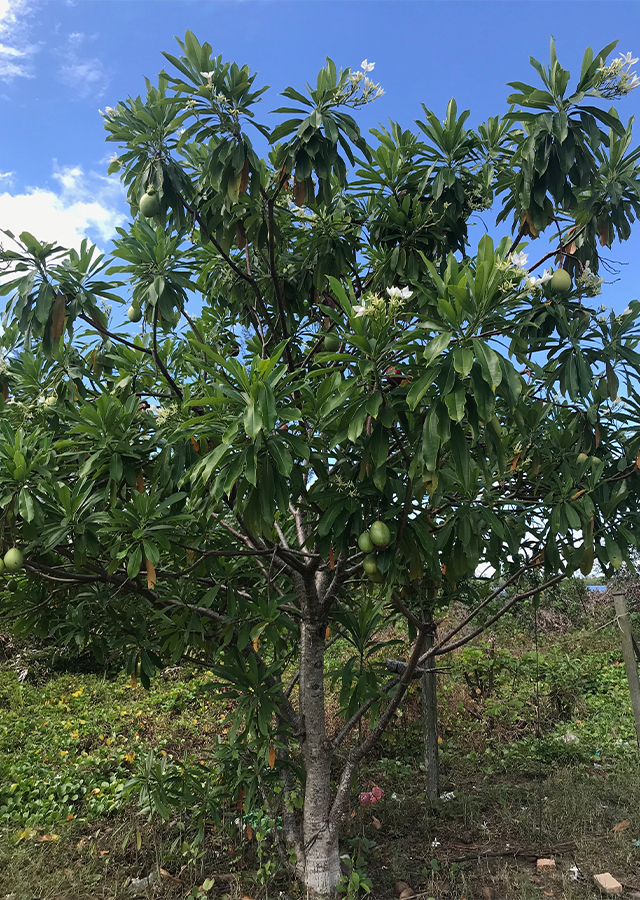
Trees. A perennial shrub to a small or medium-sized tree that can grow up to 25 m tall
Part Used
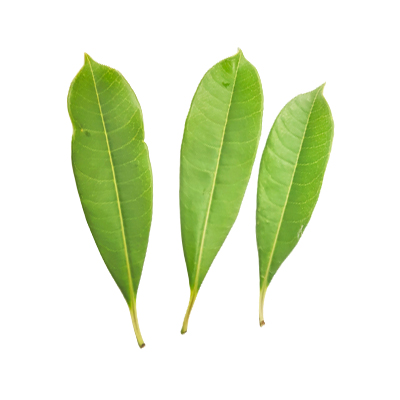
 Leaves
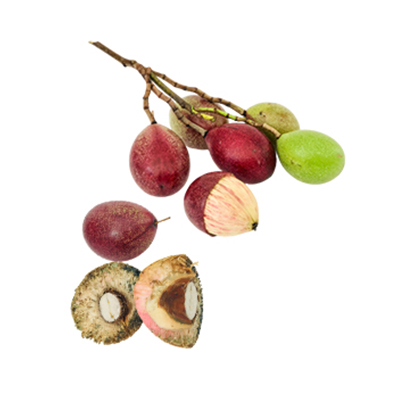
 Seeds
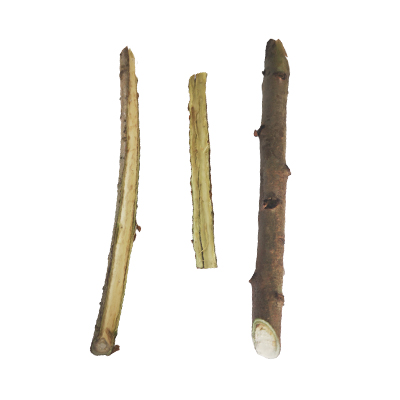
Seeds Bark
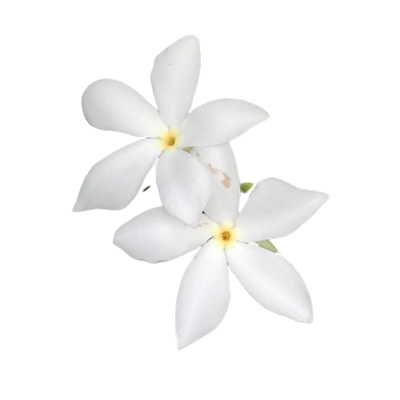
Bark Flowers
 Latex
Latex Roots
Roots
Growing Requirements
 Full Sunshine
Habitat
 Forest
 Coastal
Overview
Sea mango is naturally distributed from the Seychelles in the Indian Ocean eastward to French Polynesia. The plant is used locally as a herbal medicine, being mainly harvested from the wild. A white latex exudes from all plant parts. The medicinal products are sometimes sold in local markets. A very ornamental tree, with beautiful aromatic flowers and interesting fruits that are used in flower displays, it is sometimes grown in gardens.
Vernacular Names
Tanghin (French), Hai mang guo (Chinese), Baraibai (Tagalog-Philippines), Teenpet lek (Thailand), Hải guả tủ huờng (Vietnamese), Kalwa salat (Myanmar), Bintaru (Malaysia), and Bintaro (Indonesia).
Agroecology
A plant of the lowland tropics. Plants should preferably be grown in full light in a fertile, moist but well-drained loam with additional leaf mould. Often growing along the beach in the wild, this species should be resistant to maritime winds.
Morphology
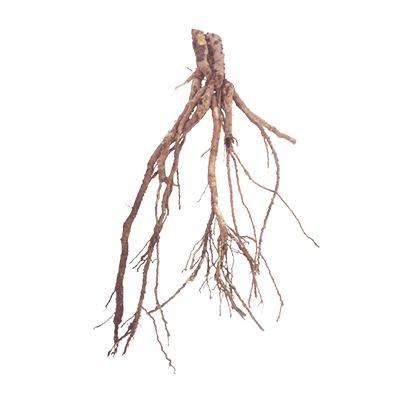
- Roots - taproot, brown in colour.
- Stems - the bole can be up to 70 cm in diameter.
- Leaves - shiny lanceolate to oblong-lanceolate, 13-25 cm long, narrowed and pointed at both ends, furnished with slender nerves, arranged spirally or fan-like.
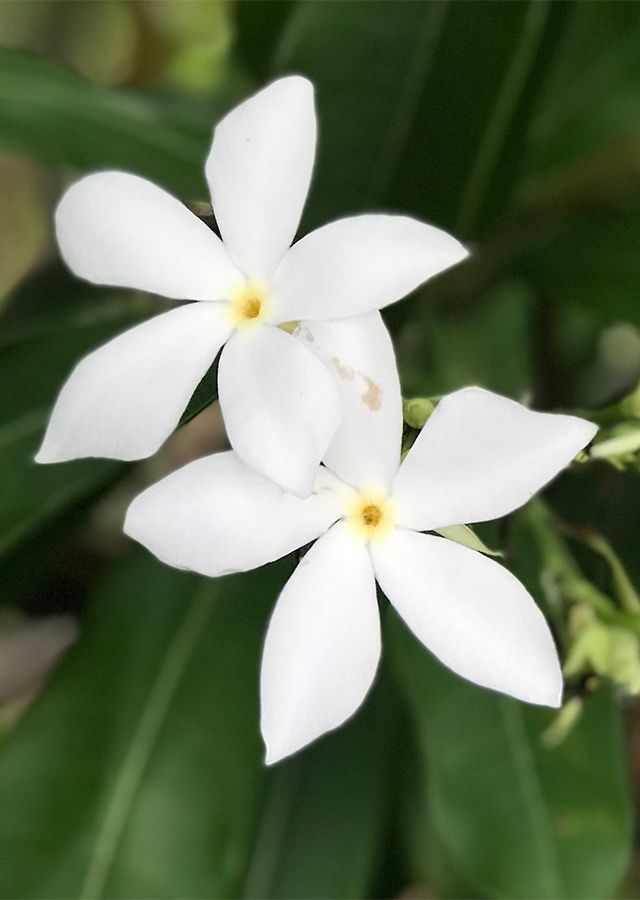
- Flowers - white, fragrant, about 5 cm across, on terminal inflorescences. Calyx tube is short, with spreading, pale-green lanceolate lobes, about 2 cm long. Corolla tube is slender, greenish-white, enlarged above, about 4 cm long, the five-lobed limb white with a purple center, spreading, about 5 cm in diameter.
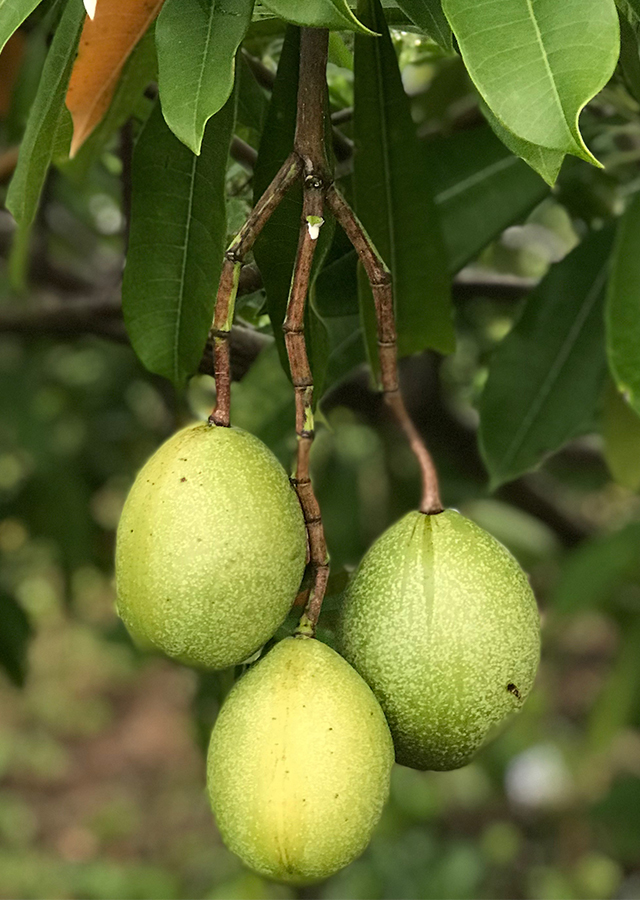
- Fruits - a drupe, smooth, ellipsoid or ovoid, 5- 8 cm long, flattened on one side, red when mature, with a fibrous endocarp, and containing one oily seed.
- Seeds - white.
Cultivation
Propagated by seeds or stem cuttings.
Chemical Constituents
Alkaloids, tannins, steroids, flavonoids, glycosides (known as cerebrin), cardiac glycosides, cardenolide monoglycosides, lignans, and triterpenoids.
Traditional Medicinal Uses
Medicinal Uses
- The bark is used as a laxative and antipyretic, and in the treatment of dysuria and ringworm.
- The flowers are used to treat haemorrhoids.
- The roots, bark, latex, and leaves are sometimes used as an emetic and a purgative. Some of these have shown antiproliferative activity against human colon cancer, breast cancer, lung cancer and epidermoid carcinoma cell lines, as well as anti-oestrogenic activity.
Traditional Uses
- The seeds are used to treat cardiac disorders.
- Red fresh fruit is rubbed on legs for rheumatism.
- Latex is rubifacient on the skin.
- A decoction of the inner bark is drunk with cold water as an abortifacient.
- Fruit kernel is also used as abortifacient. Oil rubbed on skin to cure itches.
- In Java, along with heating oils, rubbed on skin as rubifacient to cure colds.
- Externally, the seeds are used to treat scabies and itch, and as hair tonic.
Part Used
Reference Sources
- Fern, K. (2014). Useful tropical Plants. Cerbera manghas. http://tropical.theferns.info/viewtropical.php?id=Cerbera+manghas. 27-09-2020.
- Khanh, T.C. (2016). Cerbera manghas (PROSEA). https://uses.plantnet-project.org/en/Cerbera_manghas_(PROSEA). 27-09-2020.
- StuartXchange. (2016). Philippine Medicinal Plants. Baraibai-Cerbera manghas Linn., SEA MANGO. http://www.stuartxchange.org/Baraibai.html. 27-09-2020.