
Cardwell Lily
Proiphys amboinensis (L.) Herb.
Amaryllidaceae
Location in our garden
Green House
Synonym
Amaryllis rotundifolia Lam.
Cearia amboinensis (L.) Dumort.
Cepa amboinensis (L.) Kuntze
Habitus

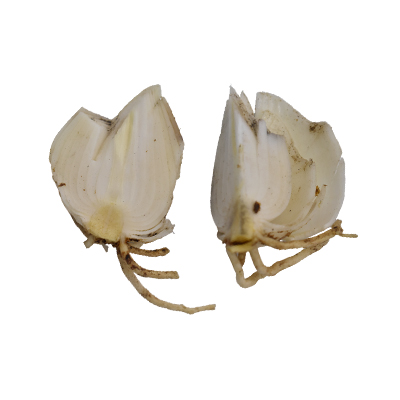
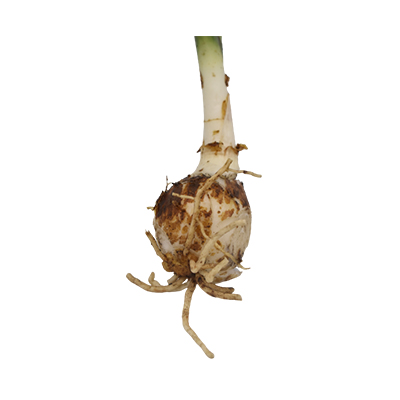
Herbaceous. A herb with bulbs, 5 to 10 cm in diameter
Part Used
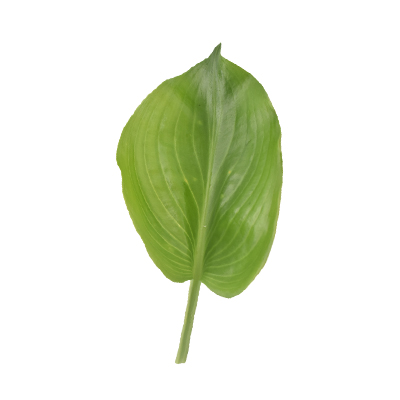
 Leaves
 Stem
Stem
Growing Requirements
 Need Shade
Habitat
 Forest
Overview
Cardwel lily is native to Thailand, Indonesia, the Philippines, Queensland and Western Australia. It is a widespread species from Thailand to northern Australia. This plants are known to usually flower around Christmas time (November to December) in the wild, hence the common name, Northern Christmas Lily.
Vernacular Names
Tambal (Tagalog-Philippines), Hojas de potro (Spanish), Sapenoh (Malay), Lile pilisipeni (Tongan)
Agroecology
Requires consistently moist soil. This species occurs naturally in colonies in light shaded areas of the rainforest or in open forest bordering rainforest regions and coastal areas. It is most suitably grown in full sun but it will even grow and bloom in half shade too. Also needs a slightly acid deep, rich soil comprising equal parts of well decomposed compost, and river or silica sand (or pumice).
Morphology
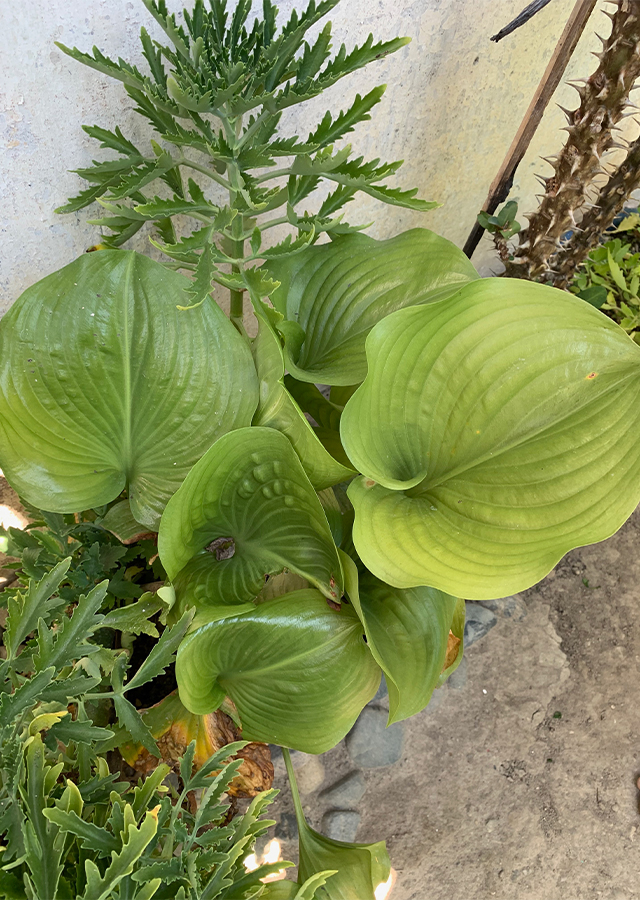
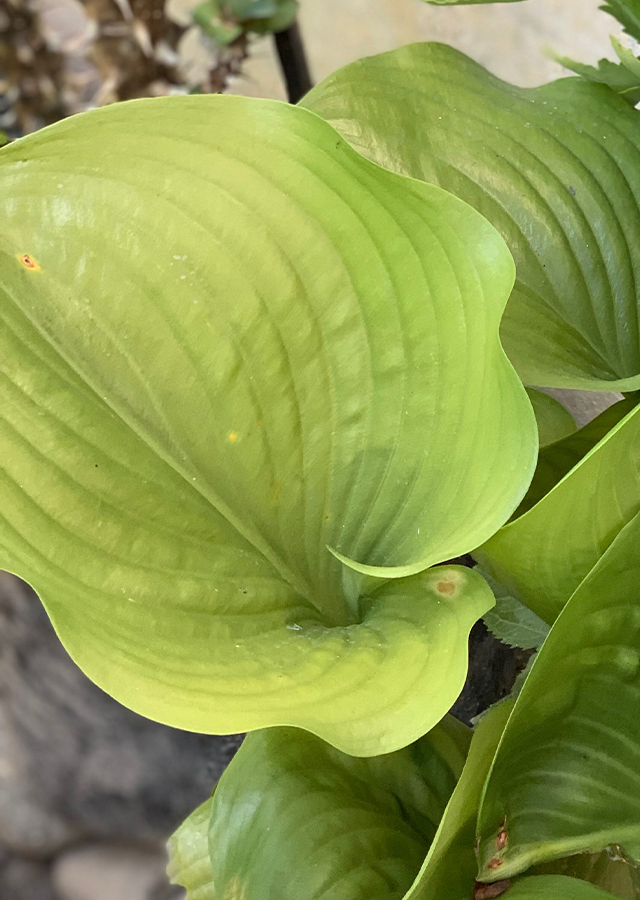
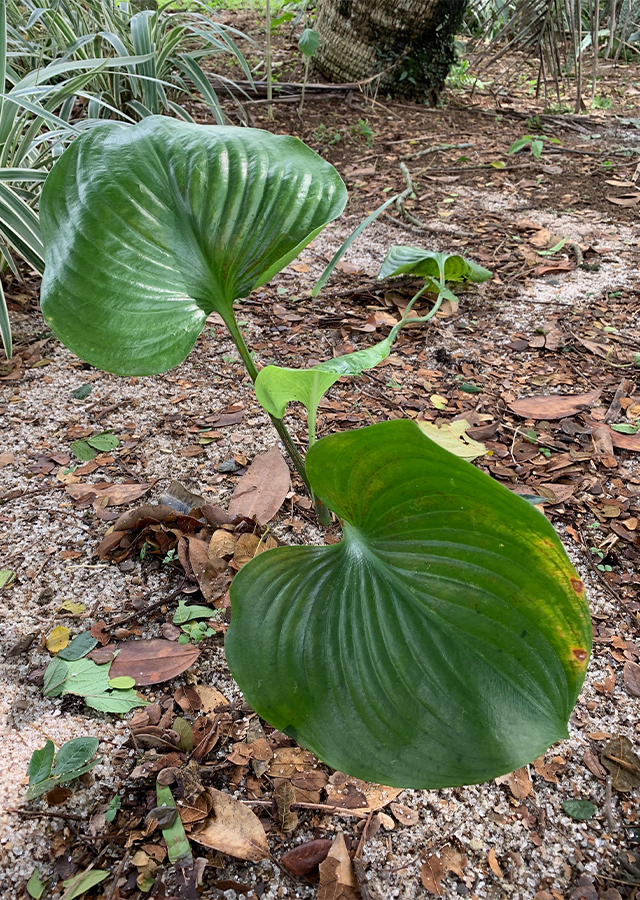
- Leaf blade - somewhat rounded or broadly ovate, up to 25 cm long and wide, with broadly cordate base, and shortly and abruptly acuminate tip. Petiole is longer than the blade, and dilated at the base.
- Peduncle - about as long as the leaves, bearing from 15 to 30 flowers in a dense umbel.
- Flowers - white, waxy, and scented. Staminal corona is six-partite. Perianth is about 5 cm long, the segments as long as the tube.
- Fruits - a globose berry.
Cultivation
It can be propagated from seeds or by division of bulbs.
Chemical Constituents
Alkaloid, flavonoid, steroid, eugenol, lycorine, aliphatic hydrocarbons, carboxylic acids.
Traditional Medicinal Uses
- Studies have shown antibacterial properties.
- This plant is emetic
- Small doses of raw bulbs ingested to induced vomiting.
- Leaves are used externally as anti-rheumatic topical.
- Subanens in Zamboanga del Sur apply poultice of leaves and roots on inflammation.
- In the Bicol area, fire-warmed lightly-oiled young leaves are applied to abdomen for stomach aches, to the forehead for headaches, and to the chest for colds and chest congestion. Also applied over sprains and fractures.
- Bulb chewed to relived oppression and giddiness resulting from eating poisonous fish or crustaceans.
- In Indonesia, plant is used for the treatment of small pox: A plaster or compress was made from leaves and placed on wounds to draw pus.
- Leaves are chewed to cure swellings and to obtain relief from pains, rheumatism and aches.
Part Used
Reference Sources
- StuartXchange. (2015). Philippine Medicinal Plants. Tambal. http://www.stuartxchange.org/Tambal.html 21-02-2021.
- Llifle. (No date). Proiphys amboinensis (L.) Herb.. http://www.llifle.com/Encyclopedia/BULBS/Family/Amaryllidaceae/31848/Proiphys_amboinensis 21-02-2021.
- John&Jacq~s Garden. (2013). How to propagate Proiphys amboinensis (Cardwell Lily) by division. https://www.jaycjayc.com/propagate-divide-proiphys-amboinensis-lily/#.YDKBrugzbIU 21-02-2021.