
Budha's Hand's Lemon
Citrus medica L.
Rutaceae
Location in our garden
Orchard
Synonym
Citrus acida Pers.
Citrus alata (Yu.Tanaka) Yu.Tanaka
Citrus sarcodactylis Hoola van Nooten
Habitus

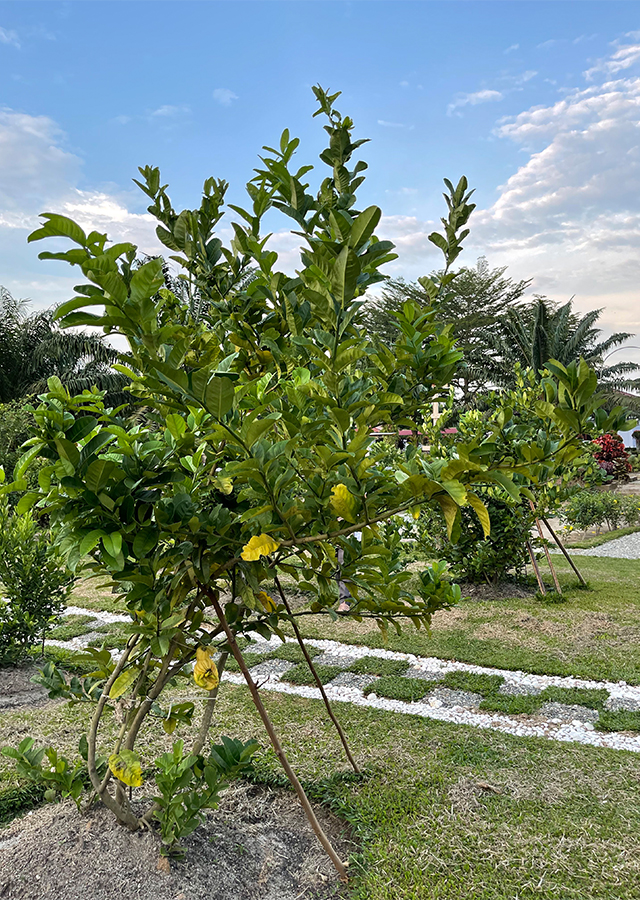
Shrubs. A straggly, evergreen shrub or small tree, growing up to 4 m tall
Part Used
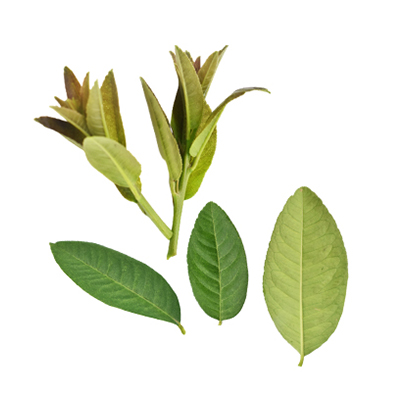
 Leaves
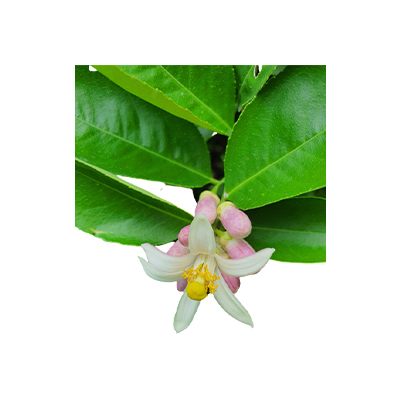
 Flowers
 Roots
Roots Stem
Stem
Growing Requirements
 Full Sunshine
Habitat
 Terrestrial
Overview
This plant is native to sub-himalayan region (Northern India, Assam, Bangladesh, Nepal, Myanmar). It was introduced into the western world through Persia and into eastern as China and into many tropical regions. The fruit is edible but commonly used as a flavouring since it is too sour. It is also one of four important species in the Jewish Feast of the Tabernacles.
Vernacular Names
Jeruk Sukade (Indonesia), Jerpaya (Indonesia), Limau susu (Malay), Manao-khwai (Thai), Thanh yên (Vietnamese), Bulid (Philippines), Shouk-ta-kwah (Burmanese), Muli (Papua New Guinea).
Agroecology
This plant is best culivated in area with altitude less than 1300 m in the tropics. A stable fair daily temperature is prefered at range 15-27°C. It grows well in a deep soil with good drainage and loamy structure, under full sun and protected from strong winds.
Morphology
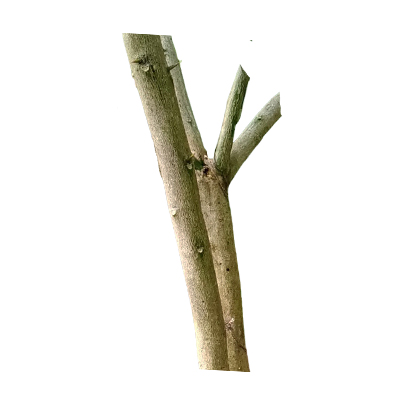
- Stems - light grey bark, soft wood, twigs angular and purplish when young, turning terete, glabrous, with single axillary spines.
- Leaves - glabrous, elliptic-ovate to ovate-lanceolate, 5-20 cm × 3-9 cm, cuneate or rounded at base, margins serrate, apex bluntly pointed or rounded; petiole short.
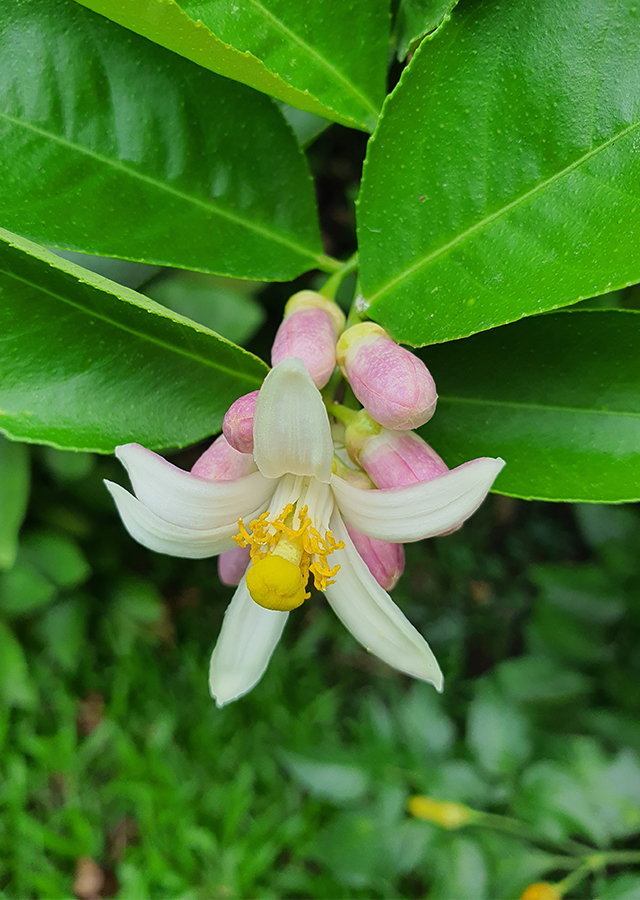
- Flowers - large, pinkish; flowers perfect or staminate, in axillary few-flowered racemes, 3-4 cm in diameter; stamen numerous, 30-60; petals 5, pinkish externally; ovary cylindrical with 10-13-locules, style thick.
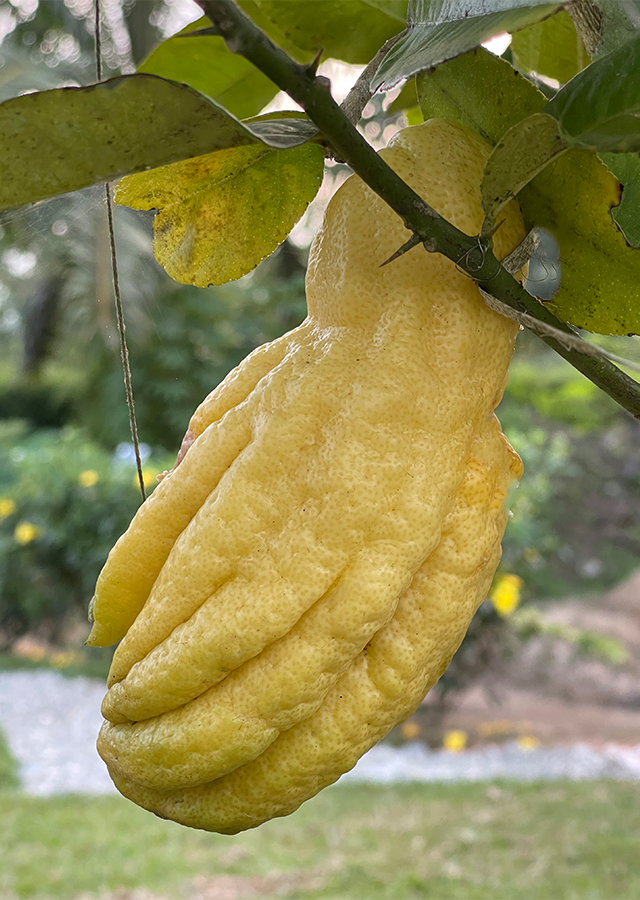
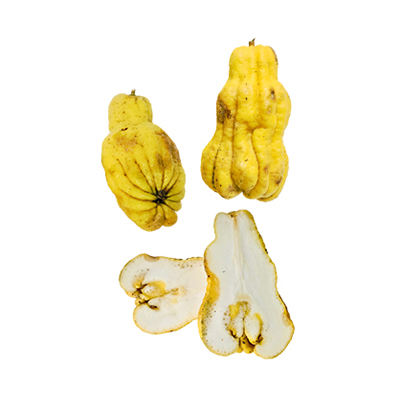
- Fruits - oblong or oval, smooth surface, 10-20 cm long, slightly to considerably rough-tuberculate; peel very thick, yellow, fragrant; segments small, filled with pale green pulp-vesicles.
- Seeds - numerous, ovoid, about 1 cm × 0.5 cm, acute, monoembryonic.
Cultivation
Propagation
- By seeds - germination usually takes place within 2 - 3 weeks. The seed is monoembrionic.
- By cuttings - ussually propagated by leafy cuttings taken from 2-4 year-old branches
- By layering
Husbandry
- water sprout in branches should be terminated
- braches should be pruned regularly to compact the tree size and maintenance the fruits production
- at average, the mature tree could produce 40 kg fruits per year
Chemical Constituents
Flavonoids (neoeriocitrin, naringin, neohesperidin, apigenin di-C-glucoside, diosmetin di-C-glucoside, rhoifolin, chrysoeriol 7-O-neohesperidoside), Essential oils (α-terpineol, limonene, citral, geranyl acetate, neryl acetate, linalool,geraniol, citronell, stigmasterol, β-sitosterol, herperedin oil), kalak acid, umbelliferone, citruxyn, scopoletin, citrylidene malonic acid, syringin, coumaric acid, carotenoids.
Traditional Medicinal Uses
Medicinal Uses
- The stem is used as antipyretic.
- The fruit is used to relieve malaria, coughs and colds.
- The fruit has numerous nutraceutical benefits, proven by pharmacological studies; for example, anti-catarrhal, capillary protector, anti-hypertensive, diuretic, antibacterial, antifungal, anthelmintic, antimicrobial, analgesic, strong antioxidant, anticancerous, antidiabetic, estrogenic, antiulcer, cardioprotective, and antihyperglycemic.
Traditional Uses
- Most parts of citron (shoots, leaves, flowers, fruits and seeds) are used for the treatment of asthma, arthritis, headache, stomach-ache, intestinal parasites and certain psychological disturbances.
- Decoctions of the roots are used to relieve respiratory problems and backache.
Part Used
Reference Sources
- Chhikara N., Kour R., Jaglan S., Gupta P., Gat Y., Panghal A. (2018) Citrus medica: nutritional, phytochemical composition and health benefits - a review. Food & Function 9 (4): 1978-1992.
- Fern, Ken. (2019) Useful Tropical Plants. Citrus medica. http://tropical.theferns.info/viewtropical.phpid=Citrus+medica 25-03-2021
- Jones, D.T. (1992) Citrus medica. In E.W.M. Verheij ad R.E. Coronel (Eds), PROSEA No. 2 Edible Fruits and Nuts: 131-133.
- Menichini F., Tundis R., Bonesi M., de Cindio B., Loizzoa M.R., Conforti F., Statti G.A., Menabeni R., Bettini R. and Menichini F. (2011). Chemical composition and bioactivity of Citrus medica L. cv. Diamante essential oil obtained by hydrodistillation, cold-pressing and supercritical carbon dioxide extraction. Natural Product Research 25 (8): 789-799.
- Swingle, W.T. (1943) The history, botany and breeding. Vol.1. of Webber H.J. & Batchelor L.D. The Citrus Industry, 3 Volume. University of Callifornia Press.