
Butterfly Tree
Bauhinia purpurea L.
Fabaceae
Location in our garden
Green House
Synonym
Bauhinia castrata Blanco
Bauhinia coromandeliana DC.
Bauhinia kurzii Prain
Habitus

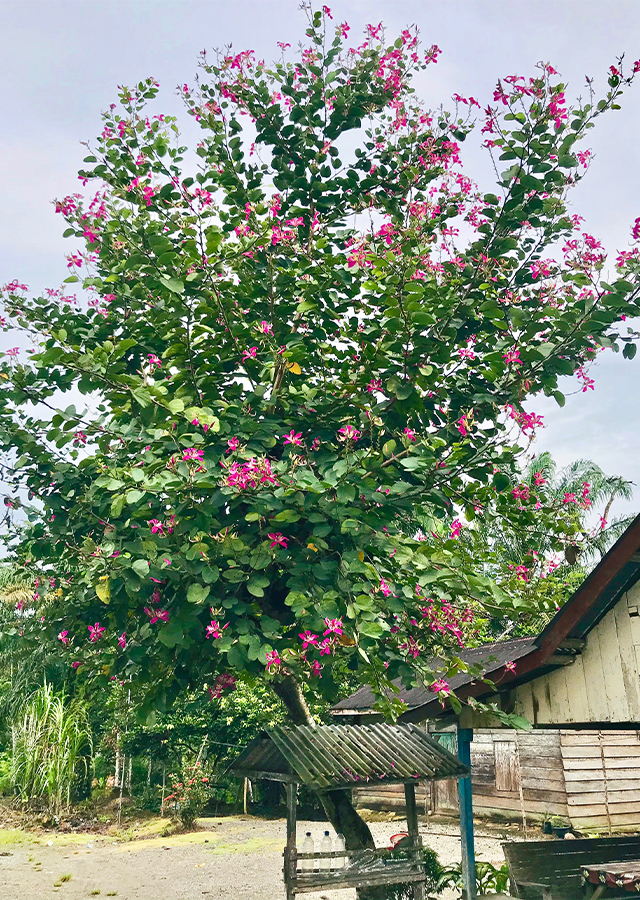
Trees. An erect, evergreen shrub or tree with a very bushy crown; it can grow 7- 0 m tall
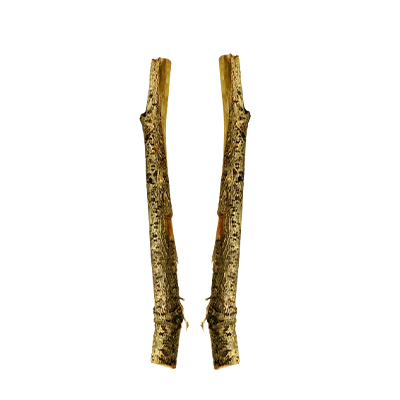
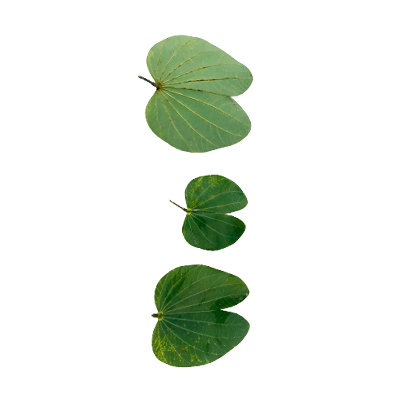
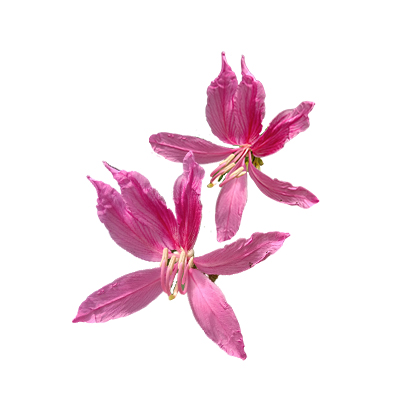
Part Used
 Leaves
 Seeds
Seeds Bark
Bark Flowers
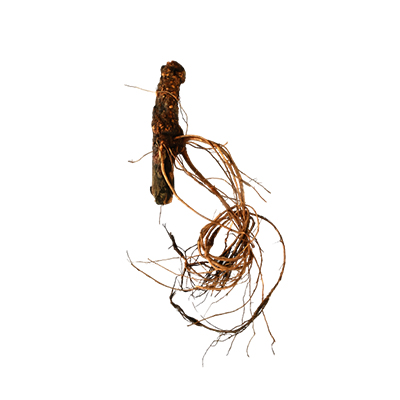
 Roots
Roots Stem
Stem
Growing Requirements
 Full Sunshine
Habitat
 Forest
 Mountains
 Roadside
 Shrublands
 Grassland
Overview
The plant is native to India and now are found throughout subtropical India, North and South America, Nepal, Australia, Africa and the United Kingdom. The tree has a wide range of local uses, providing food, medicines and a range of commodities. It should also make an excellent pioneer species and is commonly cultivated as an ornamental.
Vernacular Names
Tapak kuda (Malay), Sieowaan (Thai), Móng bò tím. (Vietnamese), Alibangbang (Philippines), Zi yang ti jia (Chinese), Raktakanchan (Hindi), Palo de orquideas (Spanish), Bauhinia à fleurs pourpres (French), Pie de cabra (Portugese).
Agroecology
A plant of subtropical to tropical regions where it can usually be found at elevations from 500-2,000 m, exceptionally to 3,000 m. The mean annual temperature in its natural habitat ranges from 12-21 °C with a mean annual rainfall in the range of 1,000-5,000 mm. Grows best in a sunny position. Prefers a fertile, moisture-retentive but well-drained, sandy, loamy or gravelly soil.
Morphology
- Stems - young branches glabrescent.
- Leaves - suborbicular, up to 12 cm × 12 cm, bifid up to 1/3-1/2, base rounded to cordate, apex of lobes rounded to acute, 9-13-veined, stipules minute, 1-2 mm long.
- Inflorescence - 6-10-flowered raceme.
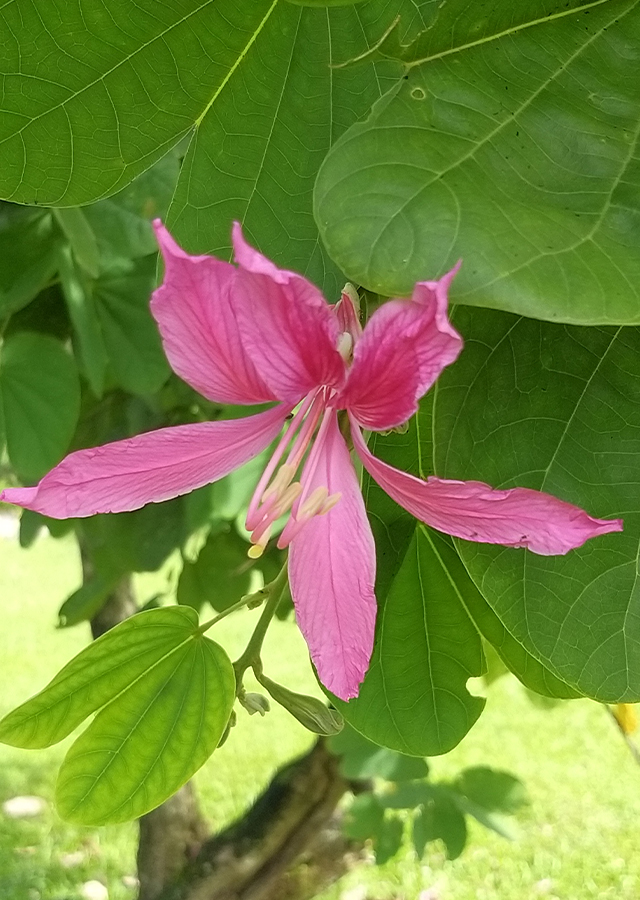
- Flowers - club-shaped, velvety, 3-4 cm long, hypanthium turbinate, calyx splitting spathaceous, petals narrowly lanceolate, 3-5 cm long, claws 0.5-1 cm long, pink to dark purple, fertile stamens 3, staminodes 5-6.
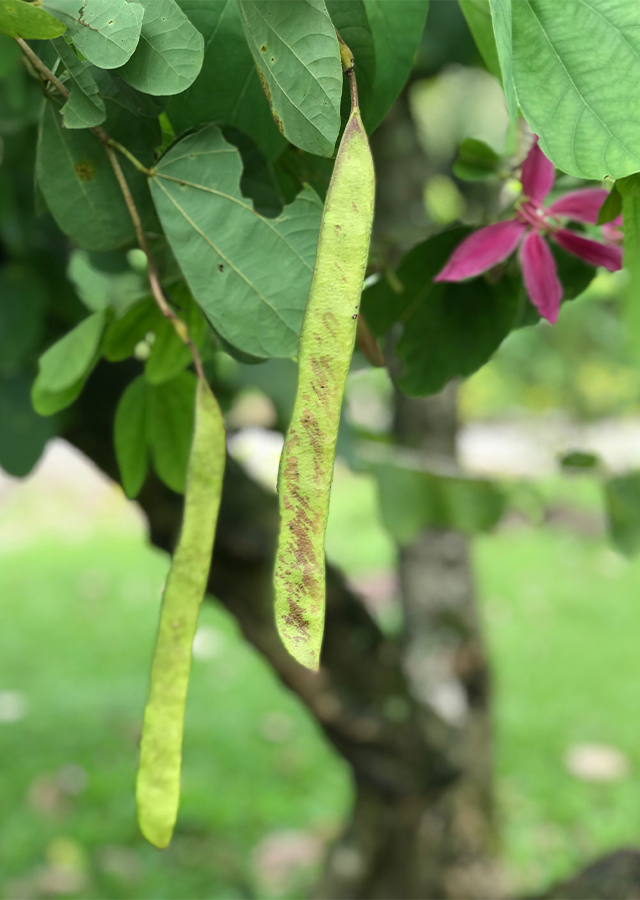
- Fruits - strap-shaped, not septate, 20-25 cm × 1.5-2.5 cm, c. 10-seeded, glabrous, dehiscent.
- Seeds - orbicular, up to 15 mm in diameter.
Cultivation
- By seeds - sow in a nursery seedbed in light shade. Germination is very rapid, with seedlings appearing within 4-10 days.
- By cuttings of half riped wood and layering.
Chemical Constituents
Flowers: astragalin, isoquercetin, quercetin, pelargonidin. Leaves: alkaloids, tannins, polyphenolat, steroids, quinone, saponins and flavonoids. Stems : tanic acid.
Traditional Medicinal Uses
Medicinal Uses
- Studies have shown antioxidant, anti-hyperlipidemic, antiproliferative, wound healing, antiulcer, hepatoprotective, nephroprotective, anti-obesity, anti-epileptic, antidepressant, anti-arthritic, anticancer, phytoremediative, analgesic, anti-inflammatory, antibacterial, antifungal, anticonvulsant, phytoremediative, thrombolytic, antiarthritic, antidiarrheal properties.
- Flowers are considered laxative, anthelmintic, the root is carminative and the stem is considered astringent.
Traditional Uses
- Bark decoction is used for washing ulcers.
- A mixture of bark, root, and flowers in rice water are used as maturant for boils and abscesses.
- In Pakistan, leaves, stems, and root are used to treat infections, pain, diabetes, jaundice, leprosy and cough.
- In India, bark powder is used to decrease debility: dried root bark powder is mixed with half-teaspoon of Syzygium aromaticum and half-teaspoon powder of Elettaria cardamomum.
Part Used

Reference Sources
- Fern, Ken. (2014). Useful Tropical Plants. Bauhinia purpurea. http://tropical.theferns.info/viewtropical.php?id=Bauhinia+purpurea. 22-02-2021.
- J.W.A. Ridder-Numan (2020). Pl@nt Use. Bauhinia purpurea (PROSEA). https://uses.plantnet-project.org/en/Bauhinia_purpurea_(PROSEA). 22-02-2021.
- StuartXchange. (2011). Philippine Medicinal Plants. Bauhinia purpurea. http://www.stuartxchange.com/ButterflyTree.html. 22-02-2021.