Grape
Vitis vinifera L.
Vitaceae
Location in our garden
Orchard


Synonym
Cissus vinifera (L.) Kuntze
Maerklinia viridis Bronner
Noachia macrophylla Bronner
Habitus

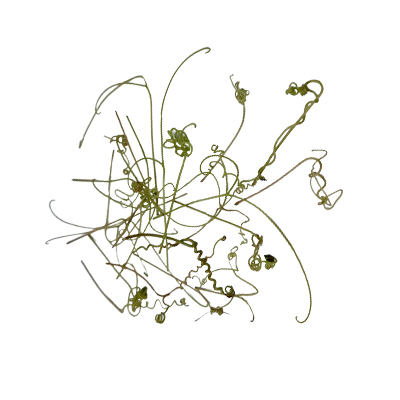
Climbers. A vigorous deciduous climbing shrub producing woody stems that can be 15- 20 m long
Part Used
 Leaves
 Seeds
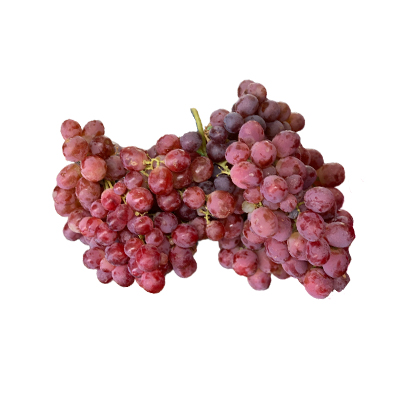
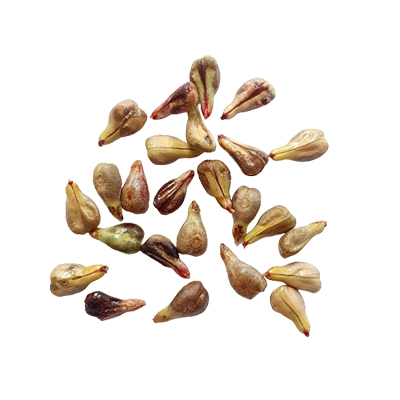
Seeds Fruit
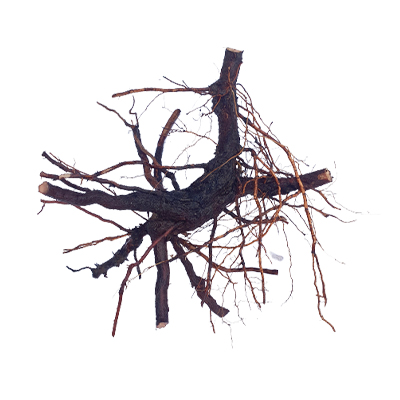
Fruit Roots
Roots Sap
Sap
Growing Requirements
 Full Sunshine
 Need Shade
Habitat
 Riverbanks
 Forest
Overview
This species is probably native to southwestern Asia (Caspian and Caucasus regions) and adjacent Europe. It spread over time throughout most of Europe. It was transported around the world by European explorers from the Age of Discovery onward. A widely grown and very popular fruit throughout the world, the plant also has a range of other edible and medicinal uses as well as supplying dyes, oil, cream of tartar and wood. This species has many named cultivars, selected for fruiting, or for ornamental qualities as the leaves are variable in size, shape and colour
Vernacular Names
Angur (Hindi), Draksha (Sanskrit), Grapevine (Celtic), ‘Inab (Iraq), Khamr (Arabic), Vitis sativa (Latin), Weinrebe (German), Vigne / Raisin (French).
Agroecology
Grapes are natives of temperate to subtropical areas, but cultivars have been developed that can be grown at higher elevations in the tropics, generally between 300-2,000 m. The plant grows best in areas where annual daytime temperatures are within the range 18-30 °C. When dormant, the plant can survive temperatures down to about -20 °C, but young growth can be severely damaged at -3 °C. It prefers a mean annual rainfall in the range 700- 850 mm. Succeeds in sun or partial shade though a warm sunny sheltered position is required for the fruit to ripen. Prefers a deep rich moist well-drained moderately fertile loam, with a pH in the range 5.5-7.5, tolerating 4.5-8.5.
Morphology
- Barks - flaky bark.
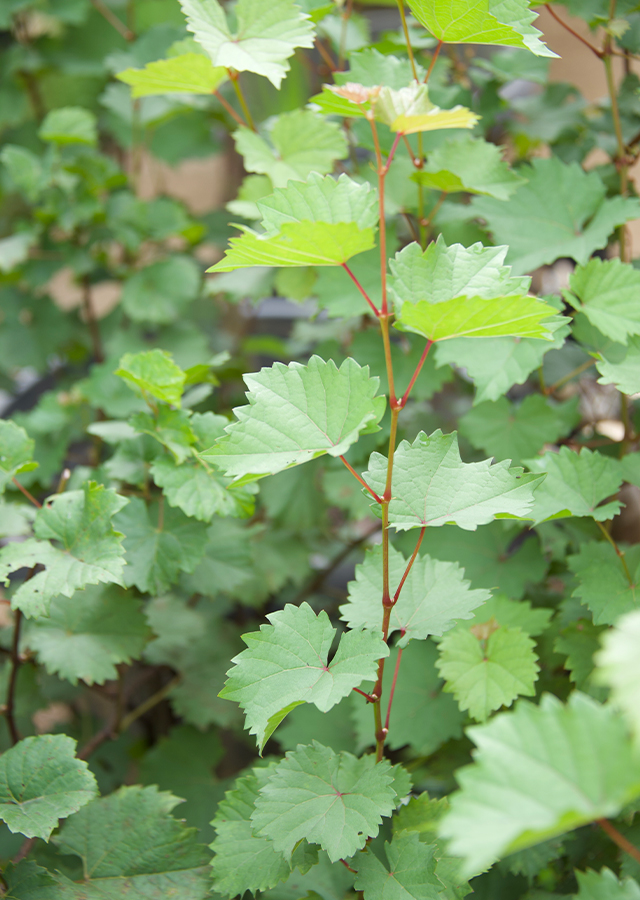
- Leaves - alternate, 3- or 5-lobed, coarsely toothed, 7.5-15 cm long and wide, with stalks half as long as the blade.
- Flowers - tiny, greenish, in loose panicles.
- Fruits - a berry, oval or globose, 6 mm in diameter and ripens dark purple to blackish with a pale wax bloom, in cultivated plants it is usually much larger, up to 3 cm long, and can be green, red, or purple (black)
Cultivation
- Propagated by seeds and cuttings.
- Cuttings should be soaked in water for a several hours before placing them in the nursery.
Chemical Constituents
Proanthocyanidin, resveratrol, saponins, tannins, flavonoids, alkaloids, flavonol, phenolic compounds (caffeic acid, cathecin, p-coumaric acid, galic acid, luteolin, and trans-reseratrol).
Traditional Medicinal Uses
Medicinal Uses
- The plant has oxidative stress, anti-inflammatory activity, and anticarcinogenic, antibacterial and antioxidant properties.
- Its content supports treatment of cardiovascular diseases, cancer, diabetes, and several diseases.
Traditional Uses
- European folk used an ointment from the sap of grapes to cure skin and eye diseases. Grape leaves were used to stop bleeding, inflammation and pain.
- Unripe grapes were used to treat sore throats and dried grapes were used to heal consumption, constipation, and thirst. The round, ripe, sweet grapes were used to treat a range of health problems including cancer, cholera, smallpox, nausea, eye infections, skin, kidney and liver diseases.