
Stink Bean
Parkia speciosa Hassk.
Fabaceae
Location in our garden
Orchard
Synonym
Acacia gigantea Noronha
Inga pyriformis Jungh. ex Miq.
Mimosa pedunculata W.Hunter
Habitus

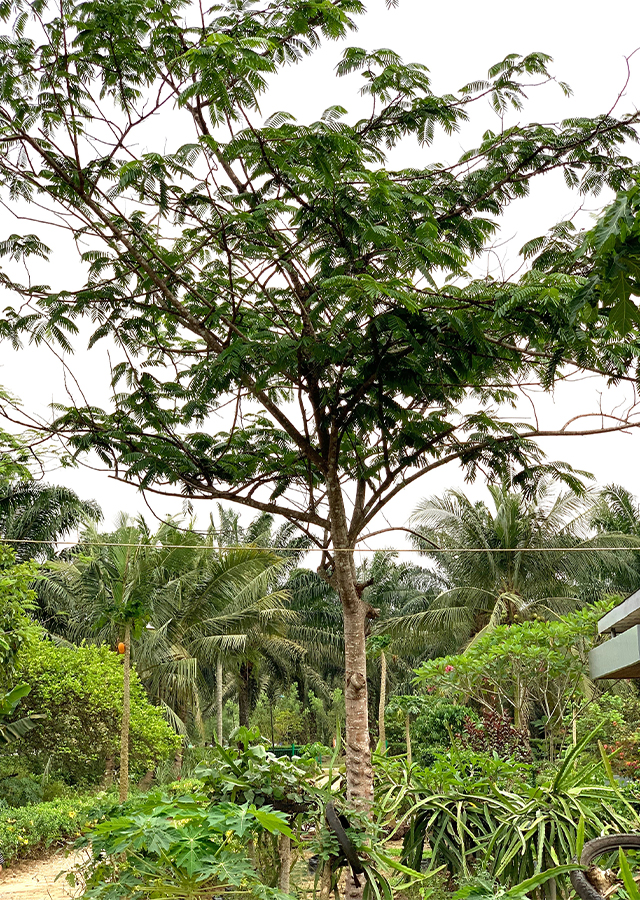
Trees. An evergreen tree that grows 15-40 m .
Part Used
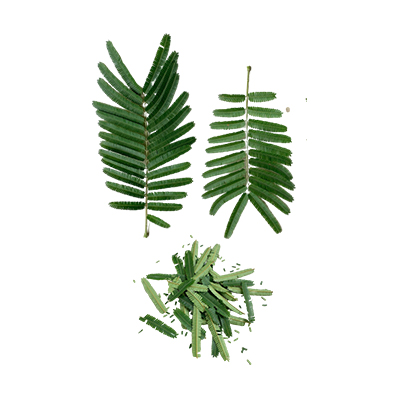
 Leaves
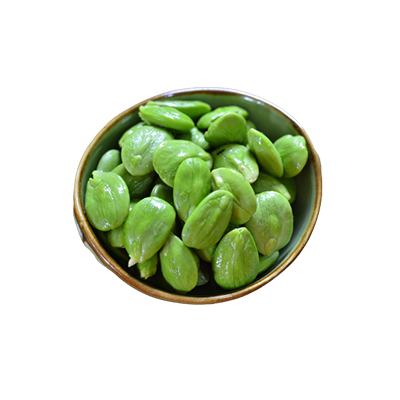
 Fruit
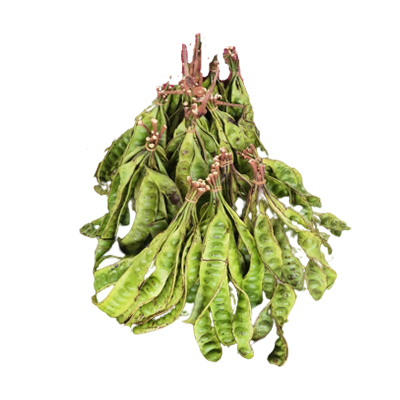
Fruit
Growing Requirements
 Full Sunshine
 Need Shade
Habitat
 Wetland
 Riverbanks
 Forest
Overview
Stink bean is native in South-East Asia countries like Malaya, Borneo, Jawa, Sumatera, Thailand, Philippines. Part of sprouts and thickened inflorescence stalks, young fruit pods young leaves, and seeds areroasted and cooked eaten raw as vegetable. The stink smell and bitter taste has diminished its use as food. It has a potential to be developed as a phytomedicine.
Vernacular Names
Yongchak (India), Nejire fusamame (Japanese), Cantonese (Malaysa), Palawan (Philippines), Nitta (Thailand).
Agroecology
A plant occurs in scattered lowland rainforests of the humid tropics at an elevation below 1,400 m. It grows best in areas with temperature within the range 20-28 °C, but can tolerate 16-36 °C. Prefers a mean annual rainfall in the range 1,000-2,000 mm, a pH in the range 5.5-7. Young plants require some shade from bright sunlight, but they become more light demanding as they grow larger. Prefers clay-loam soils or well drained, podzolic soil, sandy, loamy, sandy loam, and areas nearby the river banks.
Morphology
- Stem - 50–100 cm in diameter, hairy branchlets.
- Barks - smooth reddish-brown bark.
- Leaves - bipinnate, alternate, petiole 2-6 cm long, rachis with subcircular glands between the junctions of the basal pairs of pinnae and 18-30 cm long, pinnae 10-19 pairs, with small pointed lobe at base an rounded tip.
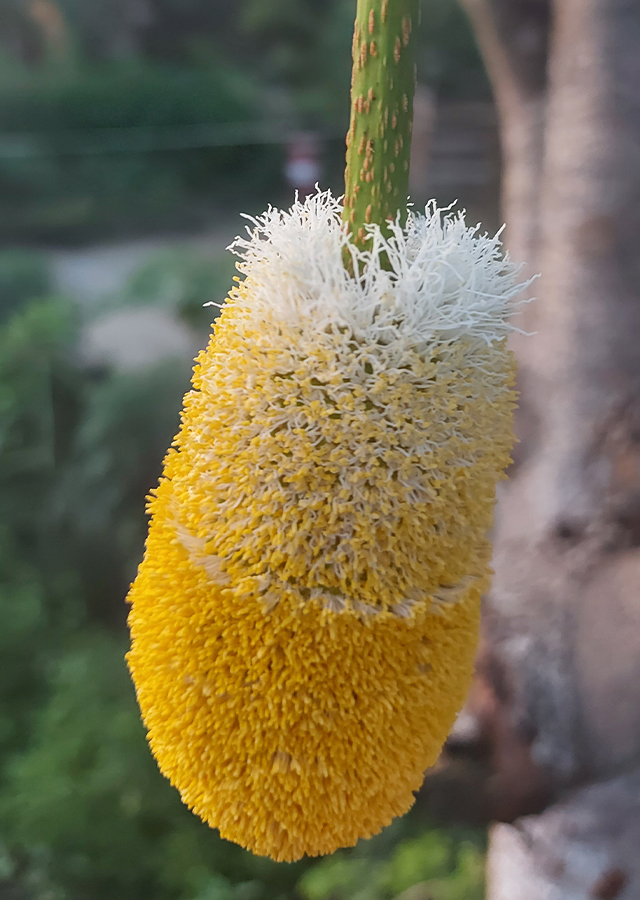
- Flowers - small, numerous, creamy white, brown-yellow. Pear-shaped pendulous head, 2-5 cm in diameter; peduncle 20-45 cm long, calyx and corolla tubular, ovary stipitate.
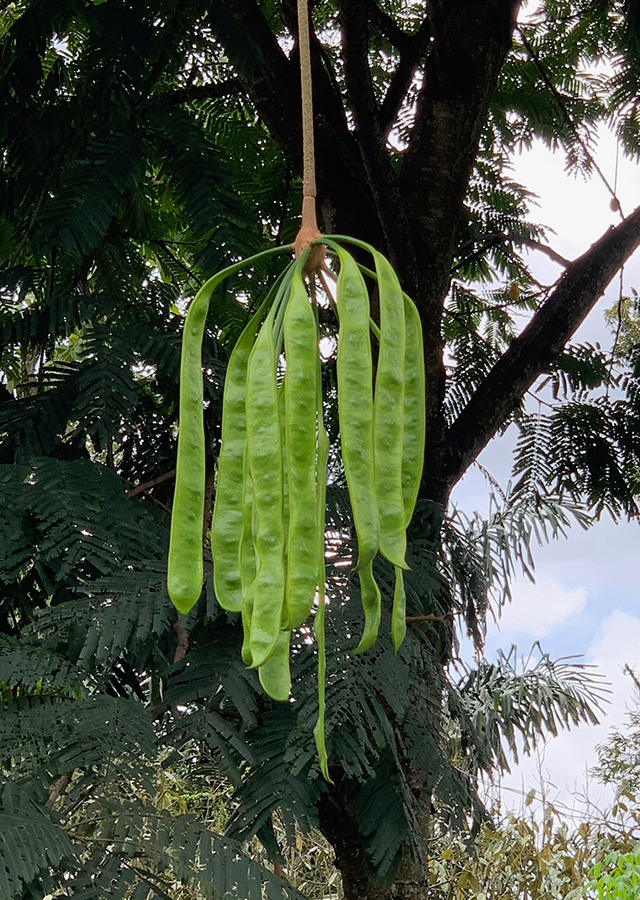
- Fruits - a legume, large, 3–5 cm wide, 35–55 cm long, more commonly twisted or straight; hanging in small bundles of 6–10.
- Seeds - 0–18 seed, large, broadly ovoid, 2-2.5 cm × 1.5-2 cm, testa very thin, horizontal in the pod and vibrant green.
Cultivation
- Generative propagation is by seed - fresh, soft seeds can be sown immediately, pre-soak any with harder skins for 24 hours in warm water prior to sowing. The seed will be germinating within 3-15 day about 90%.
- Vegetative propagation is by cuttings of the ripe wood and budding.
Chemical Constituents
Phenols, flavonoids, terpenoids, campesterol, sitosterol, stigmasterol, lupeol, undecanoic, myristic, palmitic, oleic, linoleic, elaidic, stearic, stearoic, lauric, arachidonic, and linoleic acids.
Traditional Medicinal Uses
- Studies have suggested antioxidative, anti-inflammatory, anti-hypertensive, anticancer, antinociceptive and anti-microbial activity.
- The seeds are known to be hypoglycaemic and are used for treating cancer, diabetes, hepatalgia, kidney pain, oedema, nephritis, cholera colic and as an anthelmintic, also valued as a carminative.
- In South-East Asia, the seeds are used traditionally for the treatment of diabetes, scabies, oedema, high blood pressure, cancer, hepatalgia, nephritis, colic, cholera and as an anthelmintic to expel worms.
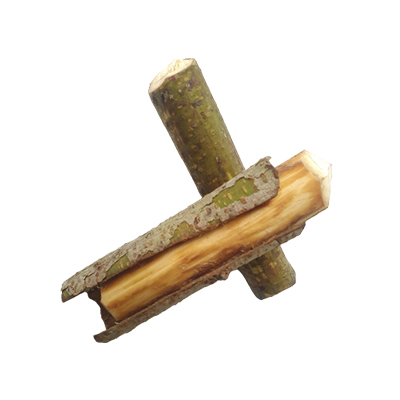
- The inner red bark is applied as a dressing on burns, followed several hours later by an infusion of the pounded white wood, which is used to wash the skin.
- Seeds are also applied externally to wounds. Seed is preferred by local people in Malaysia. it can be eaten roasted, cooked and raw.
- Leaves are used against jaundice.
- Fresh seeds are cooked and used to treat kidney disorders.
Part Used
Reference Sources
- Chhikara, N., Devi, H. R., Jaglan, S., Sharma, P., Gupta, P., & Panghal, A. (2018). Bioactive compounds, food applications and health benefits of Parkia speciosa (stinky beans): a review. Agriculture & food security, 7(1), 1-9.
- Zaini, N. A., & Mustaffa, F. (2017). Parkia speciosa as Valuable, Miracle of Nature. Asian Journal of Medicine and Health, 2, 1-9.
- http://apps.worldagroforestry.org/treedb/AFTPDFS/Parkia_speciosa.PDF.
- http://powo.science.kew.org/taxon/urn:lsid:ipni.org:names:512231-1.
- https://uses.plantnet-project.org/en/Parkia_speciosa_(PROSEA).