
Black Pepper
Piper nigrum L.
Piperaceae
Location in our garden
Palm
Synonym
Muldera multinervis Miq.
Piper aromaticum Lam.
Rhyncholepis haeankeana Miq.
Habitus

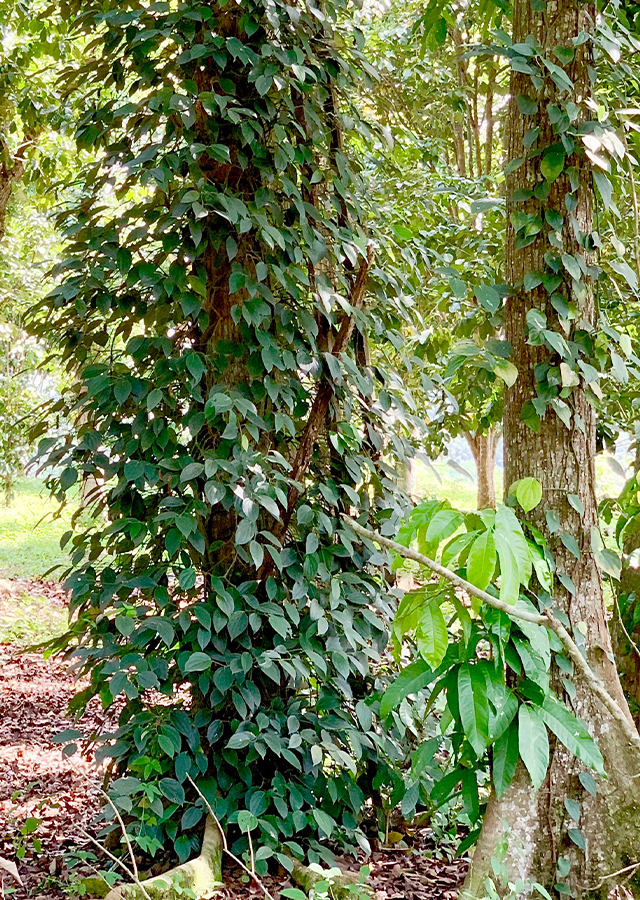
Climbers. A climbing perennial shrub producing a cluster of woody stems up to 10 m tall.
Part Used
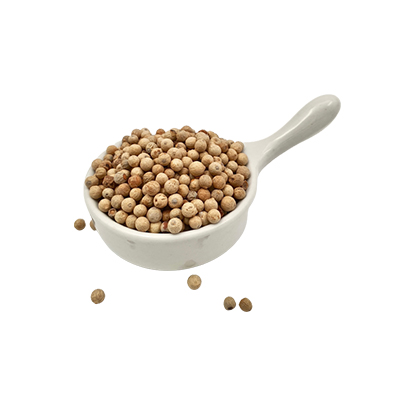
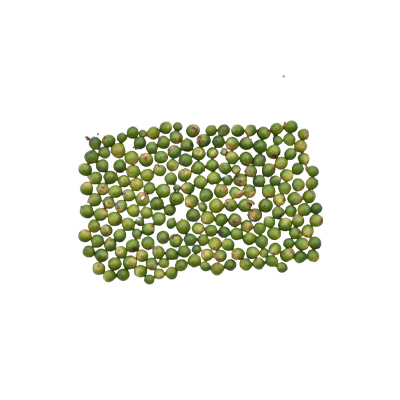
 Seeds
Seeds
Growing Requirements
 Need Shade
Habitat
 Terrestrial
Overview
The plant is native to the Western Ghats of Kerala State in India, where it grows wild in the mountains. It is cultivated all over the tropics as a commercial crop. Vietnam, Indonesia, Brazil and India are the major producers. Black pepper are popularly used as a hot and pungent spice for flavouring food, used in traditional medicine.
Vernacular Names
Trieu (Vietnamese), Phrik thai (Thailand), Pimienta (Spanish), Burakkupeppaa (Japanese), Pepe (Italian), Pfeffer (German), Paminta (Philippines), Hu jiao (Chinese).
Agroecology
A plant of the hot and humid lowland tropics, where it grows best at elevations up to 500 m. Annual daytime temperatures are within the range 22 - 35 °C, a mean annual rainfall in the range 2,500 - 4,000 mm. Thrives in sheltered positions in semi-shade, prefers a neutral soil rich in organic matter, pH in the range 6 - 7. Level ground is most suitable for the production of pepper, provided there is no flooding, but it is often grown in rolling country or on hill slopes of varying steepness.
Morphology
- Stems - attach themselves to other vegetation by means of adventitious roots.
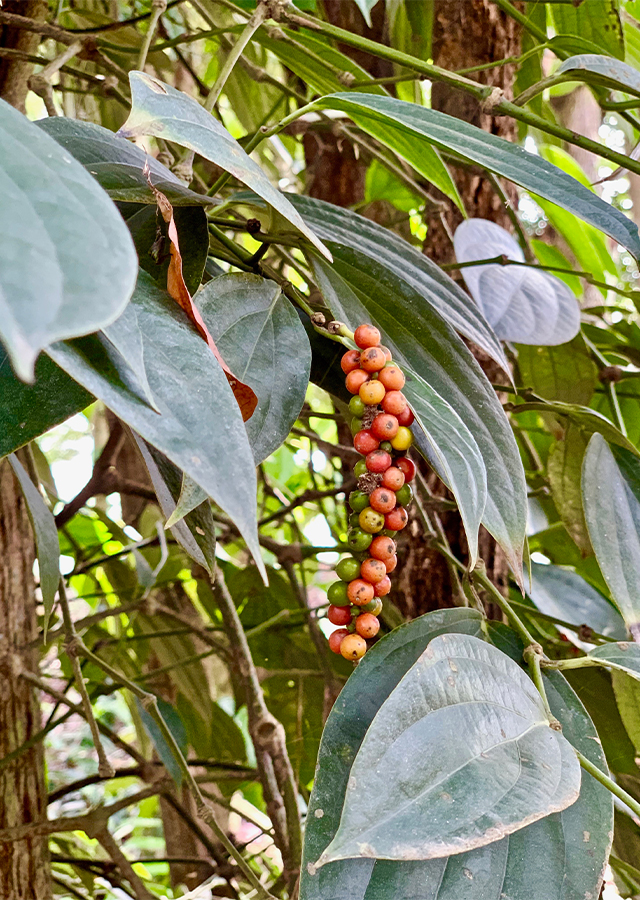
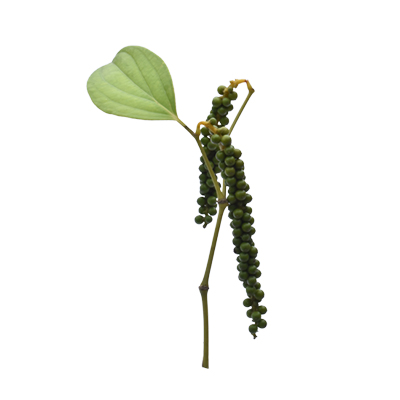
- Leaves - almond-shaped, tapering towards the tip, dark green and shiny above, palergreen below, arranged alternately on the stems.
- Flowers - borne in clusters along flowering stalks known as spikes. 50-150 whitish to yellow-greenflowers are produced on a spike.
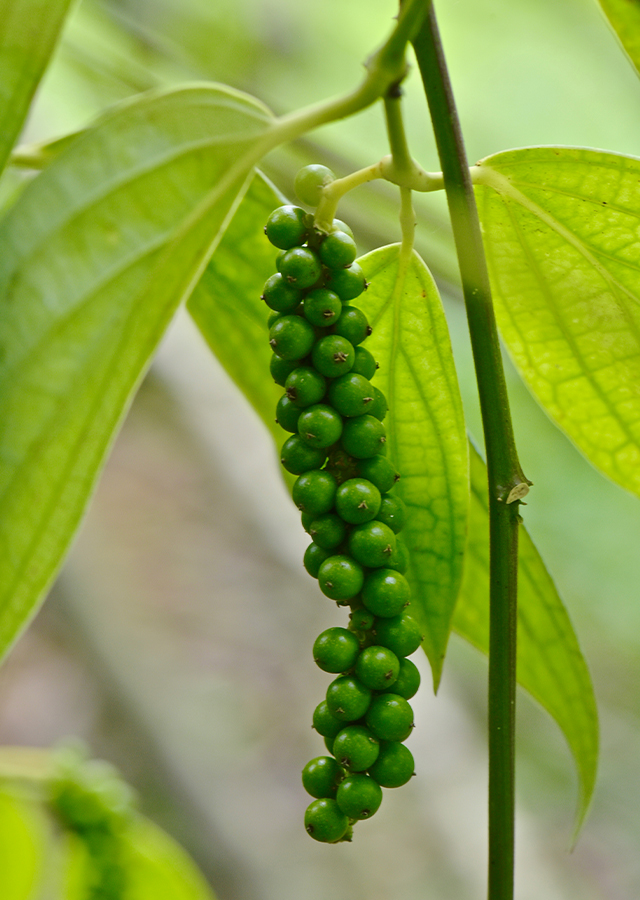
- Fruits - round, berry-like, up to 6 mm in diameter,green at first but turning red as they ripen, each containing a single seed. 50-60 fruits are borne on each spike.
Cultivation
- By seeds - germinate in 2 - 3 weeks.
- By cuttings - very easy and the most common commercial method of propagation. Use shoots of wood, about 45cm long, taken from parts of the plant that have already flowered.
Chemical Constituents
Piperine, pellitorine, guineensine, pipnoohine, trichostachine, piperonal, alkamides, piptigrine, wisanine, dipiperamide D, dipiperamide E, resin (oleoresin), piperidine, chavicine, alkaloids, tannins, flavonoids.
Traditional Medicinal Uses
- Study results showed excellent inhibition of the growth of Bacillus cereus, Salmonella typhi and E coli.
- P. nigrum are useful in controlling not only glucose and lipid levels but may also help in strengthening the antioxidant potential.
- Results showed significant and dose-dependent antidiarrheal activity against castor oil and magnesium sulfate induced diarrhea.
- Study showed the extract of fruits significant inhibition of acetylcholine induced bronchoconstriction, suggesting a significant anti-asthmatic potential.
- Study evaluated the possible memory-enhancing and antioxidant properties of the methanolic extract of P. nigrum fruits.
- In the Philippines, used as stimulant and rubefacient, decoction used as mouthwash for toothache.
- In Iranian traditional medicine, used to relieve menorrhagia in women.
- In India used in traditional medicine for constipation, diarrhea, earache, gangrene, heartburn, hernia, hoarseness, indigestion, insect bites, liver and lung problems, sunburn, dental caries, and toothaches.
Part Used
Reference Sources
- Fern, Ken. (2014). Useful Tropical Plants Database. Piper nigrum. http://tropical.theferns.info/viewtropical.php?id=Piper+nigrum. 26-10-2020.
- Plants of The World Online. (No date). Piper nigrum. http://plantsoftheworldonline.org/taxon/urn:lsid:ipni.org:names:682369-1#:~:text=Black%20pepper%20is%20native%20to,India%20are%20the%20major%20producers.&text=Overview%3A%20A%20climber%20that%20grows,of%2010%20m%20or%20more. 26-10-2020.
- StuartXchange. (2016). Philippine Medicinal Plants. Paminta. http://www.stuartxchange.org/Paminta.html. 26-10-2020.
- RBGKew. (2021). Piper nigrum L. http://www.plantsoftheworldonline.org/taxon/urn:lsid:ipni.org:names:682369-1.
- De Waard, P.W.F. & Anunciado, S. (1999). Piper nigrum L.In: de Guzman, C.C. and Siemonsrna, J.8. (Editors): Plant Resources of South-East Asia No 13. Spices. Backhuys Publishers, Leiden, the Netherlands. pp 189-194.