
Coleus
Coleus scutellarioides (L.) Benth.
Lamiaceae
Location in our garden
Principal

Synonym
Calchas acuminatus (Benth.) P.V.Heath
Habitus

Herbaceous. An erect, branched, fleshy, annual herb, about 1 m high
Part Used
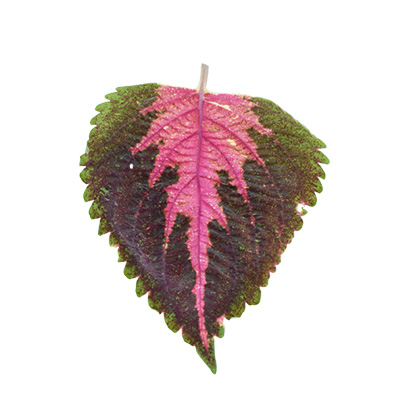
 Leaves
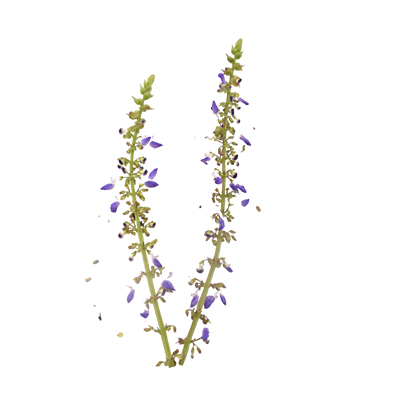
 Flowers
 Roots
Roots Sap
Sap Stem
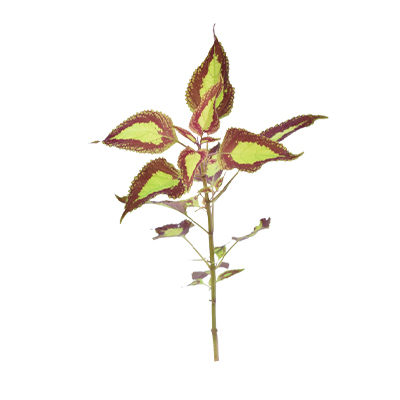
Stem
Growing Requirements
 Need Shade
Habitat
 Riverbanks
 Forest
 Mountains
 Shrublands
Overview
This plant is native to Indo-China to Nansei-shoto and northern Australia. It is cultivated in tropical and temperate regions around the world including all parts of China, and is invasive in some places. The species is considered a medicinal plant in many cultures but has also been classed as a narcotic hallucinogen.
Vernacular Names
Niwajiku (Japanese), Kentongan (Malaysia), Buntblatt (German), Joseph’s coat (Jamaican), Jacob’s coat (Caribbean), Tiá tô tây (Vietnamese), Wu cai su (Chinese), Mayana (Tagalog-Philippines), Miana (Indonesia).
Agroecology
Succeeds in full sun to moderate shade, growing well in a ide range of soils, preferably moist but well-drained. The species is shade tolerant, can grow in a wide range of habitats. Too much sun will cause plants to wilt, too much shade causes them to become leggy. It is easily grown from stem cuttings in potting soil or a glass of water
Morphology
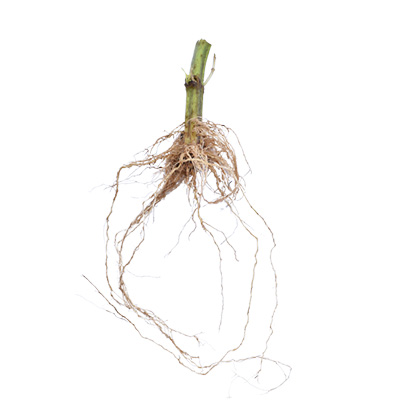
- Roots - Fibrous
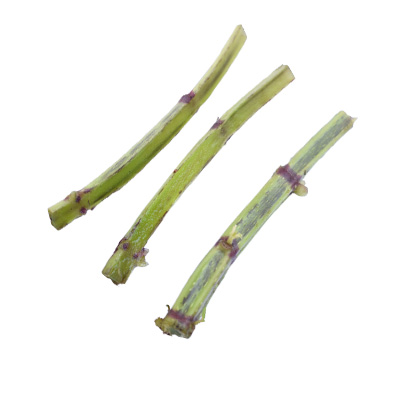
- Stem - purplish and 4-angled.
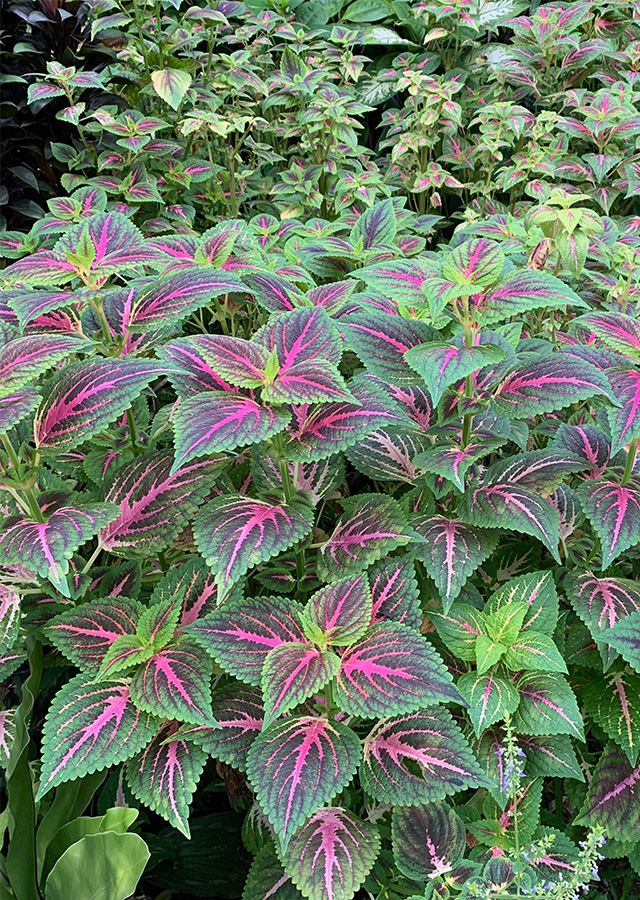
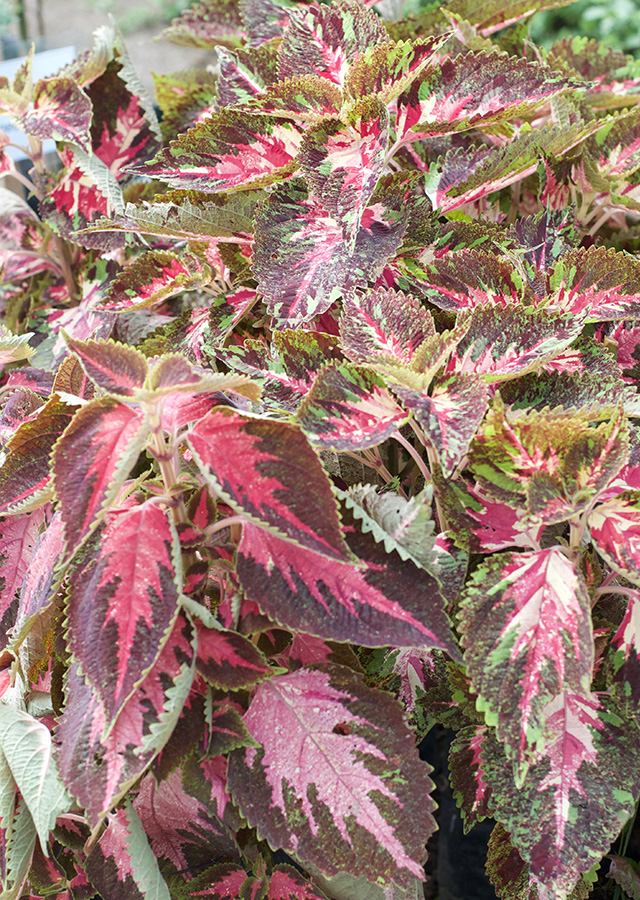
- Leaves - variously blotched or colored, usually more or less hairy, ovate, 5 to 10 cm long, rather coarsely toothed in the margins; and in the most common form uniformly velvety-purple.
- Flowers - purplish, numerous, and borne in lax, terminal, simple or branched inflorescences, 15 to 30 cm long. Corolla is about 11 mm long.
- Calyx - is green, and about 2.5 mm long, with the upper lip ovate and the lateral lobes short and ovate, the lower one being 2-cleft.
Cultivation
It propagated by seeds or stem cuttings.
Chemical Constituents
Terpenoids, tannins, flavonoids, essential oils, saponins, sterols, campesterol, salvinorin, phenolic compounds, alkaloids, flavonoids, quercetin, anthraquinones, antocyanin.
Traditional Medicinal Uses
- Studies suggest antimicrobial, antioxidant, anthelmintic, antimalarial, phytoremediative analgesic, anti-inflammatory properties.
- To treat diarrhoea and colic.
- As anthelmintic and to treat urinary complaints.
- As an abortivum and emmenagogue, and to treat haemorrhoids, inflamed eyes and boils.
- To stimulate digestion, as a sedative, to treat dyspepsia and congestion of the liver, and externally against swellings, smallpox and ophthalmia.
- To bruises and contusions, and to treat headache.
- In Philippines, pounded leaves used as a cure for headaches, applied to the temples or nape of the neck. Also used for healing bruises.
- Decoction taken internally for dyspepsia and for wasting away.
- Decoction used as eye drops for ophthalmia and conjunctivitis.
- In India, fresh juice of leaf and stem is mixed with the juice of raw Citrus fruits and applied over the skin during scorpion bite.
- In Samoa, used to treat elephantiasis.
- In Southeast Asia, used to treat dysentery and various digestive problems.
- In Vanuatu, leaves used for abortion; also for amenorrhea.
- In Fiji, used to treat diarrhea; juice of leaves used to treat earache.
Part Used
Reference Sources
- CABI. (2014). Invasive Species Compendium. Plectranthus scutellarioides (coleus). https://www.cabi.org/isc/datasheet/118545 29-01-2021
- Fern, Ken. (2014). Useful Tropical Plants. Plectranthus scutellarioides. http://tropical.theferns.info/viewtropical.php?id=Plectranthus+scutellarioides 29-01-2021
- NC Extension. (No date). Coleus scutellarioides. https://plants.ces.ncsu.edu/plants/coleus-scutellarioides/ 29-01-2021
- NParks. (No date). Coleus scutellarioides (L.) Benth. https://www.nparks.gov.sg/florafaunaweb/flora/2/4/2460 29-01-2021
- StuartXchange. (2021). Philippine Medicinal Plants. Mayana. http://www.stuartxchange.org/Mayana. 15-08-2020