
Yam Bean
Pachyrhizus erosus (L.) Urb.
Fabaceae
Location in our garden
Vegetable
Synonym
Cacara erosa (L.) Kuntze
Dolichos erosus L.
Pachyrhizus bulbosus Kurz
Habitus

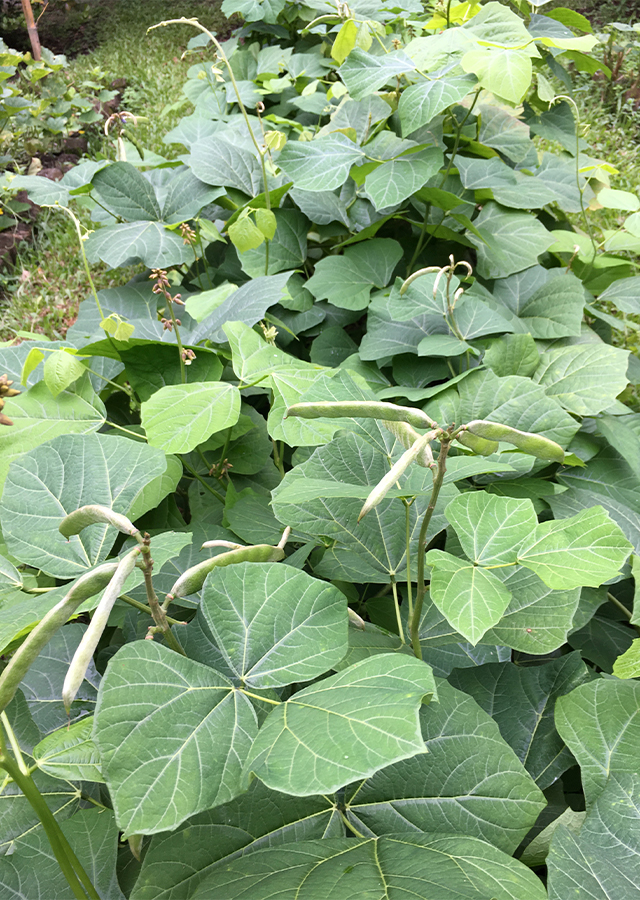
Climbers. An annual climbing herb, 2–5 m long
Part Used
 Seeds
Seeds Stem
Stem Tuber
Tuber
Growing Requirements
 Full Sunshine
Habitat
 Forest
 Shrublands
Overview
The species is indigenous to Central America (from Southern Mexico to Nicaragua and Costa Rica), and has naturalized elsewhere after introduction. It is cultivated as a tuber crop in the West Indies, in South and South-East Asia from the islands of the Indian Ocean, India, Myanmar, Indo China, Southern China, Malaysia, Indonesia, Philippines, Pacific Islands, and to a lesser extent in tropical South America, Africa, and Australia.
Vernacular Names
Cây cӫ dұu (Vietnamese), Man kaeo (Thai), Achipa (Spanish), Jacatupé (Portuguese), Kamias (Philippines), Fagiolo patata (Italian), Kuzuimo (Japanese), and Bengkuang (Indonesia).
Agroecology
The plant thrives in a warm, humid tropical climate from near sea level to 1,400 m elevation with an optimum temperature range of 20–28 °C in zones with approximately 1,500 mm mean annual rainfall. It prefers full sun and rich, moist, well-drained light, sandy-loamy, alluvial or volcanic soils; waterlogged soil is detrimental as it causes rotting of tubers.
Morphology
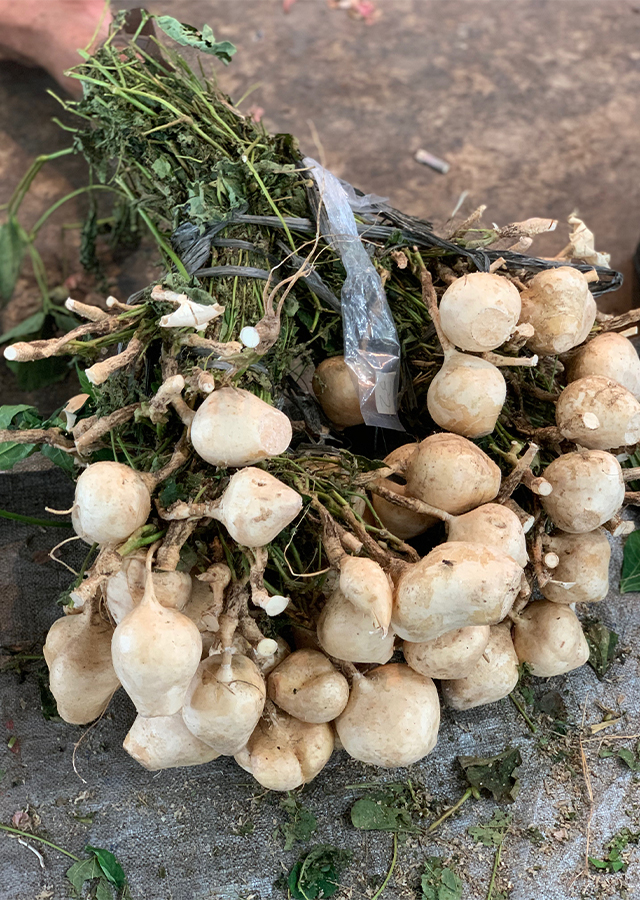
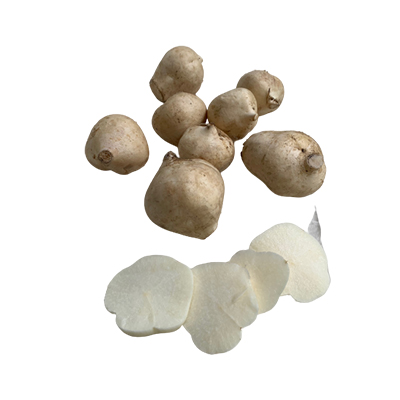
- Roots - Edible root, the plant produces one or more turnip-shaped to elongated tubers up to 30 cm in diameter and 25 cm long. Mature tubers can reach 2 m long and weigh up to 20 kilos.
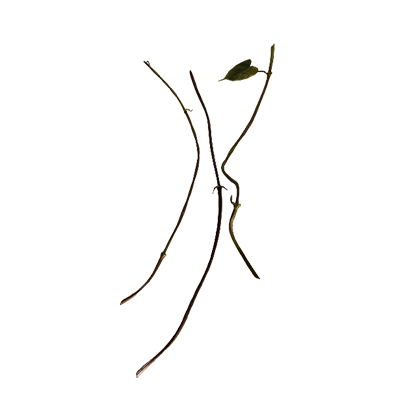
- Stems - climbing or trailing plant producing annual.
- Leaves - pinnately trifoliate, coarse, stipules lanceolate or falcate, 0.5–1 cm long, petiole 10–15 cm long.
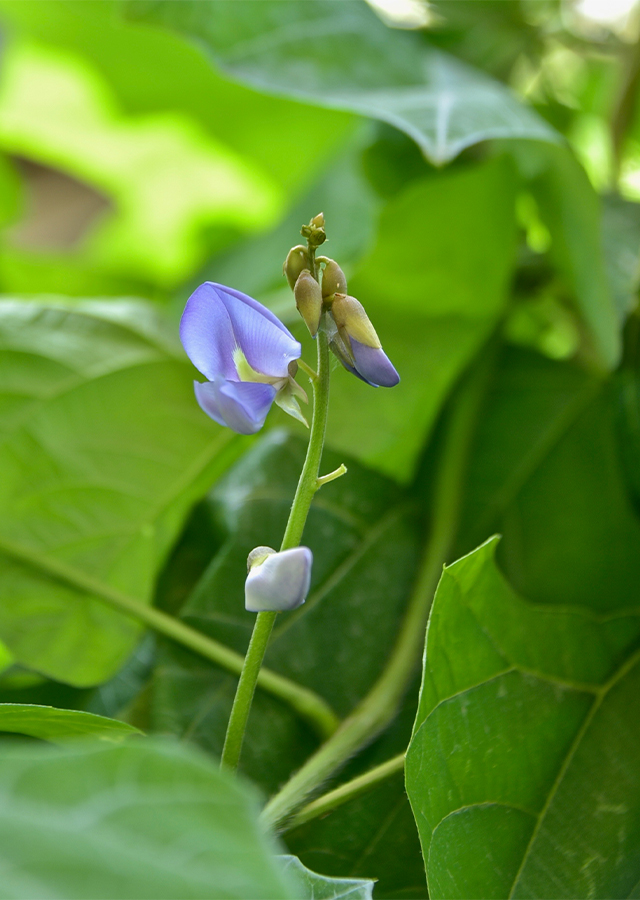
- Flowers - shortly pedicelled, bluish-violet, glabrous, bracteoles at base of calyx, corolla glabrous.
- Pods - subsessile, linear, acuminate, compressed, finely pubescent, 5–10 seeded, 7.5–15 cm long, and 1.2–1.6 cm wide.
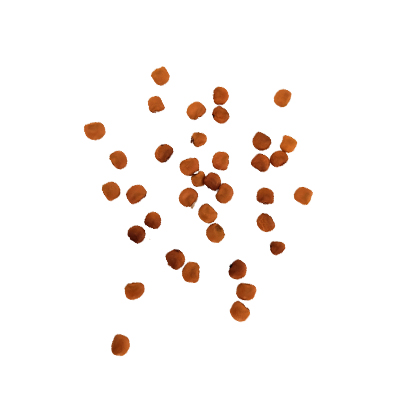
- Seeds - flat rounded to squarish, olive-green to brown or reddish-brown.
Cultivation
- By seeds - presoak the seed for 12 hours in warm water and then sow in situ.
- By division of the root tubers.
- By cuttings.
Chemical Constituents
Alpa hydroxyl acid (AHA), pachyrhizon, rotenon, saponins, flavonoids, thiamin, pirydoxin, riboflavin, niacin, folic acid, and askorbic acid.
Traditional Medicinal Uses
Medicinal Uses
- The oil obtained from the seeds is purgative in doses of 40 gms.
- The seeds have been shown to have antifungal, antisecretory, antibacterial, and spasmolytic activities.
- Decreased locomotor activity, muscle relaxation, antianxiety, and anti-aggressive activity. Another study has shown moderate anti-herpes simplex virus activity.
- Studies have suggested antiviral, anti-osteoporosis, antioxidant, immunomodulatory, insecticidal, and skin whitening properties.
Traditional Uses
- A decoction of the roots is used as a diuretic, and also in the treatment of fevers and haemorrhages.
- A warmed poultice of the stem pulp is applied to painful areas in the leg.
- A tincture made from seeds is used in the treatment of herpes.
Part Used
Reference Sources
- Fern, K. (2014). Useful Tropical Plants. Pachyrhizus erosus (L.) Urb. http://tropical.theferns.info/viewtropical.php?id=Pachyrhizus+erosus. 20-07-2020.
- Lim, T.K. (2012). Edible Medicinal and Non Medicinal Plants - Fruits Vol.10: 465-481.
- StuartXchange. (2016). Philippine Medicinal Plants. Sinkamas. http://www.stuartxchange.com/Sinkamas.html. 06-02-2021.