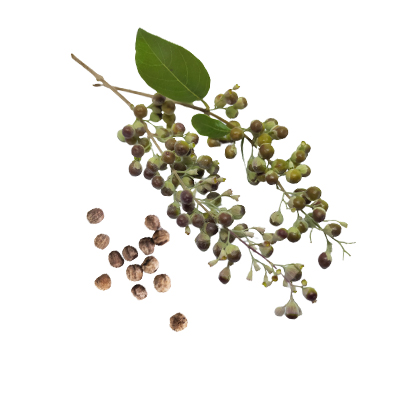
Simpleleaf Chastetree
Vitex trifolia L.
Lamiaceae
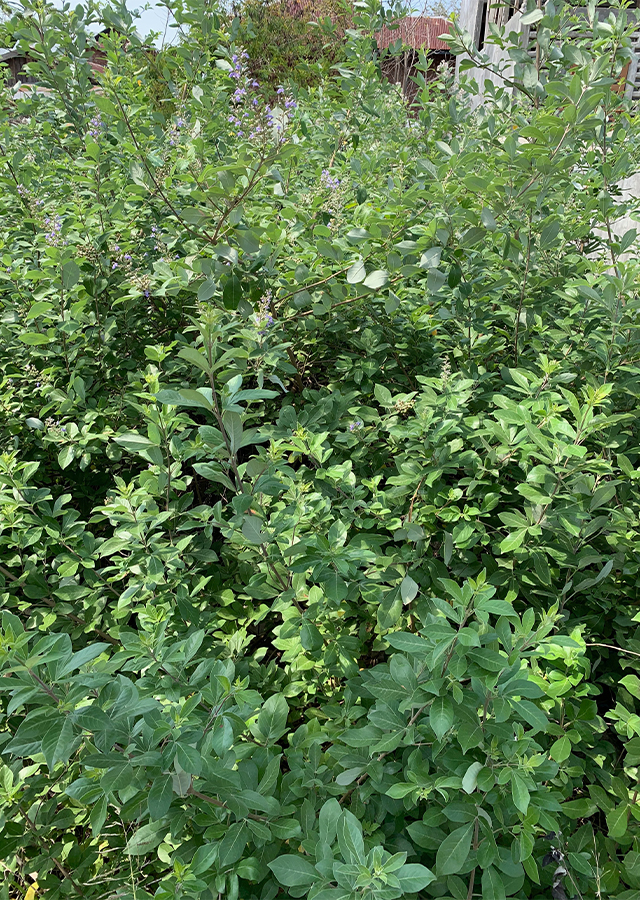
Location in our garden
Principal

Synonym
Vitex indica Mill.
Vitex integerrima Mill.
Vitex variifolia Salisb.
Habitus

Shrubs. Deciduous shrub, perennial, growing from 1- 4 m tall
Part Used
 Leaves
 Seeds
Seeds Fruit
Fruit Roots
Roots Stem
Stem
Growing Requirements
 Full Sunshine
 Drought Resistant
Habitat
 Forest
 Coastal
Overview
It is widespread from North Australia East to Tahiti and North via Indonesia and the Philippines to China, India and Sri Lanka. Also reported from East Africa and introduced on many Pacific islands in the Central Pacific and Hawaii. The plant is gathered from the wild for local medicinal use. It is sometimes cultivated as a hedge plant and is widely grown as an ornamental.
Vernacular Names
Indian privet (India), Lagundi (Tagalog-Philippines), Mang jing zi (Chinese), Nira lakki gida (Kannada), Nirnochchi (Tamil), Sindhuka (Sanskrit).
Agroecology
It grows on sand, coral, pumice gravel or shale. It found in teak forest, secondary forest and thickets at elevations up to 1,100 m, but also in mangrove forest and along the shore.
Morphology
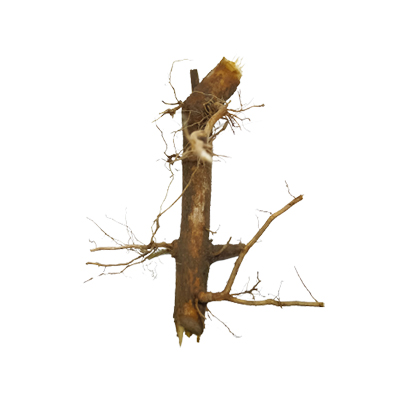
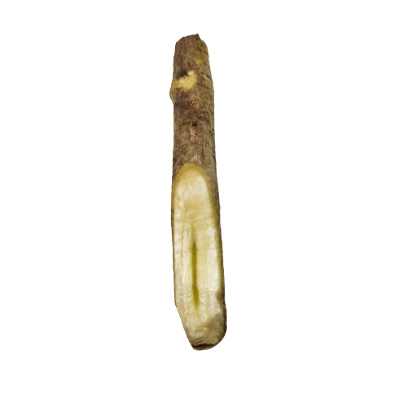
- Barks - brown, smooth; young branches densely pubescent with greyish hairs. Sometimes prostate or ascending in habit.
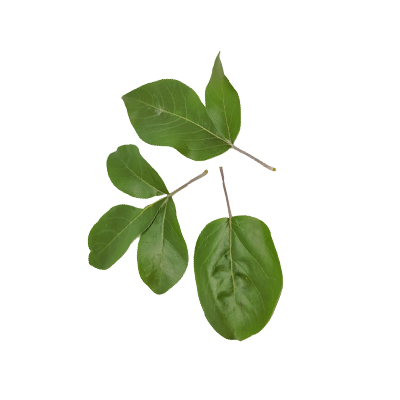
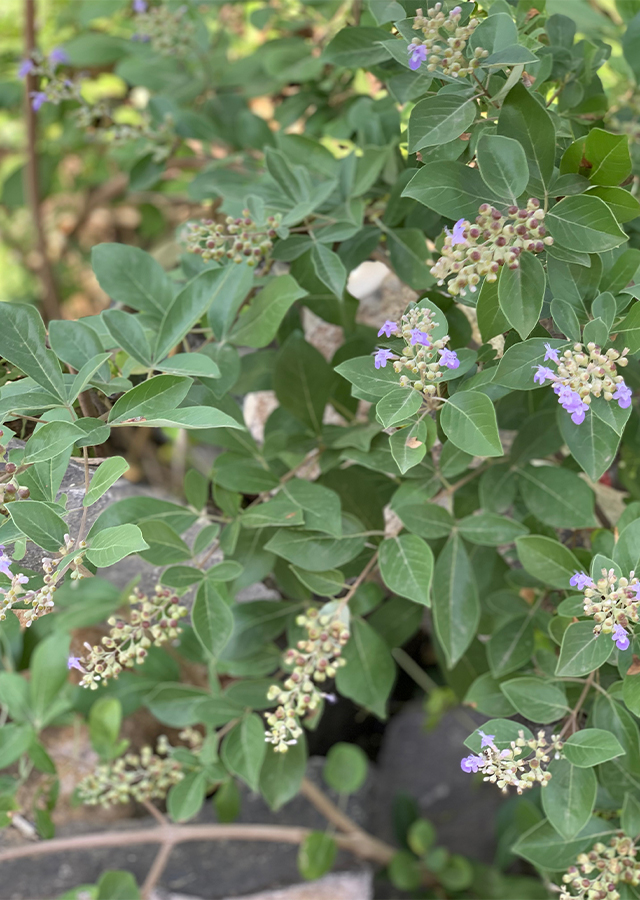
- Leaves - opposite, 1–5-foliolate; leaflets oblong-elliptic or obovate to oblanceolate, 1.5–7 cm. long, 0.8–4 cm. wide.
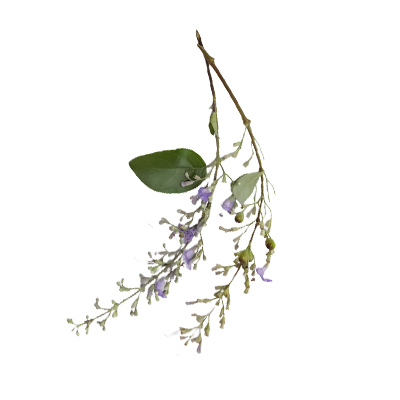
- Inflorescences - terminal and axillary in upper leaf-axils, blue, lavender or purple.
- Fruits - yellow or reddish turning blue or black, globose or ovoid.
Cultivation
- Generative propagation is by seed, sow freshly collected seed in a mix of sand and coir.
- If propagating by cuttings, take them when the plants are not in flower or fruit (apical cuttings with at least two nodes).
Chemical Constituents
Alkaloids, phenol, glycosides, saponins,flavonoids, tannins, terpenoids, resin, acidresin, astringent organic acid, malic acid, l-d-pinene, camphene, terpinyl acetate, ursolicacid, a diterpene alcohol, vitrifol A,triterpenoids.
Traditional Medicinal Uses
- Studies have shown larvicidal, anticancer, anti-inflammatory, analgesic, hepatoprotective, anti-asthmatic, wound healing, anthelmintic, antitubercular properties.
- The fruit considered nervine, cephalic, emmenagogue.
- The roots considered tonic, expectorant and febrifuge.
- The plant is used as antiseptic.
- The inner bark is chewed and swallowed as a remedy for dysentery.
- In Malaya, decoction of roots is drunk for fever and after childbirth.
- In India, leaves are used as anodyne, diuretic and emmenagogue, crushed leaves mixed with ghee applied to ringworm infection.
- In Chinese medicine, dried fruit has been used for colds, headache, migraine, and eye pain.
- Decoction of leaves is used for aromatic baths.