
Globe amaranth
Gomphrena globosa L.
Amaranthaceae
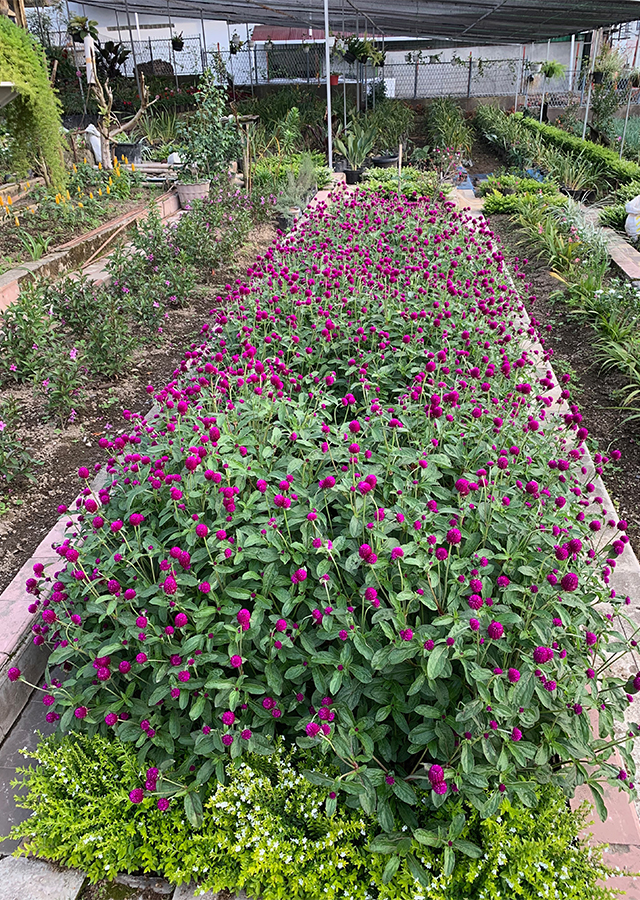
Location in our garden
Principal
Synonym
Gomphrena eriopoda Gillies ex Moq.
Gomphrena rubra Moq.
Gomphrena tumida Seidl ex Opiz
Habitus

Herbaceous. Herbaceous annuals that grows to 20–60 cm tall
Part Used
 Leaves
 Seeds
Seeds Bark
Bark Flowers
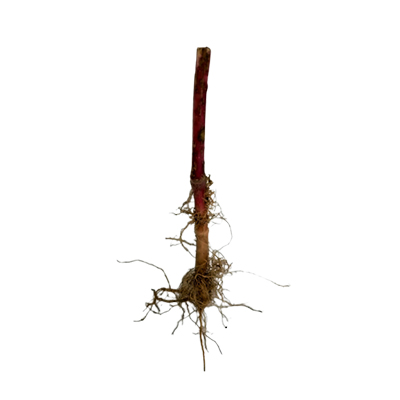
 Roots
Roots Stem
Stem
Growing Requirements
 Full Sunshine
 Drought Resistant
Habitat
 Wetland
 Forest
 Shrublands
 Grassland
Overview
It is native to Panama and Guatemala in Central America. It has escaped cultivation in gardens and is now found waste grounds and disturbed sites in tropical and subtropical countries. The plant as an ornamental, as well as having uses in traditional medicine and as a source of betacyanins in the food industry.
Vernacular Names
Saam pii (Laos), Qian ri hong (Chinese), Amarantine (French), Amaranto globoso (Spanish), Gemeiner Kugelamarant (German), Botam phul (India/West Bengal).
Agroecology
It is found at altitudes of 10-500 m. Mature plants exhibit good drought resistance and extremely good heat tolerance. It prefers in a sunny position and moderate water.
Morphology
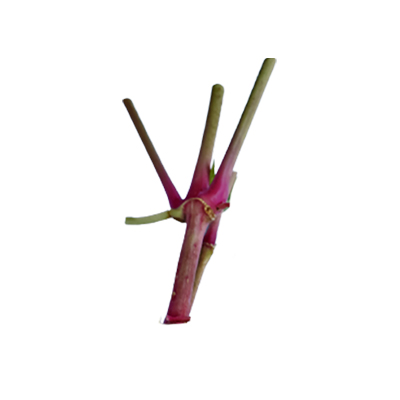
- Stems - stout, branched; branches slightly quadrangular, gray strigose, slightly inflated at nodes.
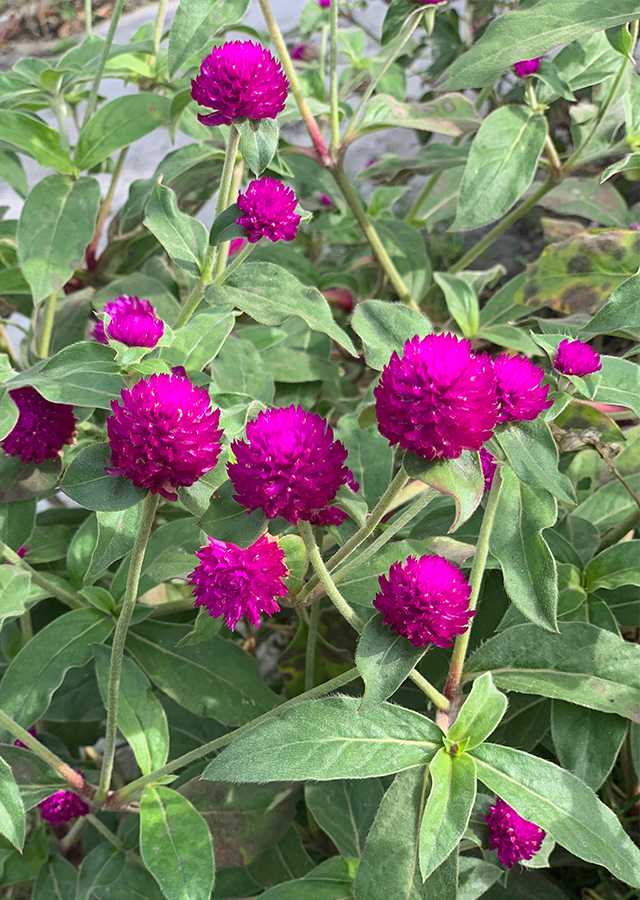
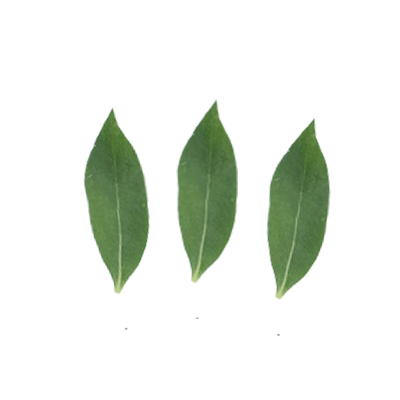
- Leaves - opposite, oblong to oblong-obovate (2–13 cm long, 0.5–5 cm wide). Young leaves are woolly-white and turn green with sparsely white hairs when matured.
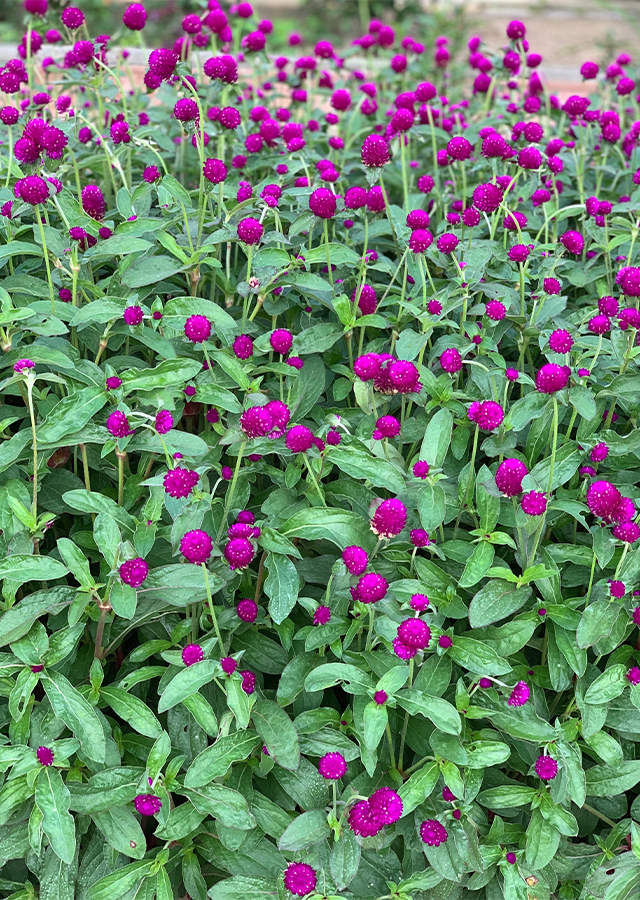
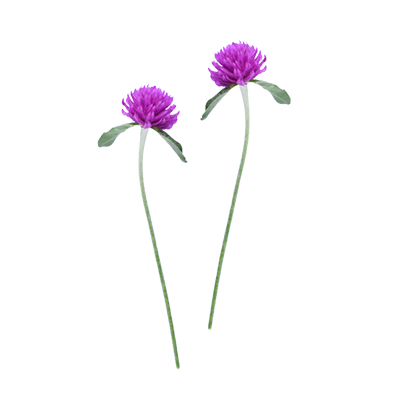
- Flowers - numerous, densely crowded in globose heads, the heads are white, pink or purple, solitary, peduncled, 1.5 to 2 cm in diameter, subtended by 2 bracts.
- Fruits - utricles, compressed, and indehiscent.
- Seeds - shiny reddish brown, reniform, 1.5–2 mm wide and encased in a thick coating.
Cultivation
Gomphrena globosa is propagated in cultivation by seed.
Chemical Constituents
Saponins, poliphenol, betacyanin (amaranthin), essential oils, flavonoids, phenolic, gomphresin I, II, III, V and VI, tannin gallat, steroids/triterpenoids, coumarin.
Traditional Medicinal Uses
Medicinal Uses
- Its contains is beneficial to reduce fatigue and slow aging.
- Results showed a significant anti cancer activity of chloroform extract of its aerial parts restoring hematological and biochemical parameters toward normal.
- Study evaluated various flower extracts of G. globosa for antimicrobial activity of E. coli, S. aureus, P. aeruginosa and S. dysenteriae.
- Study evaluated a methanolic extract for anti-diarrheal activity.
Traditional Uses
- Decoction of dried material or 10 inflorescences used for bronchial asthma, acute and chronic bronchitis, whooping cough; decoction of fresh plant used to wash sores; flower decoction used for inflammation of the eyes, difficulty urinating, headaches, and dysentery.
- In Trinidad and Tobago, used for diabetes and for high blood pressure, jaundice, oliguria and other kidney problems and as heart tonic; in Myanmar, decoction of plant used for cough; in Bangladesh, used for hypertension, cough, diabetes, oliguria, heat and empacho.
Part Used
Reference Sources
- CABI. (2013) Invasive Species Compendium. Gomphrena globosa (globe amaranth). . https://www.cabi.org/isc/datasheet/25617. 28-08-2020.
- National parks. (2019). Flora Fauna Web. Gomphrena globosa L. https://www.nparks.gov.sg/florafaunaweb/flora/2/0/2037. 28-08-2020.
- Stuartxchange. (2018). Philippine Medicinal Plants. Botoncillo. http://www.stuartxchange.org/Botoncillo.html. 28-08-2020.