
Herb of grace
Ruta angustifolia Pers.
Rutaceae
Location in our garden
Green House
Synonym
-
Habitus

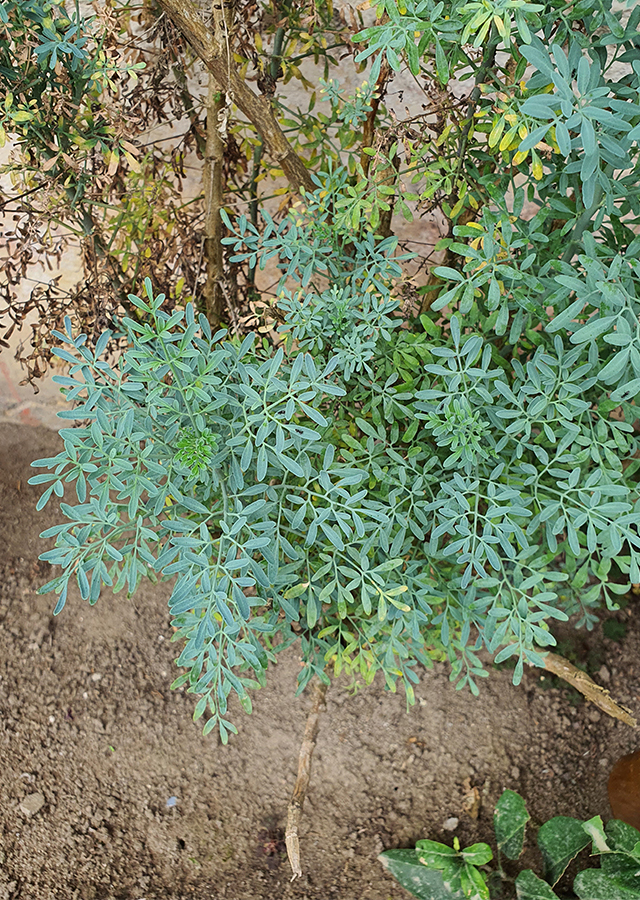
Herbaceous. A perennial herb and woody at the base. It can grow up to 0.3-1.5 m tall
Part Used
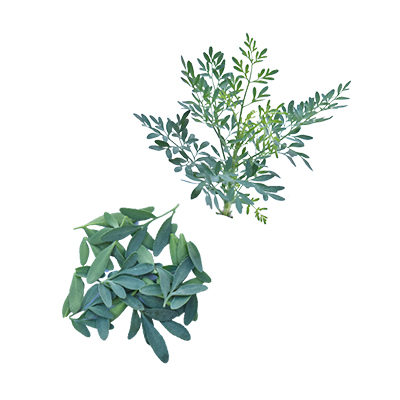
 Leaves
 Flowers
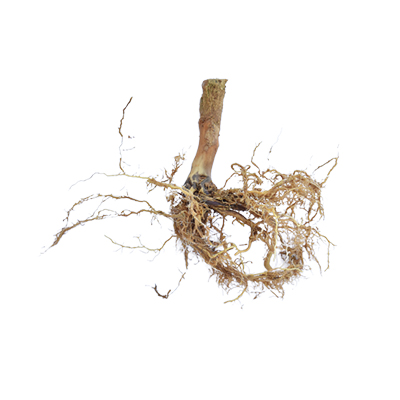
 Roots
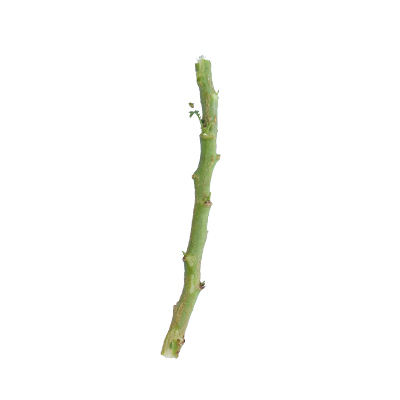
Roots Stem
Stem
Growing Requirements
 Full Sunshine
 Need Shade
 Drought Resistant
Habitat
 Rocky Areas
 Grassland
Overview
The Herb of grace is native to and grown throughout India in the Mediterranean region. It has been used since ancient times for medicinal and culinary purposes. It was launched in the Middle East and India. It is cultivated for medicinal purposes in Southeast Asia, in Malaysia and sometimes in Vietnam and Java.
Vernacular Names
Aruda (Malaysia), Haavu nanjina gida (Canada), Chou cao (Chinese), Henruda (Japanese), Unhjang (Korean), Raute (German), Ru da común (Spanish).
Agroecology
On any soil, R. angustifolia is readily grown but prefers a well drained calcareous clayey soil. In full sun, it grows well, with moderately fertile, moist, well-drained soil. It is a hardy plant which tolerates drought, dry and rocky soil and is resistant to deer. Stop damp soils and surround the northern zones with mulch throughout the winter.
Morphology
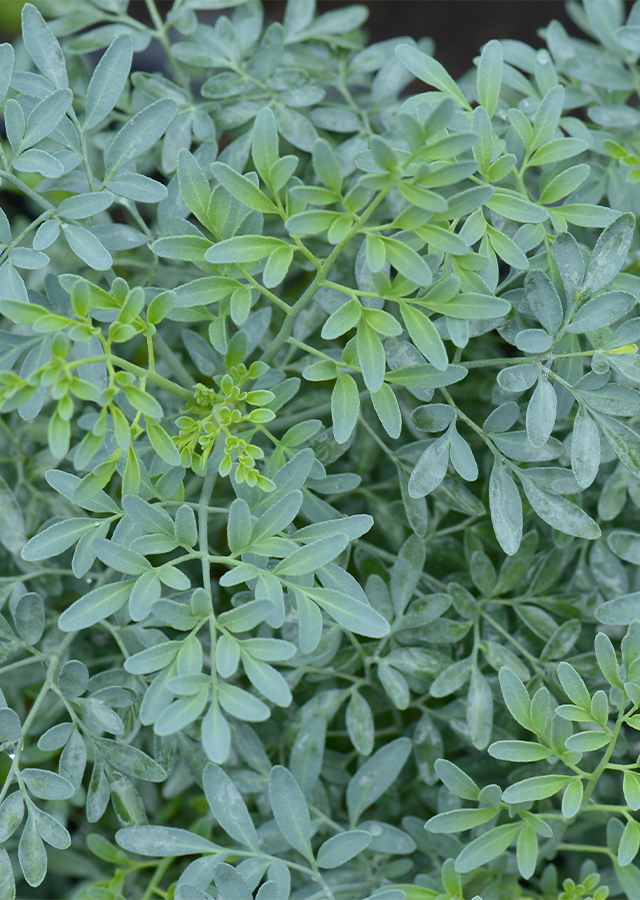
- Stem - a malodorous shrublet with much branched leafy stems.
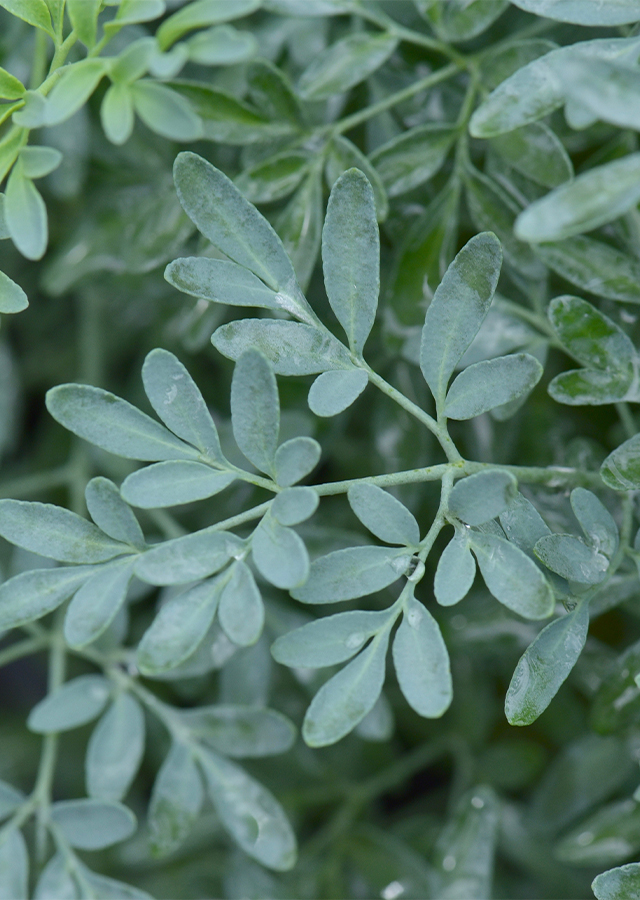
- Leaves - bi- or tripinnatisect, glaucous leaflets narrowly oblong-lanceolate to obovate, to 6 mm wide, inflorescence glabrous, corolla with oblong, ciliate petals. Color yellow.
- Flowers - small and yellow-green, 1 cm wide, petals toothed and concave in loose clusters at top of plant.
- Fruits - a globose capsule 6-9 mm.
Cultivation
It is possible to start the plant from seeds and generally germinate in one to four weeks. Before setting them in a wet, sunny place, the seeds need light to germinate, surface-sowing the seeds. Usually, seeds can be sown for topical germination at 20 °C .
Chemical Constituents
Steroids, flavonoids, furocoumarins, furoquinolines, acridone, tannins, quinones, essential oils, chalepin, scopoletin, γ-fagarine, arborinine, kokusaginine, pseudane IX, moskachans.
Traditional Medicinal Uses
Medicinal Uses
- R. angustifolia extracts have been reported to exhibit antiviral activity against hepatoma.
- Shown to have abortifacient, carminative, expectorant, haemostatic, anthelmintic, antiinflammatory, antispasmodic, antidiarrhoeal, antidote, and emetic.
Traditional Uses
- Flowering branches are used as vulnerary, emmenagogue, and spasmodic.
- A fresh plant to repel scorpions and insects.
- The leaves and seeds are boiled in olive oil and the mixture is rubbed to prevent pain and swelling from rheumatism.
- The infusion of the aerial component is used for respiratory diseases, gout, edema, oliguria, paralysis and menstruation with discomfort, epistaxis, headache, oral or external usage (poultice on the head).
Part Used
Reference Sources
- Dr. Driss Lamnauer,. (2005). A Guide to Medicinal Plants in North Africa. page 241-243
- The Herb Exchange. (No date). Rules For Growing Rue. http://theherbexchange.com/rules-for-growing-rue/. 15-08-2020
- GlobinMed. (No date). Ruta graveolens L.. https://www.globinmed.com/index.php?option=com_content&view=article&id=104751:ruta-graveolens-linn-1&catid=135&Itemid=141. 06-12-2020
- NC State Extension. (No date). Herb of Grace Ruta graveolens. https://plants.ces.ncsu.edu/plants/ruta-graveolens/common-name/herb-of-grace/. 07-12-2020