
Madagascar periwinkle
Catharanthus roseus (L.) G.Don
Apocynaceae
Location in our garden
Principal
Synonym
Ammocallis rosea (L.) Small
Lochnera rosea (L.) Rchb. ex Spach
Pervinca rosea (L.) Gaterau
Habitus

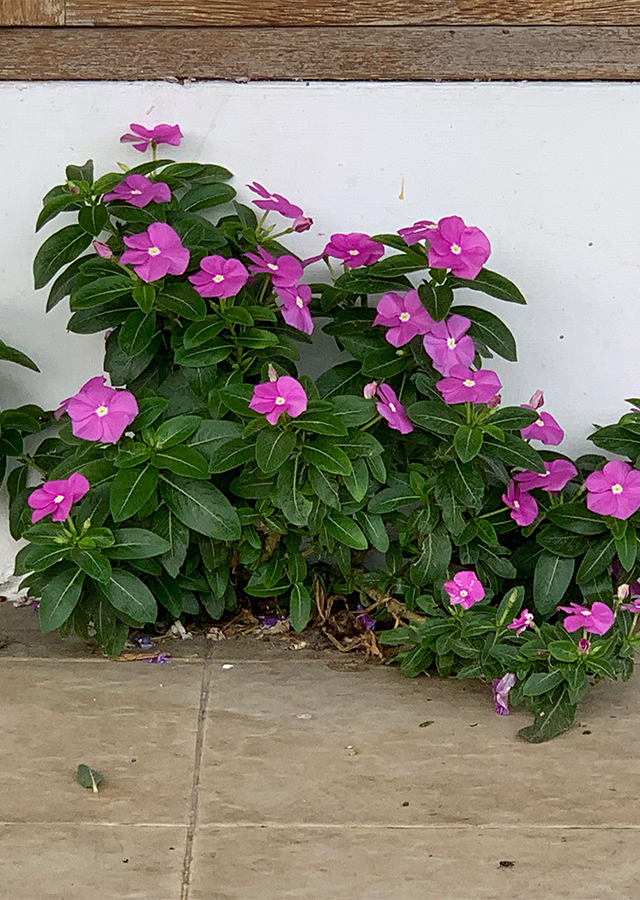
Shrubs. An erect or decumbent deciduous undershrub plant that produces an interesting flower. The plant may grow to a height of 100-200 cm. Typically, produce white latex.
Part Used
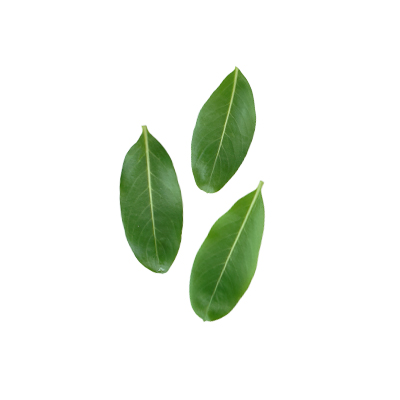
 Leaves
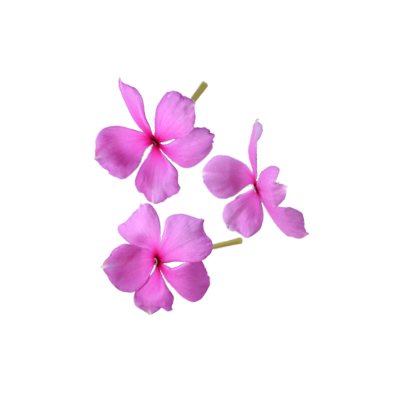
 Flowers
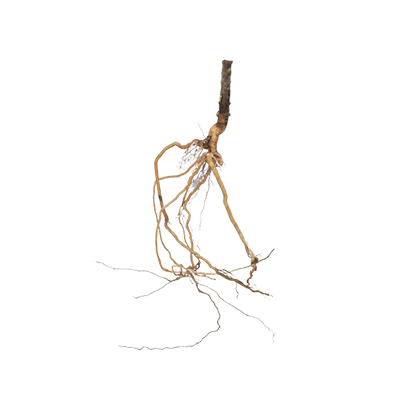
 Roots
Roots The Whole Plant
Growing Requirements
 Full Sunshine
 Need Shade
Habitat
 Riverbanks
 Forest
 Coastal
 Roadside
 Shrublands
 Grassland
Overview
Catharanthus roseus is native to Madagascar. The plant is widely cultivated as an ornamental plant throughout the tropic regions, sometimes also in subtropic regions. The plant species is now naturalized in many regions.
Vernacular Names
Tapak dara, bunga serdadu (Indonesia), Kemunting china (Malaysia), chichirica, kantotai, amnias (Philippines), Nom in, phakpot bok, phaengphuai bok (Thailand).
Agroecology
Madagascar periwinkle often grows in coastal locations. However, The plant also can be found in river banks, savanna, waste place, open forest, roadside, or curbs. Usually grows in sandy soil but is also found in rocky soil. can be found near sea level up to 1500 meters of altitude.
Morphology
- Stems - sometimes woody in base.
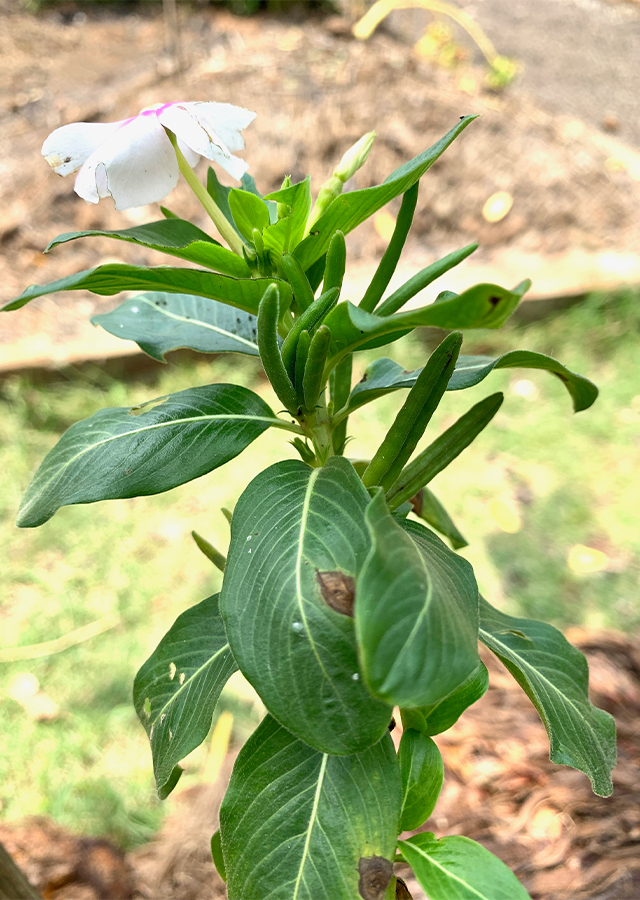
- Leaves - simple, decussate, elliptical to obovate or narrowly obovate, herbaceous to thinly leathery, glossy green above and pale green below.
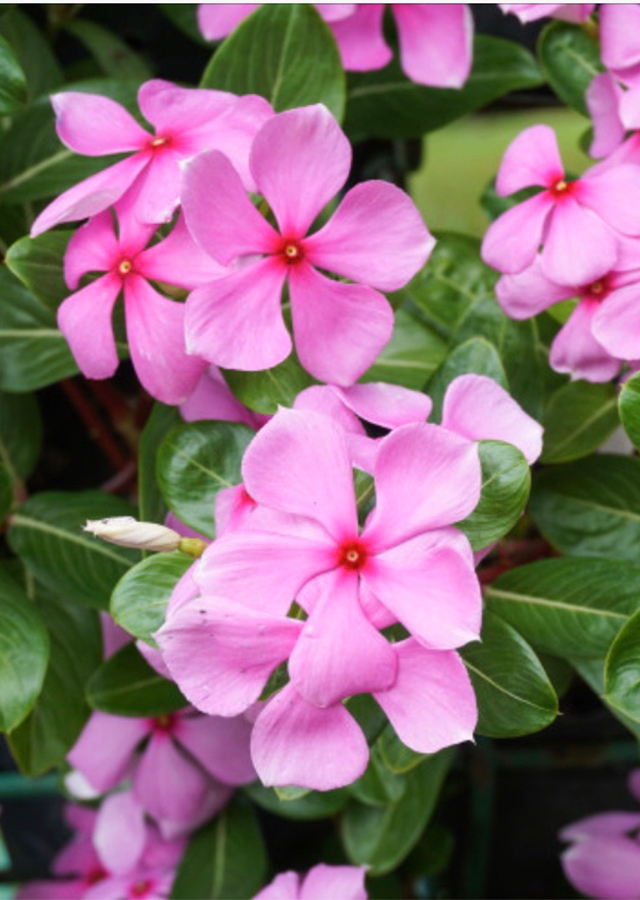
- Flowers - bisexual, 5-merous, sepals green in color, corolla tube salver-shaped pink, rose-purple or white with a purple, red, pink, pale yellow or white center.
- Fruit - 2 cylindric follicle 1 to 4 cm long, green, and many-seeded.
- Seeds - oblong, 1–2 mm long, black with rugose testa.
Cultivation
- Usually propagated seed.
- It may also propagate through greenwood or semi-ripe cuttings.
Chemical Constituents
- Vindoline, serpentine, catharanthine, ajmalicine, akuammine, lochnerine, tetrahydroalstonine, vincristine, vinblastine, vindesine vinorelbine, leurosidine, leurosine and numerous other chemical constituents.
Traditional Medicinal Uses
- All plant part is traditionally used to treat malaria, diarrhea, diabetes, cancer, and skin diseases.
- Leaves may be used as an antiseptic agent for wounds, hemorrhages, and toothache.
- The plant is also used as a diuretic, diaphoretic, relieving dyspepsia, dysentery, and wasp sting.
- The plant might also use as purgative, vermifuge, depurative, vomit induction, and to stop bleeding.
Part Used
Reference Sources
Rudjiman and Sutarno, H. 1999. Catharanthus roseus (L.) G. Don. In: de Padua, L.S. Bunyapraphatsara, N. and Lemmens, R.H.M.J. (Editor ): Plant Resources of South-East Asia No 12(1). Medicinal and poisonous plants 1. Backhuys Publishers, Leiden, the Netherlands. pp 185 - 190