Adamant creeper
Cissus quadrangularis L.
Vitaceae
Location in our garden
Principal
Synonym
Habitus

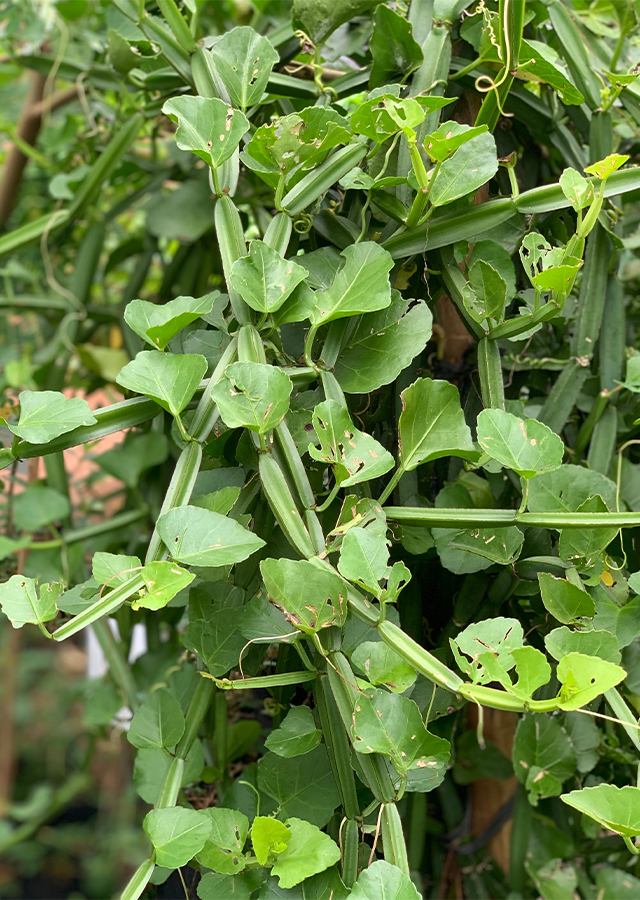
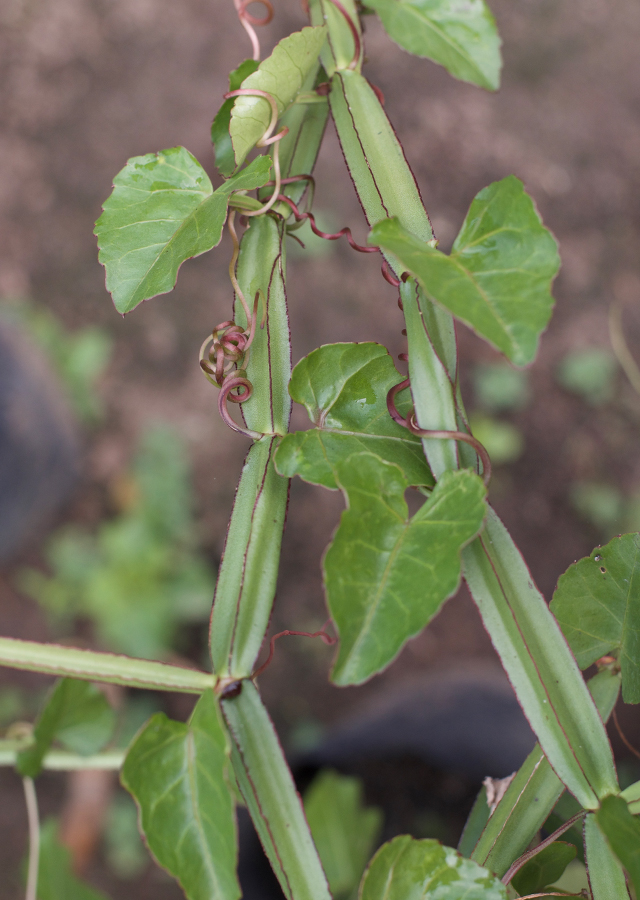
Climbers. A perennial herbaceous climber, 1 - 15 m long.
Part Used
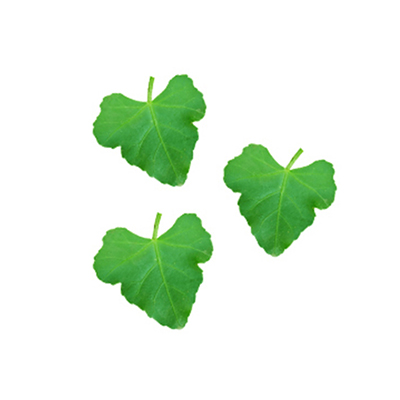
 Leaves
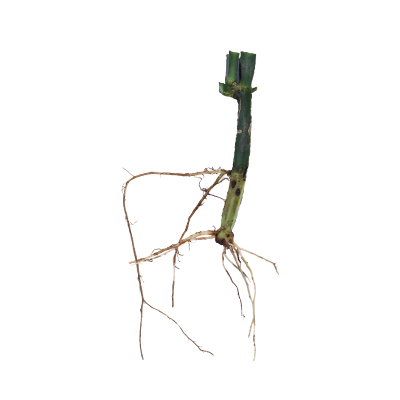
 Roots
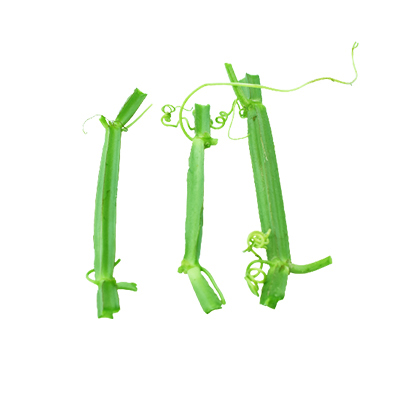
Roots Stem
Stem
Growing Requirements
 Full Sunshine
 Need Shade
Habitat
 Riverbanks
 Forest
 Shrublands
 Grassland
Overview
Ceylon cinnamon is native to tropical Africa, Arabia, India, and Sri Lanka. It has been introduced and can be found naturalised in some countries in Africa, as well as in Thailand, Vietnam, Indonesia, Singapore, the Philippines, Cuba, Jamaica, the Lesser Antilles, and the United States. It is cultivated in gardens both as a medicinal plant, especially in India and also for ornamental purposes.
Vernacular Names
Cissu de galam (French), Hadjod (India), Shazaung-let-set (Myanmar), Sugpon-sugpon (Philippines), Khankho (Thai), Dây xanh vuông (Vietnamese).
Agroecology
A plant of drier to arid regions, mainly in the lowland tropics and frost-free subtropics, though it can also be found at elevations over 2,000 m. It prefers to grow on well-drained soils with pH in the range of 6.1-7.8, in areas with full sun.
Morphology
- Stems - 4-angular, winged or ridged at angles, constricted at nodes; tendril simple.
- Leaves - simple, entire or 3-lobed, 2-5 x 2-5 cm, ovate-suborbicular or subreniform, base truncate, margin distantly spinulose-crenate, apex obtuse, thick-coriaceous; petiole to 1 cm long.
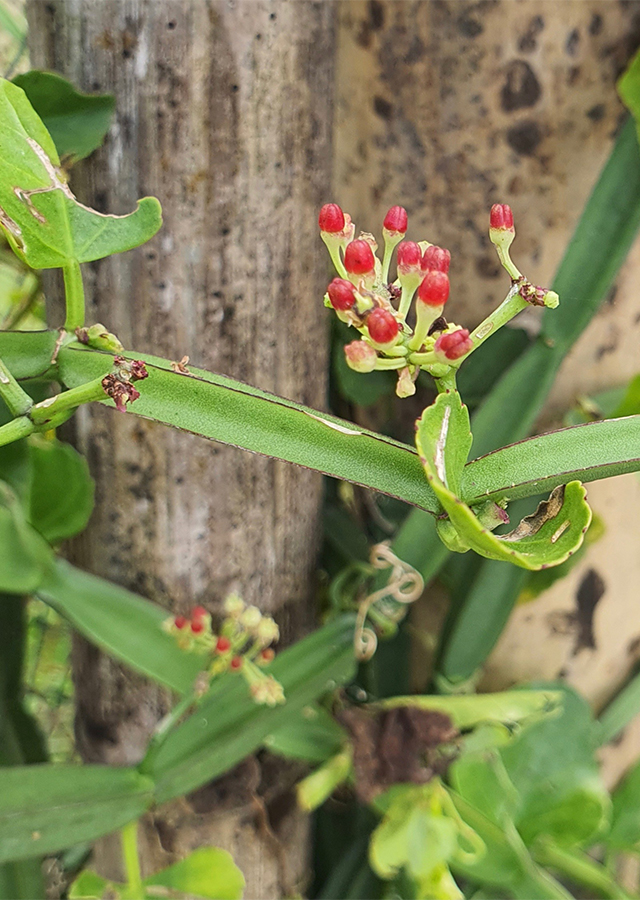
- Flowers - in leaf-opposed, peduncled, umbellate cymes. Calyx-tube obscurely 4-lobed, c. 2 mm long, reddish. Petals c. 2.5 mm long, ovate, acute, greenish-yellow, recurved. Stamens 4, filaments to 2 cm long.
- Fruits - 7 mm across, subglobose.
- Seeds - black and smooth.
Cultivation
- Propagation is by seeds and vegetatively by stem fragments (cuttings).
Chemical Constituents
- Flavonoids, phenolics compounds, tannins, triterpenoids, saponins, glycosides, n- hexadecanoid, carotenoids, triterpernoids, ascorbid acids.
Traditional Medicinal Uses
- It has been used to relieve dyspepsia, anorexia, flatulence, colic, seizures, tumours, epistaxis, asthma, abnormal menstrual disorders, inflammation, antibacterial infections, and obesity.
- The plant has potential as an active ingredient in preparations for the treatment of skin-ageing in post-menopausal women.
- Present data indicates the presence of marked antioxidant and anticancer behaviours in the extracts of aerial portions of Cissus quadrangularis.
- In Ayurvedic classical medicines, the plant is used to heal broken bones and injured ligaments and tendons.
- In India, the stem is given in asthma, and the powdered root is considered to be a specific in the treatment of fractured bones.
- In the Philippines, the stems are applied as an alterative for amenorrhea.
- In Thailand, the fresh stem is used in the treatment of haemorrhoids.
- The Maasai people of Kenya use this plant to relieve some of the symptoms of malaria.