Sky Fruit
Helminthostachys zeylanica (L.) Hook.
Ophioglossaceae
Location in our garden
Green House
Synonym
Habitus

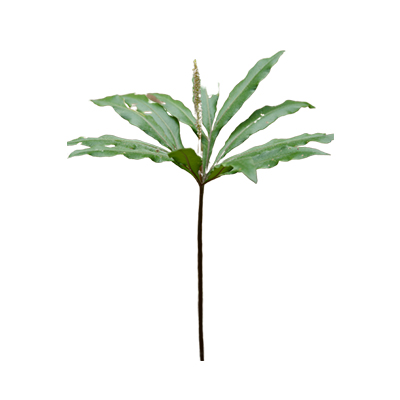
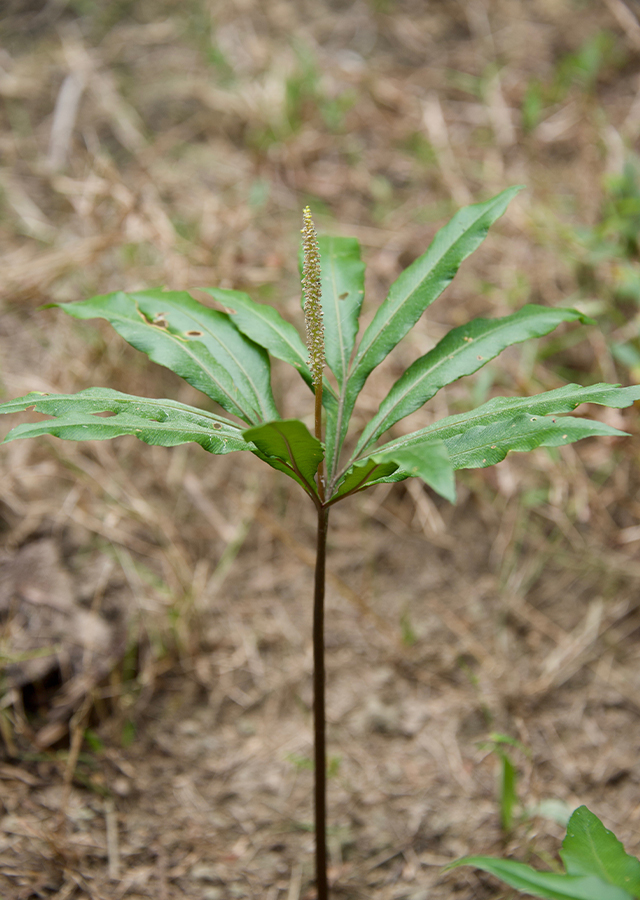
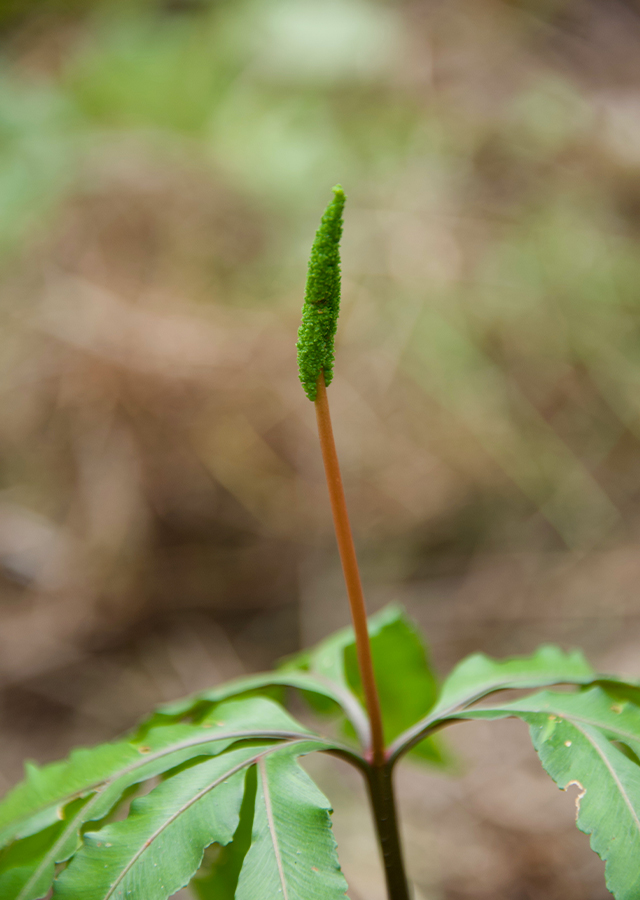
Fern. A terrestrial, herbaceous stipitate fern, growing from 15 - 40 cm tall.
Part Used
 Leaves
 Flowers
 Twigs
Twigs Rhizome
Growing Requirements
 Need Shade
Habitat
 Riverbanks
 Forest
Overview
It is native at low altitudes from India, Sri Lanka, China, and Taiwan, throughout South-East Asia to tropical Australia. It is widely distributed from Sri Lanka throughout South-East Asia to Australia and W. Pacific islands. An endangered species in China because of over-collecting for use in traditional medicine and because of habitat change. The plant is also grown as an ornamental in gardens.
Vernacular Names
Ekbir (Benggali-India), Ru di wu gong (Chinese), Akar paku (Malaysia), Tukod-langit (Philippines), Kut chong (Thai), S[aa]m d[aas]t (Vietnamese).
Agroecology
It often found in thickets, around bamboo clumps. In Lore Lindu National Park, Central Sulawesi, it is found growing in the submontane forests at an altitudinal range of 800–1,100 m asl. It prefers drained and humid soil with good concentration of organic matter.
Morphology
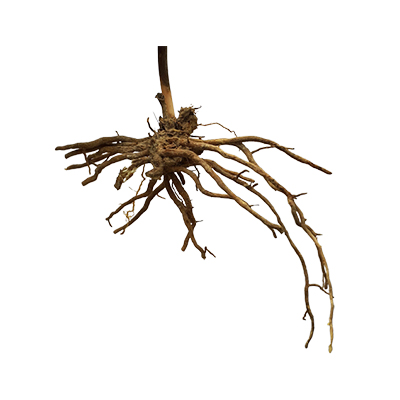
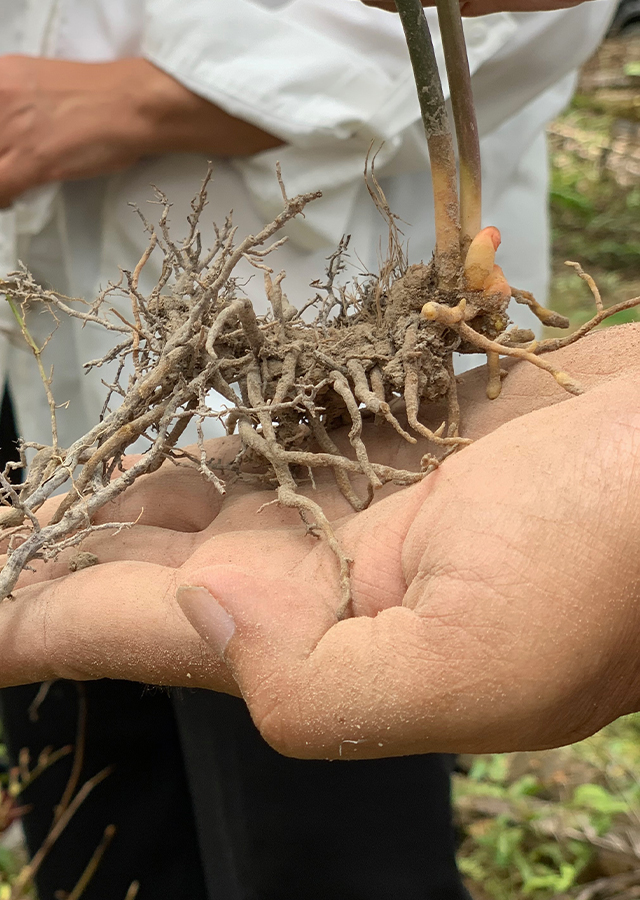
- Rhizome - 4–8 mm in diameter, roots with 1–2 mm in diameter, and is rather succulent for a terrestrial fern species.
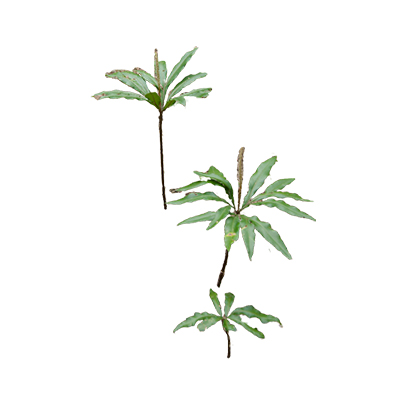
- Leaves - very variable with a single leaf, simply divided to opposite pinna, in a V arrangement or in some case a single leaf with a single long pinna. The leaves have segments, each in turn may be divided into two to five parts. Leaves are usually tripartite lamina, the whole lamina up to 22 cm long.
Cultivation
- Spores - best surface sown as soon as they are ripe and do not allow the compost to dry out. Placing the pot in a plastic bag helps to maintain a humid atmosphere which promotes germination and growth.
- Use rhizomes for propagation; preferably in shaded and moist area.
Chemical Constituents
- Stilbenes, flavonoids (ugonin A, B, C, and D, stigmasterol, fucosterol and dulcitol), ugonins, dihydroxy, dimethyl, dihydrofurano and quercetin.
Traditional Medicinal Uses
- The rhizome tissue shows antidiabetic property.
- Experiments have also shown some levels of cytotoxic activity.
- The plant is shown to possess melanogenesis modulating activity.
- The application of a formula consisting of H. zeylanica, ugonin and a compound for treating or preventing metabolic diseases, excessive fat accumulation, fatty liver, hepatic steatosis, liver cancer.
- Roots have been used for cough, dysentery, antipyretic, nose, and lung diseases.
- In Bangladesh, decoction of rhizome used in impotency, root juice used with other plants for treatment of jaundice, leaf juice used for tongue blisters.
- In India, powdered rhizome in cow's milk used as brain tonic and to increase vitality.
- In Malaysia, decoction of leaves used as tonic after childbirth, rhizome mixed with Piper betel for cough and venereal diseases.
- In Kalimantan-Indonesia, the leaves and rhizome are used to increase the ability to sustain prolonged physical or mental effort.