
Sweetsop
Annona squamosa L.
Annonaceae
Location in our garden
Orchard
Synonym
Annona asiatica L.
Annona cinerea Dunal
Xylopia frutescens Sieber ex C.Presl
Habitus

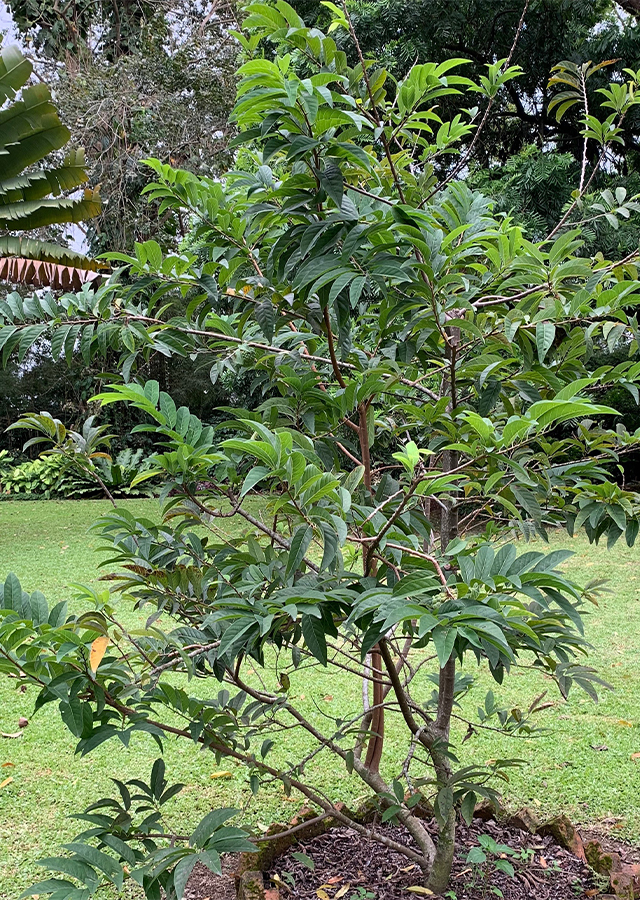
Trees. Sweetsop is a small semi-deciduous tree with an irregular crown. the tree can reach 3–8 m in height.
Part Used
 Leaves
 Seeds
Seeds Bark
Bark Fruit
Fruit Roots
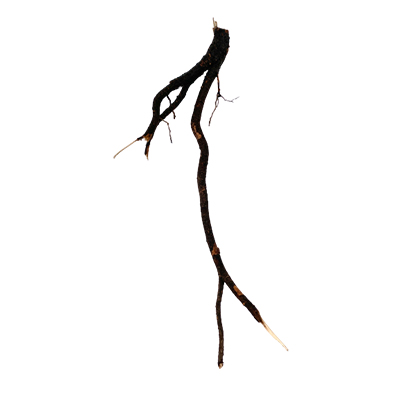
Roots
Growing Requirements
 Full Sunshine
 Drought Resistant
Habitat
 Terrestrial
Overview
Sweetsop is now widely cultivated in tropical and sub-tropical regions as a fruit plant. However, the species is originated in the Caribbean, Central America & Northeastern South America. Besides of it fruit properties, the plant is traditionally used as medicine for various illnesses.
Vernacular Names
Srikaya (Indonesia), custard apple, sugar apple, sweet apres (English), and sitaphal (India).
Agroecology
Sweetsop thrives on many soil types with good drainage. The plant may grow from sea level to 1,000 m in altitude. The plant is growing well in relatively stable conditions with a temperature range of 10-20 to 22-28 degrees Celcius.
Morphology
- Stem - evergreen, irregular crown, bark gray and thin.
- Leaves - oblong-lanceolate or lanceolate, alternate.
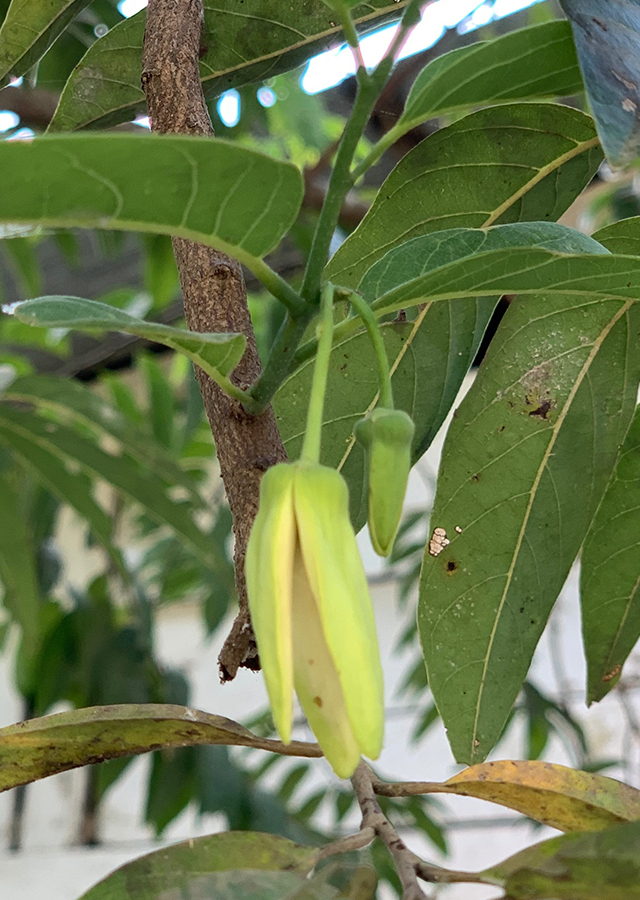
- Flowers - yellowish-green, fragrant, fleshy, extra-axillary, hanging down, single or in a group.
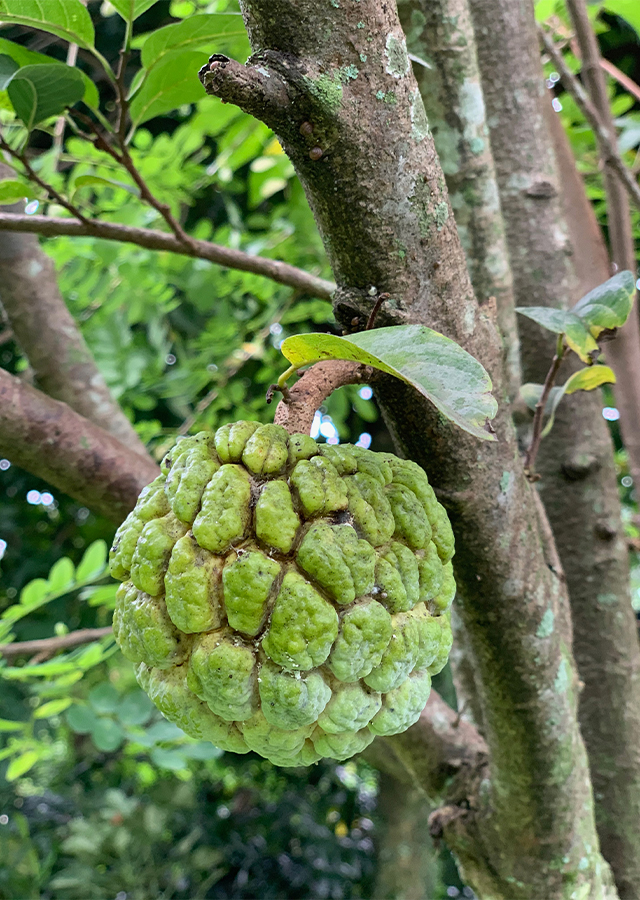
- Fruits - round, heart-shaped, ovate or conical, with many round protuberances, sweet and juicy flesh occurs in elongated segments.
- Seeds - black or brown, oblong, smooth, and shiny.
Cultivation
Commonly propagated through seed. Vegetative propagation by grafting or budding is also possible.
Chemical Constituents
Diterpenes, alkaloids, annonaceous acetogenins, cyclic peptides, and essential oil.
Traditional Medicinal Uses
- In the Ayurveda system, the sweetsop fruit is used as a tonic, alleviating vomit and stomach complaints.
- In Yunani medical system sweetsop fruit is used to remove hair lice.
- In the Cuban medicine system, sweetsop leaves are consumed to lower uric acid levels while the unripe fruit is used to cure diarrhea and dysentery.
- In Southern China, the seed extract is believed to be able to cure cancer. Like many other Annona species, the sweetsop plant part, including its bark is believed to be able to cure cancer.
- The leaves are also used to treat boils, ulcers, and prolapse in children.
- A poultice of sweetsop with salt is traditionally used to treat Guinea worm disease.
Part Used
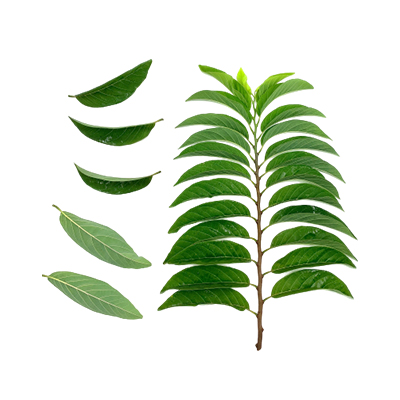
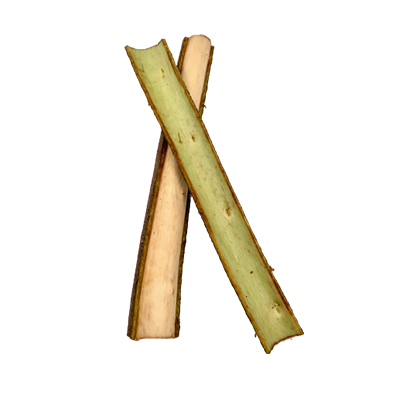
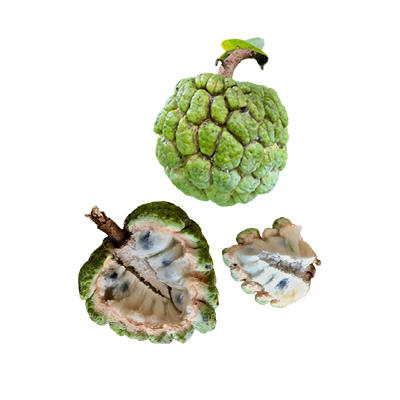
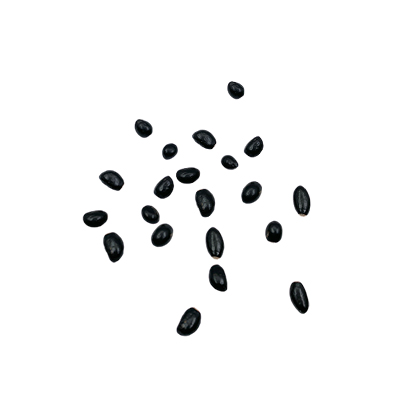
Reference Sources
- Flora & Fauna Web. 2021. https://www.nparks.gov.sg/florafaunaweb/flora/2/7/2713. 1 November 2021.
- Ma, C., Chen, Y., Chen, J., Li, X. and Chen, Y., 2017. A review on Annona squamosa L.: phytochemicals and biological activities. The American journal of Chinese medicine, 45(05), pp.933-964.
- Martínez-Maldonado, F.E., Miranda-Lasprilla, D. and Magnitskiy, S., 2013. Sugar apple (Annona squamosa L., Annonaceae) seed germination: morphological and anatomical changes. Agronomía Colombiana, 31(2), pp.176-183.