Longjack
Eurycoma longifolia Jack
Simaroubaceae
Location in our garden
Principal
Synonym
Manotes asiatica Gagnep.
Eurycoma latifolia Ridl.
Eurycoma merguensis Planch.
Habitus

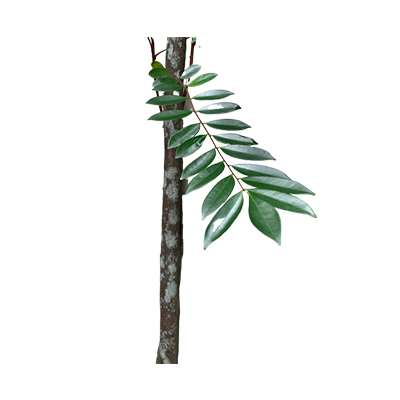
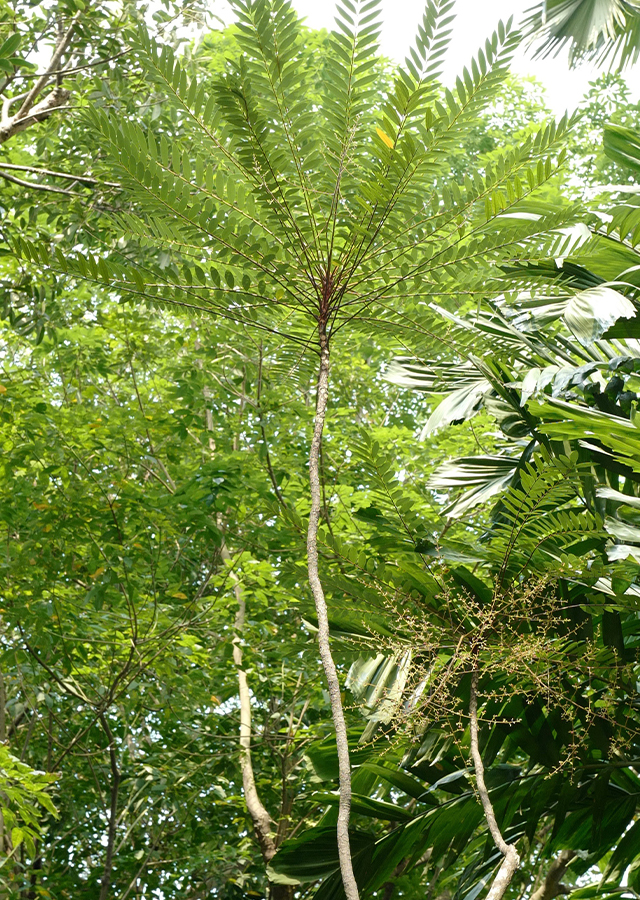
Trees. Small trees to 10 m, rarely shrubs, monoecious or dioecious
Part Used
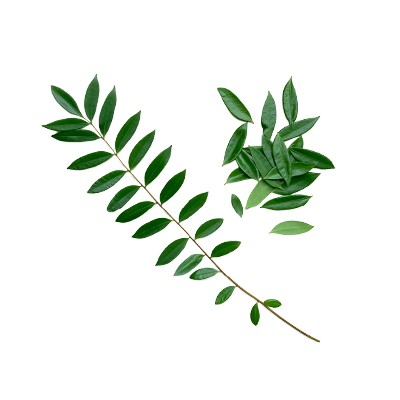
 Leaves
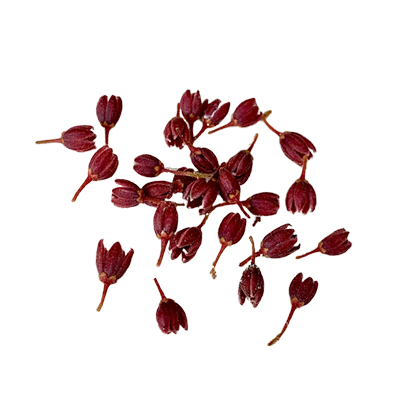
 Flowers
 Fruit
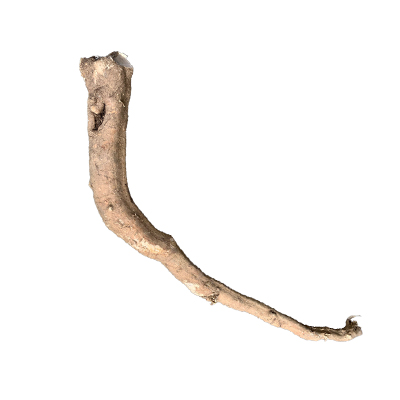
Fruit Roots
Roots Stem
Stem
Growing Requirements
 Full Sunshine
 Need Shade
Habitat
 Forest
Overview
Eurycoma longifolia is a popular traditional herbal medicine, native to Indonesia , Malaysia, Vietnam and also Cambodia , Myanmar, Laos and Thailand, and is a flowering plant of the Simaroubaceae family. E. One of the well-known folk medicines in Asia for aphrodisiac effects and intermittent fever (malaria) is longifolia.
Vernacular Names
Canne D’ali (French), Tongkat Ali (German), Nagaekasa (Japanese), Lan-Don (Thai), Cây Bá Bệnh (Vietnamese), Akar pasak bumi (Malay), Langir siam (Bahrain).
Agroecology
E. Longifolia prefers well-drained, acidic and sandy soils and is found at low altitudes up to 1200 m above sea level. The species occurs in beach forests, primary and secondary forests, Kerangas and submontane forests, secondary mixed dipterocarp, and also in heath forests. Plants have been reported to develop in areas with an average temperature of 25 ° C and 86 % humidity in Riau Province, Sumatra.
Morphology
- Roots - long twisted roots.
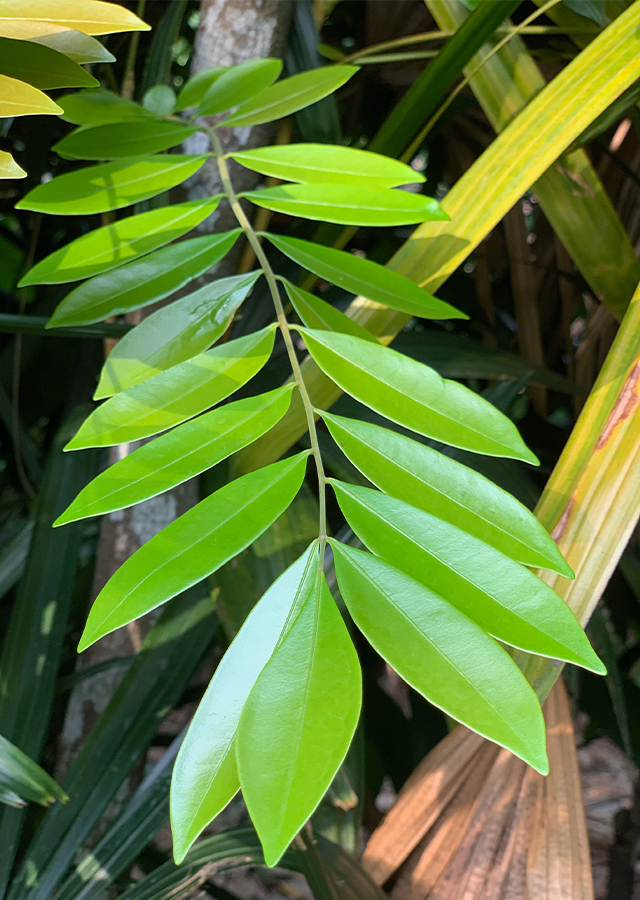
- Leaves - compound even pinnate, up to 1 m length. Each compound leaf is composed of 30- 40 lanceolate to obovate-lanceolate leaflets. Each leaflet is about 15-20 cm long, 1.5-6 cm wide, and the underside is much paler.
- Flowers - there are several reddish axes with dense and capitate glandular hairs in flowers in axillary determinate thryses.
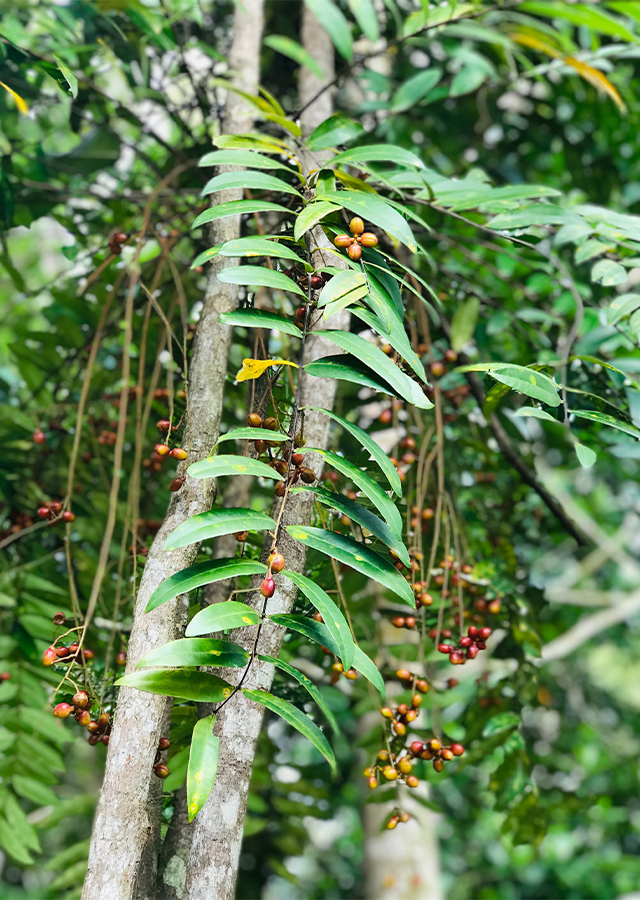
- Fruits - 1–5 are nut-like meri- carps, ovoid, bicarinate, 10–20 mm by 5–12 mm and yellowish brown when young and brownish red when ripe.
Cultivation
- The propagation of the plant is with seeds. It is fully mature and deep red in color and can be directly sown in the sand. Approximately 90% of the seeds will germinate after 6-8 weeks of sowing. Before field planting, the seedlings are transferred to polybags 15 cm x 20 cm. The sediment is best planted in the nursery for no more than 6 months in the field.
Chemical Constituents
- Quassinoids, β-carboline alkaloids, canthin-6- one alkaloids, triterpene-type tirucallane, squalene derivatives, and eurycolactone, eurycomalactone, laurycolactone, biphenyl neolignan and bioactive steroids.
Traditional Medicinal Uses
- All parts of the plant, the roots in particular, have been used medicinally for a long time. It is used for pain relief and has antibacterial and aphrodisiac effects.
- In the treatment of malaria, fevers, and intestinal worms, the roots, and especially the bark of the roots, are used as febrifuge.
- Root, root bark, and/or leaf) are used to lower blood pressure in Brunei Darussalam and Singapore).
- The roots are used as an antidote to intoxication in Cambodian herbal medicine, and to improve human strength when boiled or immersed in wine before drinking.
- The Batak people of North Sumatra are preparing a root decoction that is used to improve endurance and treat stomach pain , fever, and malaria.
- In East Kalimantan, Indonesia, men of the Kutai ethnic group drink an infusion of tap roots for backaches and aphrodisiac effects.
- It is used as a remedy for dysentery in Lampung and Belitung.