Balsam Apple
Momordica balsamina L.
Cucurbitaceae
Location in our garden
Principal

Synonym
Momordica garipensis E.Mey.
Momordica garriepensis Arn.
Momordica huberi Tod.
Habitus

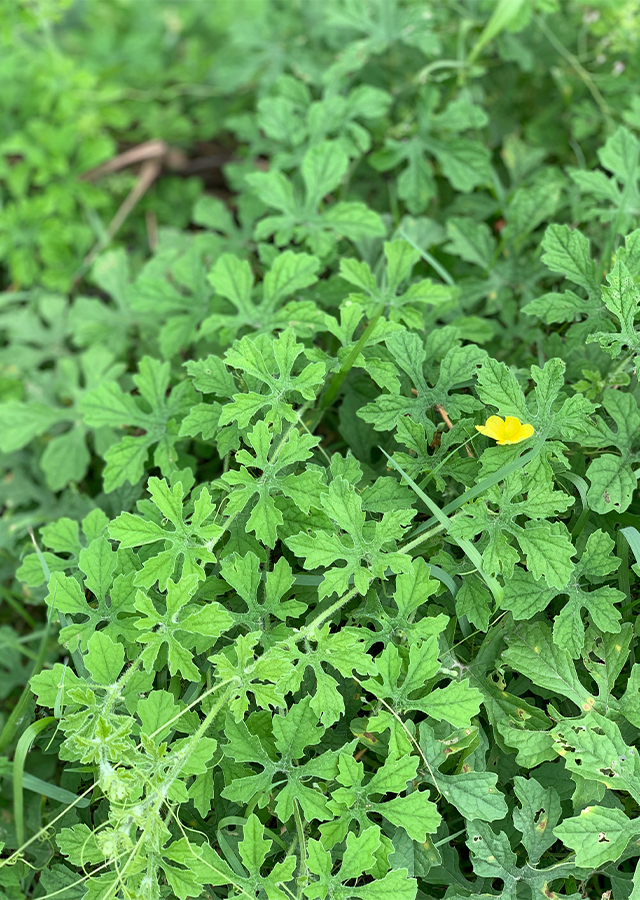
Climbers. A perennial climber stems, growing up to 5 m long.
Part Used
 Leaves
 Seeds
Seeds Fruit
Fruit
Growing Requirements
 Need Shade
Habitat
 Riverbanks
 Forest
 Coastal
 Grassland
Overview
Common Balsam Apple is native to Africa particularly in coastal areas. In Arabia, tropical Asia, India and Australia, it is also present and cultivated in gardens in Europe. The plant is cultivated for food and both as a medicinal plant, but is generally considered to be an invasive weed.
Vernacular Names
Jangli karela (Pakistan), Mokah (Saudi Arabia), Concombre balsamite (French), Balsamapfel (German), Balsamina (Spanish).
Agroecology
The plant can be cultivated in subtropical and warm temperate regions up to 1,465 m above sea level, in dry to wet areas with precipitation varying from 200 to 1,200 mm per year. It is only minimally immune to frost. It is present in the wild in sandy white, black , red and grey soils, as well as in loam, clay, alluvial, calcareous and gravelly soils. If optimum productions are to be achieved, it needs soil rich in organic matter. It occurs on sand, in forest, wooded grassland and riverine fringes in coastal bushlands.
Morphology
- Roots form a tuberous perennial rootstock
- Stem prostrate or scandent, very sparsely crisp-pubescent, especially at nodes. In other species, the plant can support itself by means of tendrils.
- Leaves up to 9 × 12 cm large, broadly ovate to suborbicular in outline, heart shaped, minutely punctate and laxly pubescent on veins beneath, very shortly sparsely setulose especially on veins above.
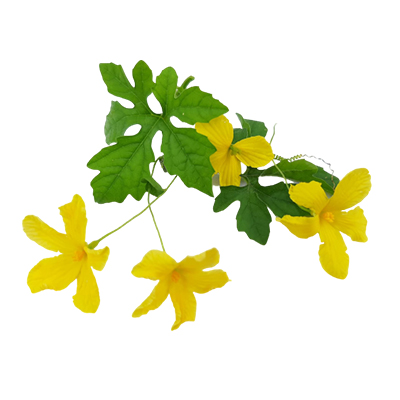
- Flowers are monoecious, solitary. Male flowers: Petals about 2 cm, pale yellow, cream or white, green- veined, dark at the base, obovate-oblong; Female flowers are green with petals about 1 cm large
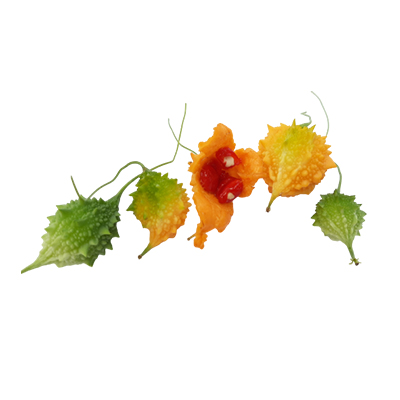
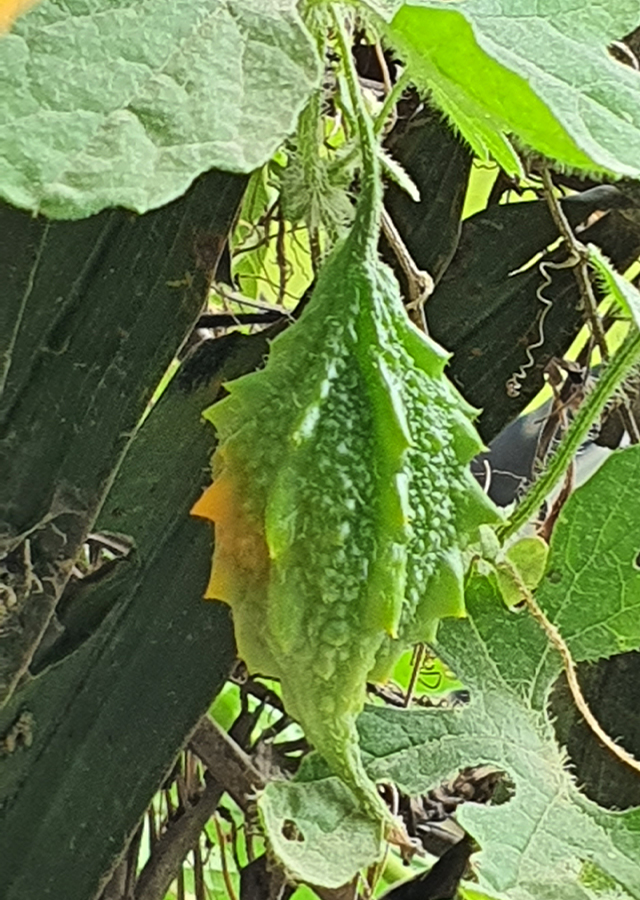
- Fruit is ovoid, up to 6 x 3 cm , rostrate, tuberculate, bright orange-red or red, dehiscent into 3 valves; fruit-stalk about 1,5 cm long.
- Seeds about 8x6x2 mm, enveloped in red foetid pulp, ovate in outline, more or less compressed, faces with slightly depressed centers and elevated sculptured edges; margins grooved.
Cultivation
- Propagation by seeds, sown directly in situ.
- For better growth provide support.
Chemical Constituents
- Resins, alkaloids, flavonoids, glycosides, steroids, terpenes, cardiac glycoside, saponins
Traditional Medicinal Uses
- Treatment of HIV, anti-plasmodial, shigellocidal, anti-diarrheal, anti- septic, anti-bacterial, anti-viral, anti-inflammatory, anti-microbial, hypoglycemic, antioxidant, analgesic, hepatoprotective, anthelminthic, treatment and prevention of hypertension and diabetes mellitus
- The leaves are used to treat fever and excessive uterine bleeding, as well as to treat syphilis, hepatitis, rheumatism and skin disorders.
- The fruits are used for curing wounds in Syria.