Burmese Rosewood
Pterocarpus indicus Willd.
Fabaceae
Location in our garden
Orchard
Synonym
Echinodiscus echinatus (Pers.) Miq.
Lingoum echinatum (Pers.) Kuntze
Lingoum indicum Kuntze
Habitus

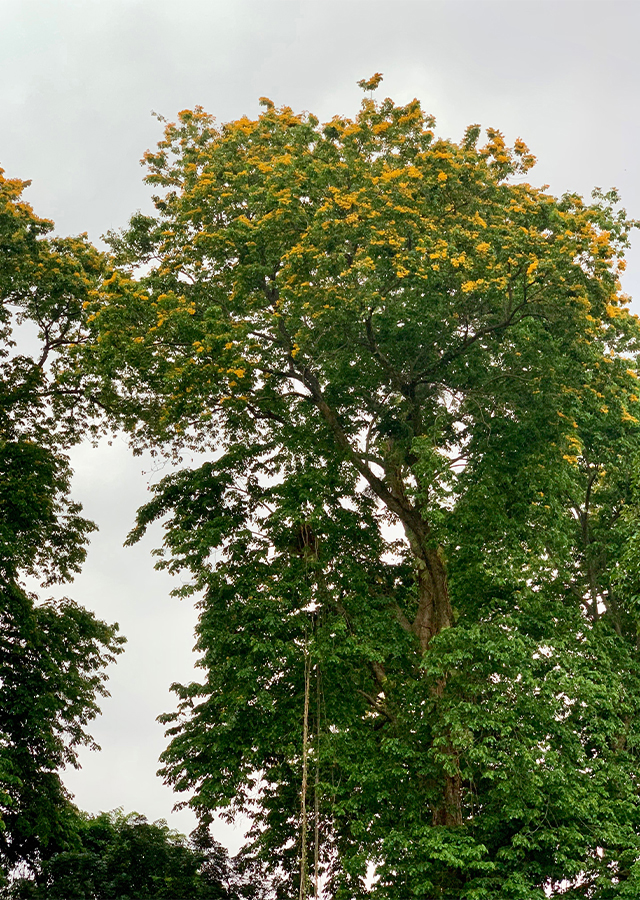
Trees. A big perennial tree, growing up to 33 m in height and 2 m in diameter
Part Used
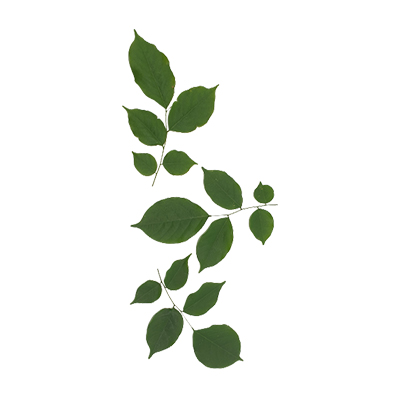
 Leaves
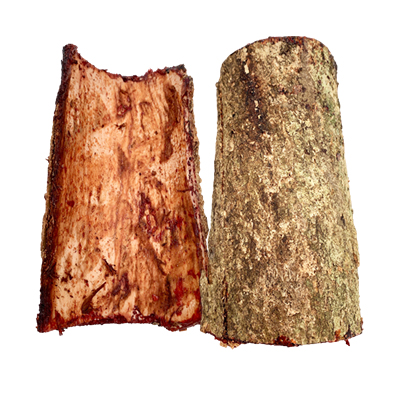
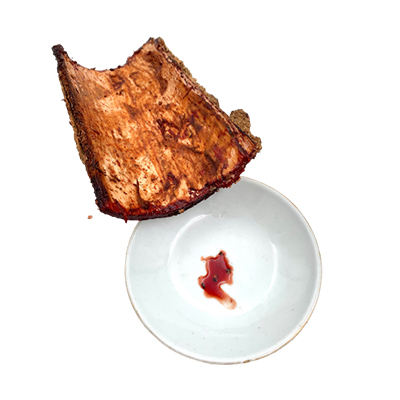
 Bark
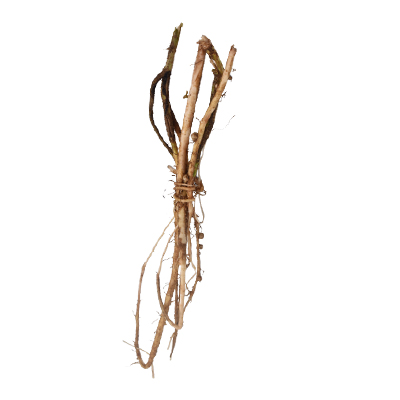
Bark Roots
Roots
Growing Requirements
 Full Sunshine
Habitat
 Riverbanks
 Forest
 Coastal
Overview
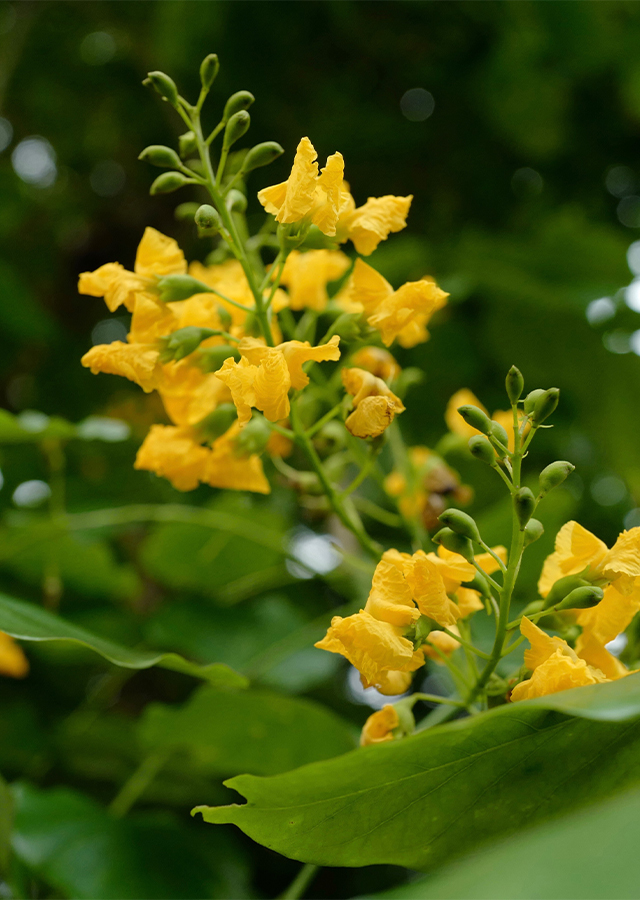
Burmese rosewood is native to tropical and temperate Asia and to parts of the Pacific region. It is a tree that produces sweet-scented gregariously yellow flowers with majestic reddish hard wood, a colourful wood ranks among the most valuable woods in the world, making the tree widely harvested for timber. It has been recommended for use in agroforestry systems for being a nitrogen-fixing tree. The tree has been classified as 'Vulnerable' in the IUCN Red List of Threatened Species (1998).
Vernacular Names
Padauk (Burmese), Zi tan (Chinese), Amboine (French), Vengai maram (Tamil-India), Sena (Malay), Narra (Philippines), Praduu baan (Thai).
Agroecology
Burmese rosewood can be found growing from near sea level to 1,300 m above sea level in areas receiving about 900 mm to 4,000 mm of mean annual precipitation and with mean annual temperatures ranging from 22 °C-32 °C. It prefers to grow in open areas, on a well-drained sands, sandy loams and clays, pH ranging from 4-7.4.
Morphology
- Bark - greyish.
- Leaves - compound, pinnate, 15-30 cm long, 7-11 leaflets, ovate to oblong-ovate, 5-10 cm long.
- Flowers - numerous, yellow, fragrant, about 1.5 cm long, on branched, axillary panicles.
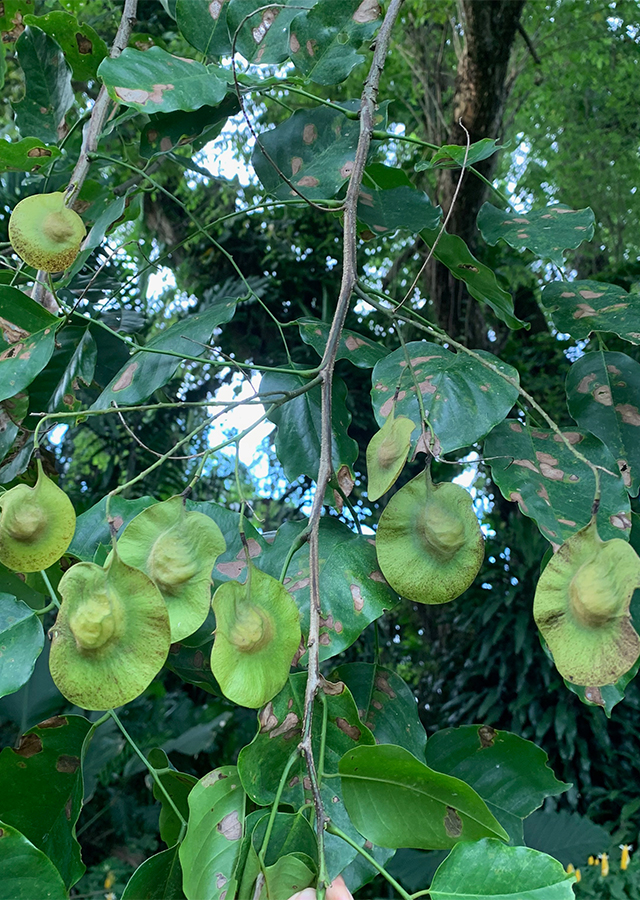
- Pods - disc-shaped, legume orbicular, 4-4.5 x 3.5-4.5 cm, shortly stalked, flat, slightly hairy and reticulate opposite seed, 1-seeded, broadly winged around margin, wing to 2 cm wide.
- Seeds - brownish, reniform, narrow and oblique.
Cultivation
- Propagated by seeds, which germinate in 8-100 days.
- Stem cuttings can be taken from trees of any age and size, prefer cuttings of diameter 6 cm or larger.
Chemical Constituents
Leaves: loliolide, paniculata diol, polypeptides acid. Flowers: lupeol and phytol ester. Stems: formononetin, iso liquiritigenin, hydroxy hydra topic acid, and aryl benzofuran
Traditional Medicinal Uses
Medicinal Uses
- The plant considered antibacterial, anti-bilious, and emetic.
- Studies have shown anti-asthma, immune-enhancing, antifungal, anticancer, antitermite, antiulcer, nephroprotective properties.
- It is taken for its astringent effect in chronic diarrhoea, leucorrhoea, blennorrhoea, and haemorrhages.
Traditional Uses
- The kino obtained from the trunk is sticky, bitter, and oily, is said to be antibilious, emetic, sternutatory, and is used to treat throat ailments, mouth sores, and is a folk remedy for tumours, especially of the mouth.
- The bark is chewed by females with irregular periods in order to induce menstruation. An infusion of the dried bark is used in the treatment of pneumonia. The juice of the fresh bark is applied topically to treat wounds and sores.
- The leaves are reported to significantly inhibit the growth of Ehrlich ascites carcinoma cells. The young leaves are applied externally to boils, prickly heat, and ulcers. An infusion of the young leaves is used in the treatment of constipation, stomach pains, fevers, asthma, and mouth ulcers. The fresh leaves are chewed with betel nut in order to ease coughs. The dried leaves are mixed with water and drunk daily as a treatment for headaches. The finely powdered leaves are applied to a ruptured vagina.
- The root juice is used to treat syphilis