
Hydrangea
Hydrangea macrophylla (Thunb.) Ser.
Hydrangeaceae
Location in our garden
Principal
Synonym
Hortensia japonica J.F.Gmel.
Hortensia mutabilis Schneev.
Hortensia nigra Carrière
Habitus

Shrubs. A perennial shrub, deciduous, growing up to 1-3 m
Part Used
 Leaves
 Flowers
 Roots
Roots Stem
Stem
Growing Requirements
 Full Sunshine
 Need Shade
Habitat
 Mountains
Overview
Hydrangea is a flowering plant, native to Asia and the Americas. By far the greatest species diversity is in eastern Asia, notably Korea, China, and Japan. It is used to make sweet tea, or "tea in heaven," used in Buddhist ceremonies. The older leaves can be dried, powdered, and used as a flavouring on foods and the young leaves and shoots are also eaten cooked.
Vernacular Names
Gartenhortensie (German), Amacha (Japanese), Su-guk (Korean), Bunga tiga bulan (Malaysia), Mil-flores (Spanish).
Agroecology
Best grown in rich, medium moisture, well-drained soils in part shade. Tolerates full sun only if grown in consistently moist soils. Soil pH affects the flower colour of most cultivars except white.
Morphology
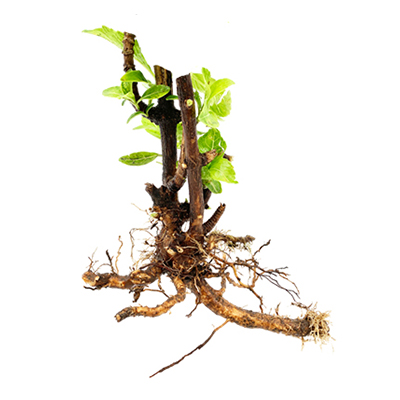
- Roots - brownish fibrous roots.
- Stems - erect, strong, woody and green, underground stem (rhizome).
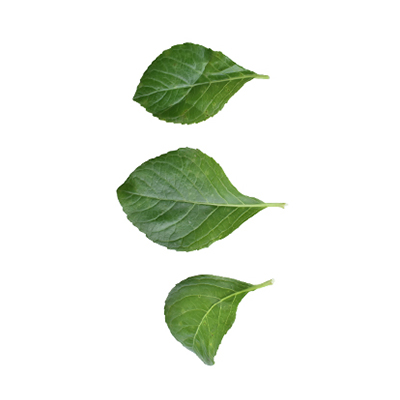
- Leaves - features serrate, opposite, acuminate, obovate to elliptic, dark green leaves, 10-20 cm long.
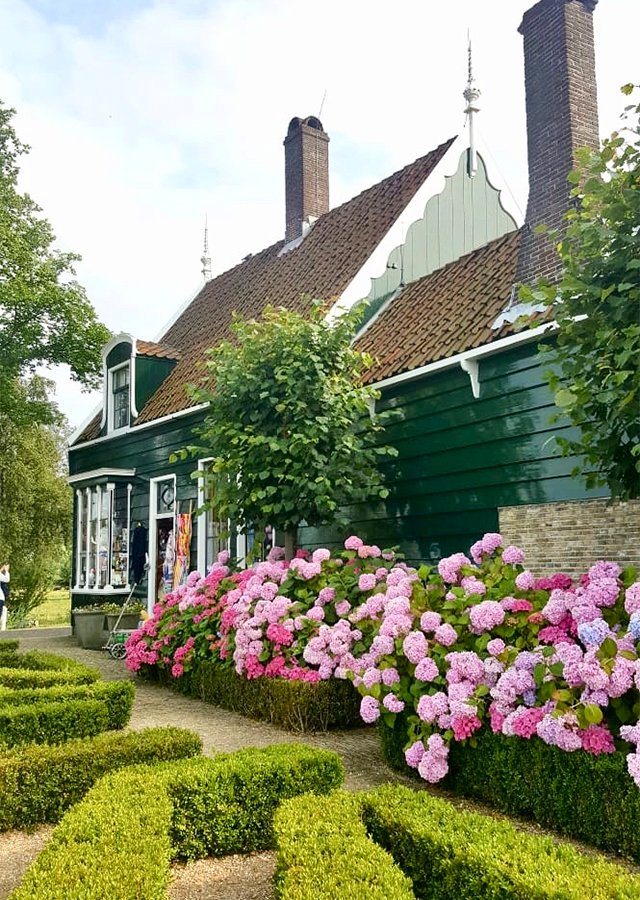
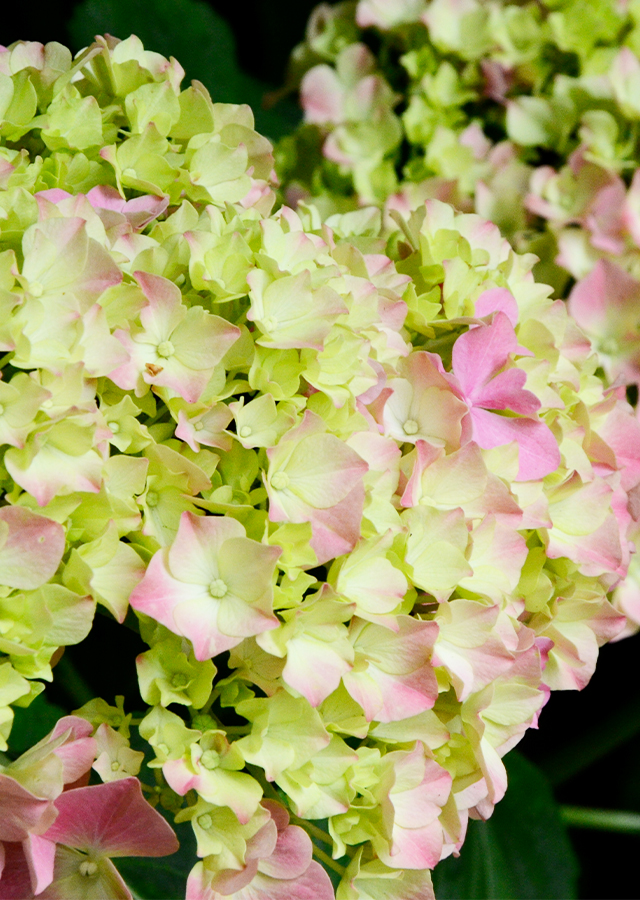
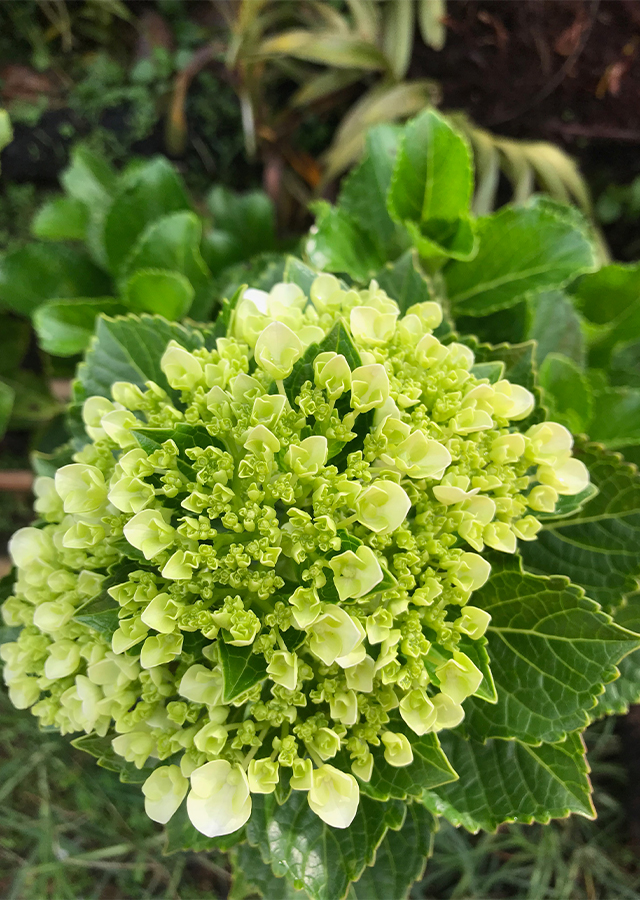
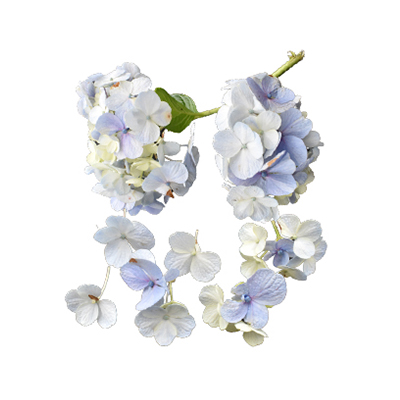
- Flowers - large clusters of long-blooming summer flowers in either lacecap form (flattened flower clusters of small fertile florets with scattered showy sterile florets often forming a marginal ring) or mophead form (globose flower clusters of mostly showy sterile florets), broadly oval sepals.
Cultivation
- Generative propagation is done by seeds.
- Vegetative propagation is by stem and shoot cuttings.
- The colour of hydrangea’s blooms by adjusting the soil pH. If you want blue blossoms, make the soil more acidic by adding iron sulfate. If you want pink blossoms, add lime to the soil to make it more alkaline.
Chemical Constituents
Isocoumarins, secoiridoid glucosides, phyllodulcin, poliphenols, flavonoids, triterpenoids/steroids, antraquinone, zeorin, betulinic acid, uridine, thymidine, adenosine, nicotinamide, methyl pyroglutamate, hydrangenol.
Traditional Medicinal Uses
Medicinal Uses
- Study evaluated the antimalarial activity of fractions isolated from the leaves, also antifungal and antiallergic effects is isolated from processed leaves.
Traditional Uses
- The leaves contain phellodulcin, a very sweet substance that can be used as a sugar substitute. One small leaf is sufficient to sweeten a cup of tea.
- The leaves, roots, and flowers are used for malaria, as antitussive and diuretic.
Part Used
Reference Sources
- PFAF. (No date). Hydrangea macrophylla. https://pfaf.org/user/Plant.aspxLatinName=Hydrangea+macrophylla. 09-01-2021
- Natural Medicinal Herbs. (No date). Hydrangea macrophylla. http://naturalmedicinalherbs.net/herbs/h/hydrangea-macrophylla.php. 31-08-2020
- ResearchGate. (No date). Chemical constituents and bioactivities of plants of the genus Hydrangea https://www.researchgate.net/publication/287627821_Chemical_constituents_and_bioactivities_of_plants_of_the_genus_Hydrangea 31-08-2020
- StuartXchange. (2014). Philippine Medicinal Plants. Hydrangea macrophylla (Thunb.) Ser.MOPHEADS http://www.stuartxchange.com/Hydrangea.html. 17-03-2021.
- WebMD. (No date). HYDRANGEA. https://www.webmd.com/vitamins/ai/ingredientmono663/hydrangea. 31-08-2020