
Coriander
Coriandrum sativum L.
Apiaceae
Location in our garden
Principal
Synonym
Bifora loureiroi Kostel.
Coriandropsis syriaca H.Wolff
Coriandrum diversifolium Gilib.
Habitus

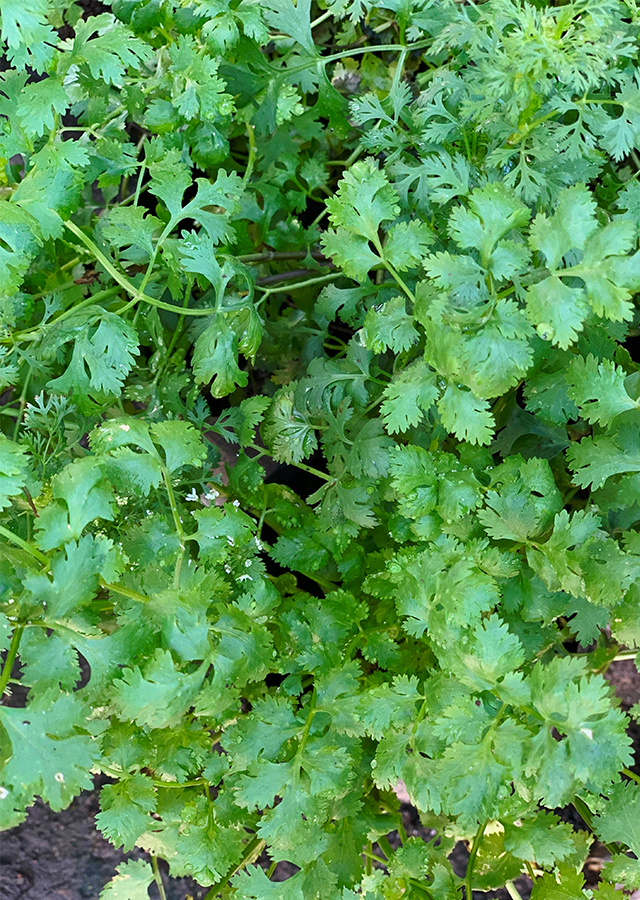
Herbaceous. An erect, much-branched, annual plant, growing 50 - 160 cm tall.
Part Used
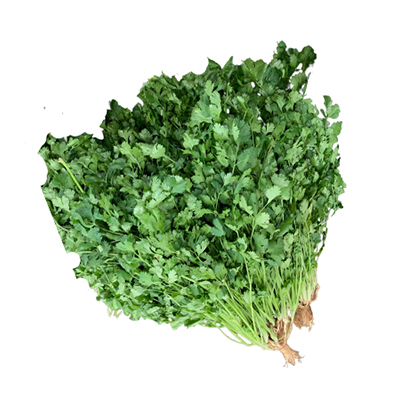
 Leaves
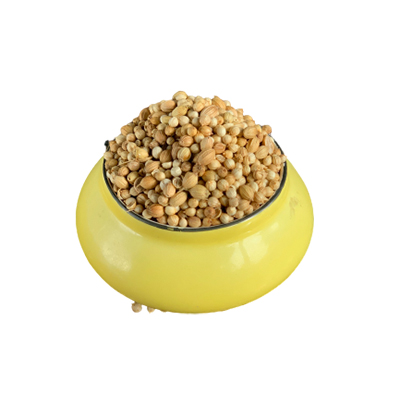
 Seeds
Seeds Fruit
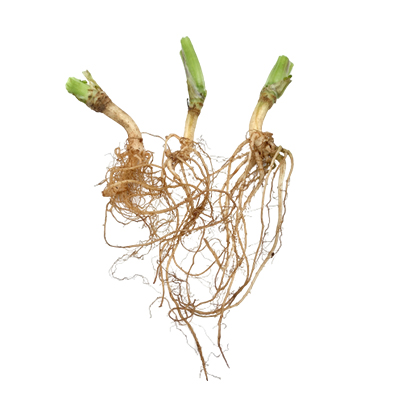
Fruit Roots
Roots
Growing Requirements
 Full Sunshine
 Need Shade
Habitat
 Riverbanks
 Roadside
 Grassland
Overview
Coriander has its origins in the Middle East. From two directions, Coriander entered South-East Asia: forms with ovoid fruits were introduced from India, while forms with small globular fruits arrived from China later (after 400 AD). Only recently have forms with big, globular fruits been introduced from the Mediterranean or European countries. In South-East Asia, coriander is grown as a culinary herb and vegetable.
Vernacular Names
Coriandre (French), Echter Koriander (German), Almindelig korander (Dutch), Koendoro (Japanese), Nannan (Burmese), Kulantra (Philippine), Phakhchi (Thailand).
Agroecology
It is possible to expand the plant from the temperate zone to the tropics. In the tropics, it succeeds at elevations up to 2,200 meters, and though it grows well, it seldom forms seeds at elevations below 500 meters. In areas where annual daytime temperatures are within the 15-25 °C range, but can withstand 4-32 °C, it grows best.
Morphology
- Stem - solid, subterete, up to 2 cm in diameter; older internodes sometimes becoming hollow, sulcate, often with a white bloom, light green with darker green ribs, sometimes violet.
- Leaves - alternate, more variable in form, size and number, with up to three-quarters of the diameter of a yellow-green, scariously marginalized sheath surrounding the supporting stem.
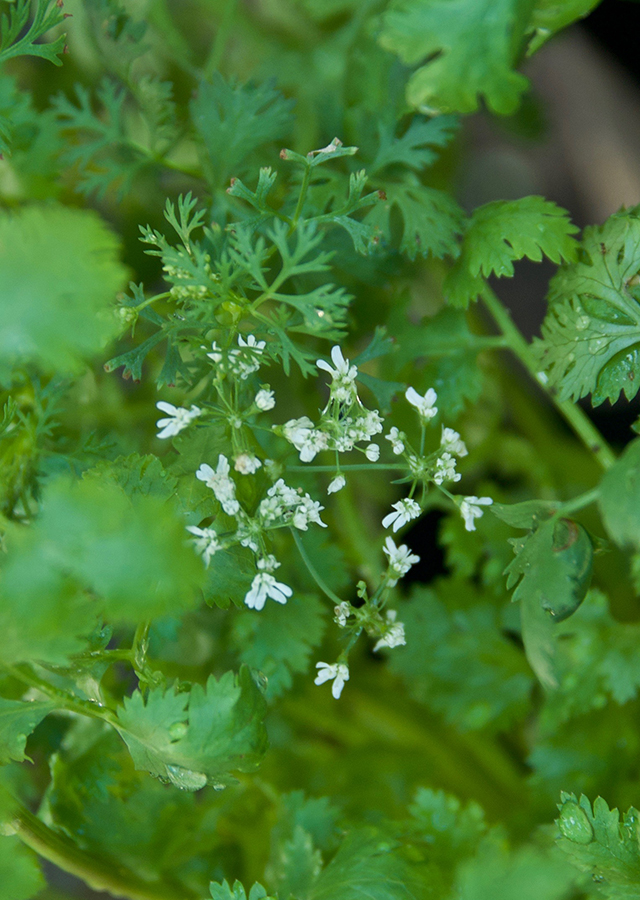
- Flowers - inflorescence and indeterminate, typically every umbellet has peripheral bisexual flowers, and sometimes the central flowers are male; calyx in all flowers, defined by 5 small lobes; corolla, heart-shaped, with 5 white or light pink petals.
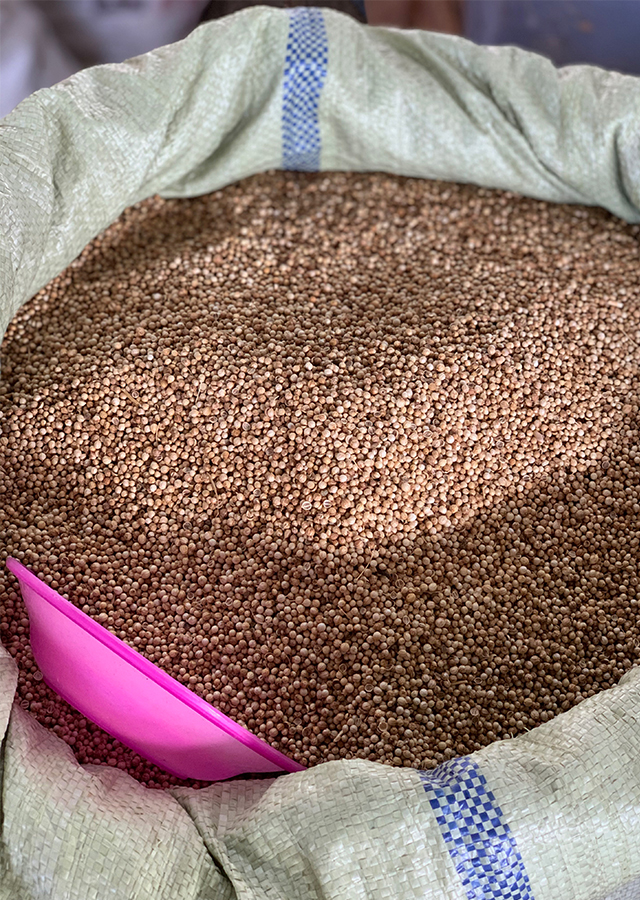
- Fruit - an ovoid to globose schizocarp with a diameter of up to 5 mm, yellow-brown with 10 straight longitudinal ribs alternating with 10 wavy longitudinal ridges, frequently topped with styles of dry permanent calyx lobes and stylopodium; the fruit generally does not break when ripe.
- Seed - 1 per mericarp, with testa attached to the fruit wall.
Cultivation
Coriander is seed-propagated. After harvest or before sowing, either artificially or by exposure to the sun, heat treatment of the fruits can encourage physiological ripening and break dormancy.
Chemical Constituents
- Linalool, α-pinene , γ-terpinene, geranyl acetate, camphor, geraniol, phenolic acid, tannins, flavonoids, triterpenoids, saponins, steroids, alkaloids, benzofuran, dodecanoic acid.
Traditional Medicinal Uses
- Carminative, diuretic, tonic, stomachic, antibiliary, refrigerant, anticatarrhal, antispasmodic, galactagogue, emmenagogue and aphrodisiac effects are documented in the fruits.
- Aqueous coriander extract contains phenolic acids that have antioxidant activity.
- The essential oil extracted from coriander is used in the treatment of indigestion, rheumatism, joint pain and as a carminative agent.
- The raw seed is chewed to stimulate the flow of stomach acids and to alleviate bad breath, and it will sweeten the breath after eating garlic. Externally, the seeds have been used as a lotion or as a poultice to relieve rheumatic pains.
- It's recommended for anxiety and insomnia in Iranian folk medicine.
- Fruit infusion is used for dyspepsia.
- New plant juice is used for erythemes.
Part Used
Reference Sources
- Alev Önder. 2018. Coriander and Its Phytoconstituents for the Beneficial Effects, Potential of Essential Oils, Hany A. El-Shemy, IntechOpen, DOI: 10.5772/intechopen.78656.
- Datiles M J, 2015. Coriandrum sativum (coriander). Invasive Species Compendium. Wallingford, UK: CABI. DOI:10.1079/ISC.15300.20203483177.
- Tropical Plants Database, Ken Fern. tropical.theferns.info. 2021-12-05. .
- Yan sui. 2019. Coriandrum sativum Linn. Coriander. Stuartxchange.org. http://www.stuartxchange.com/Cilantro (Accessed 14-11-2020).