
Round Cardamom
Wurfbainia compacta (Sol. ex Maton) Skornick. & A.D.Poulsen
Zingiberaceae
Location in our garden
Principal
Synonym
Alpinia striata Link
Amomum cardamomum Willd.
Amomum compactum Sol. ex Maton
Habitus

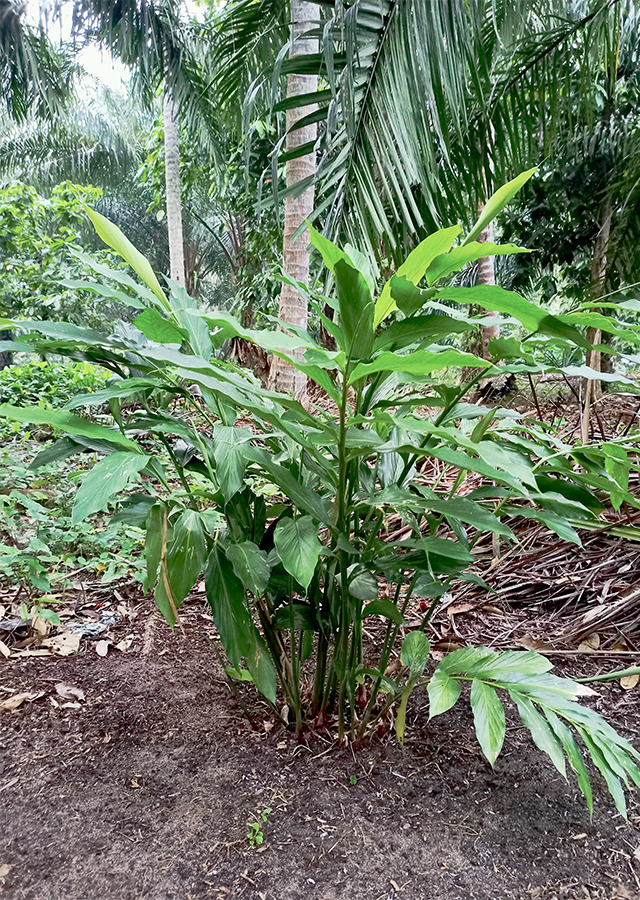
Herbaceous. A robust, perennial, aromatic herb, up to 2 m tall
Part Used
 The Whole Plant
Growing Requirements
 Need Shade
Habitat
 Forest
Overview
Compactum has native range from Sumatera to the lower hills of Western Java. The peppery, ginger-like taste of round cardamom seeds helps to sweeten the breath and to appetize food as a warm aromatic spice. They are often considered to have a taste that is more valuable than the actual seed of cardamom (Elettaria cardamomum (L.) Maton), for which they often serve as a substitute. An essential oil used in the perfume and flavour industry is developed by steam seed distillation.
Vernacular Names
Ronde kardemom (Dutch), Amome à grappe (French), Javakardamom (German), Kepulaga (Malay), Kapulaga Jawa (Indonesia).
Agroecology
In Java, in primary and teak forests, this plant grows wild. It prefers an average annual temperature of 23-28 °C, constant high relative humidity, 2,500-4,000 mm of annual precipitation (at least 136 rainy days), partial shade (not well tolerated in arid conditions and direct sunlight). Well-drained soils with a pH of 5 to 6.8 and a high content of organic matter are favored. Latosols, andosols, alluvials, and red-yellow podsols with a loamy or sandy loam texture are favorite soil types. The highest yields are obtained at 300-500 m altitude in the tropics.
Morphology
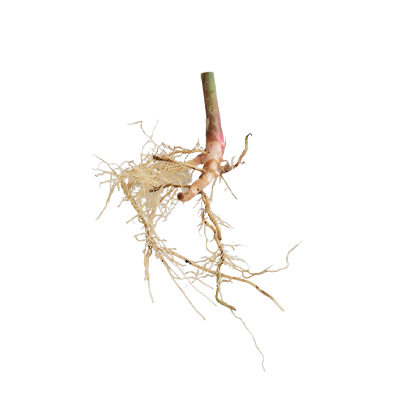
- Rhizome - hard, subterete, yellow-white, covered with red-brown, glabrous scales and leafy stem terete.
- Leaves - alternate, distichous, sessile, sheathed, smelling strongly of turpentine when bruised; shiny green with numerous initially white dots that turn blood-red.
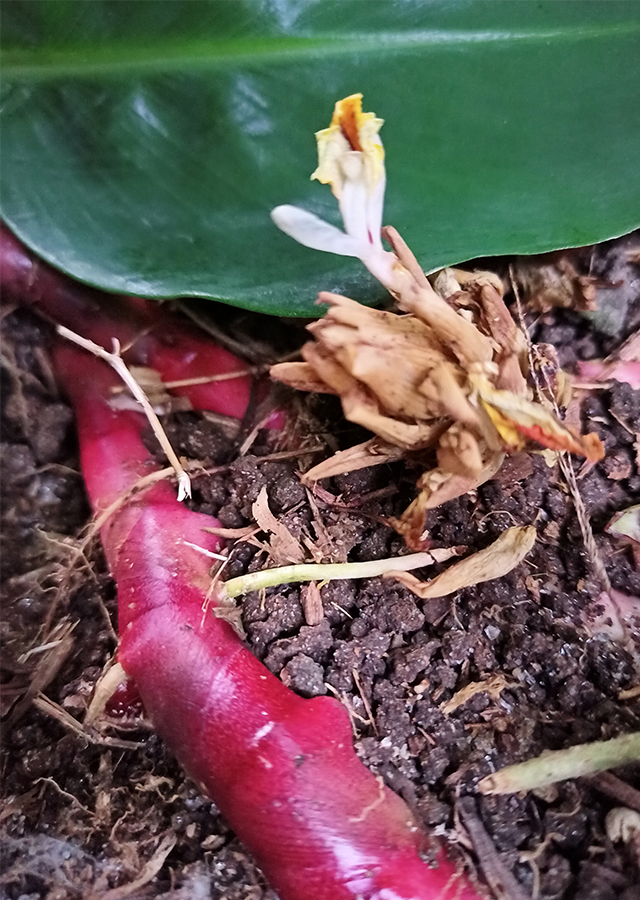
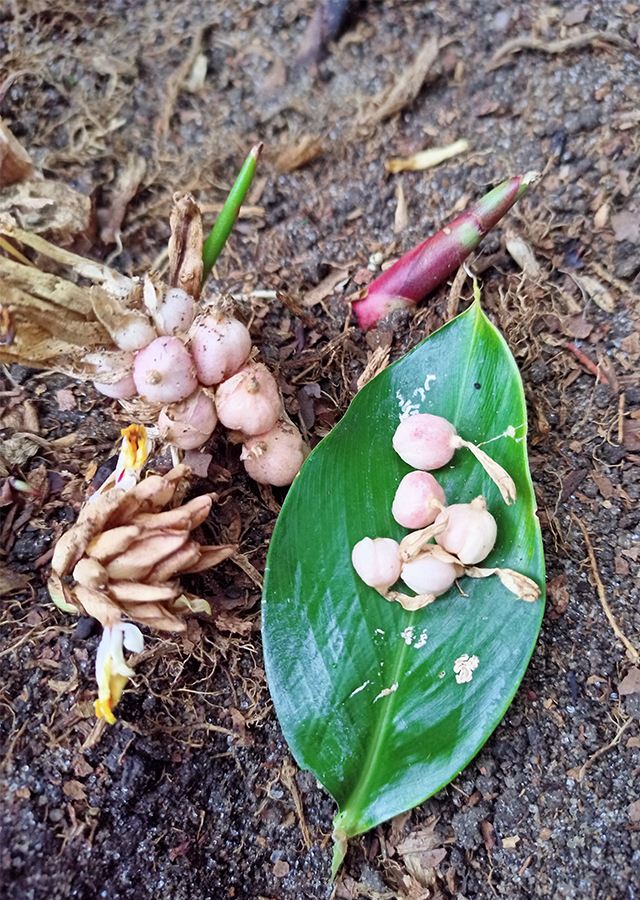
- Flowers - inflorescence sprouting laterally from the rhizome, flower-bearing spike-like, ellipsoidal or oblongoid portion of the inflorescence, in more ovoid berries, each covering a bracteole with a sessile flower; hairy, white or yellowish, tubular corolla, narrowed and stalk-like at the base, inside hairy.
- Fruits - a depressed globose capsule, 1-1.5 cm in diameter, densely striate and silky hairy, crowned by the remnants of the flower, yellow-white.
- Seeds - polygonal, obtuse, about 4 mm long with white aril.
Cultivation
Propagated by seed but most commonly rhizome cuttings or offsets of the plant clump.
Chemical Constituents
Essential oils, terpineol, linalyl asetat, 1,8-cineol, saponins, flavonoids, linalool, sabinene, limonene, polyphenol, terpenoids, sesquiterpenes.
Traditional Medicinal Uses
- The plant is used to treat coughs and colds.
- The seeds are stomachic and tonic.
- To control hypertension, as diuretic, antifungal, and antiulcer.
- The seeds are used as a stomach, a cure for colds and coughs, and a tonic, particularly after childbirth. To sweeten the breath, the seeds are chewed.
- The entire plant is drunk with a decoction as a tonic and to alleviate rheumatic pain.
- Dried crushed rhizomes are taken to relieve fever and to combat digestive pains.
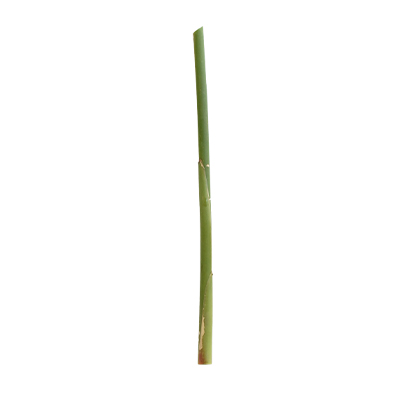
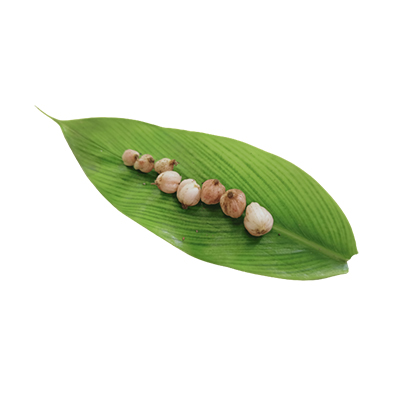
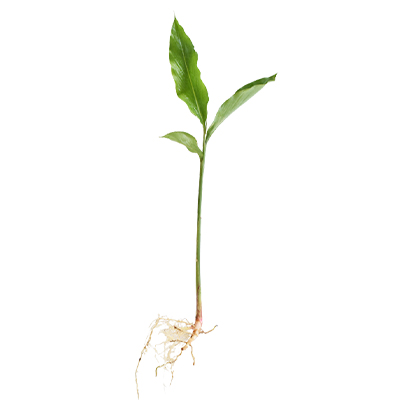
Part Used
Reference Sources
- Fern, K. (2019). Useful Tropical Plants Database. Amomum compactum Sol. ex Maton. http://tropical.theferns.info/viewtropical.php?id=Amomum+compactum. (Accessed 28-09-2020).
- GBIF. (No date). Backbone Taxonomy. Amomum compactum Sol. ex Maton in GBIF Secretariat (2019). Checklist dataset https://doi.org/10.15468/39omei. GBIF.org. (Accessed 28-09-2020).
- Wolff, X.Y., and Hartutiningsih. 1999. Amomum compactum Soland. ex Maton. In: de Guzman, C.C. and Siemonsma, J.S. (Editors): Plant Resources of South-East Asia No 13. Spices. Backhuys Publishers, Leiden, the Netherlands. pp.68 - 71.