
Lime
Citrus x aurantiifolia (Christm.) Swingle
Rutaceae
Location in our garden
Orchard
Synonym
Citrus amblycarpa (Hassk.) Ochse
Citrus × excelsa Wester
Citrus × javanica Blume
Habitus

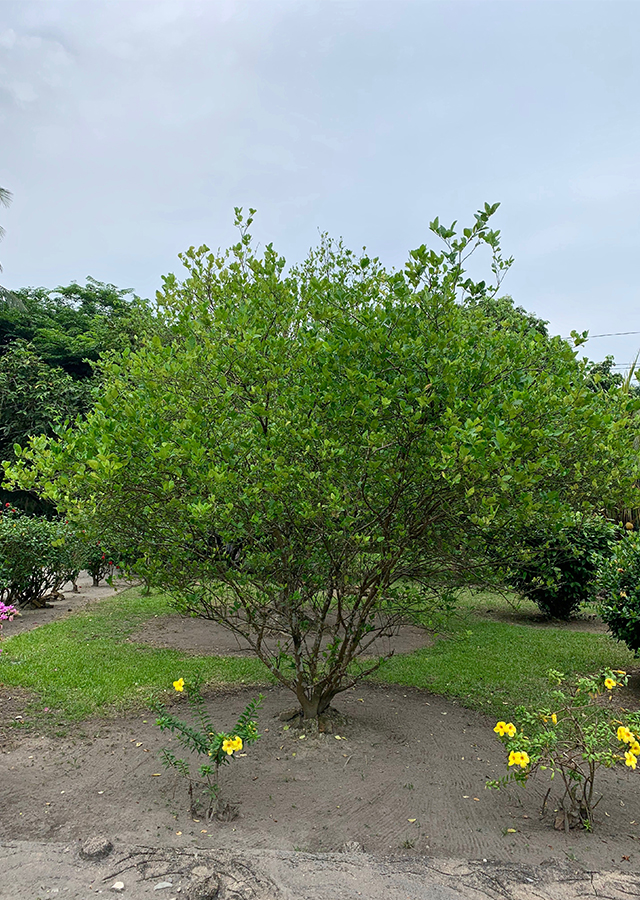
Shrubs. A small evergreen tree or shrub with densely and irregularly branched, it can reach to 5 m tall
Part Used
 Leaves
 Fruit
Fruit Roots
Roots
Growing Requirements
 Full Sunshine
 Drought Resistant
Habitat
 Terrestrial
Overview
This plant is only known in cultivated form (cultigen) and none of wild types are found. Therefore, its native habitat range is unknown but some authors believed that it could be originated from Northern of Malesia region (botanical region that covered Brunei, Indonesia, Malaysia, Philippines, Singapore, and Papua New Guinea), northern of India (particularly assam region) and Myanmar. This plant is identified as artificial hybrid between three Citrus species. One of probable ancestor is Citrus maxima. It is believed that the Arabs introduced the fruit from the east into northern Africa and then by the crusaders to European mediterranean. Nowadays, lime is widely cultivated through out of tropical areas and in warm subtropical region.
Vernacular Names
Lai meng (Chinese), Citronnier gallet (French), Limettenbaum (German), Raimu (Japanese), Jeruk nipis (Indonesia), Limau nipis (Malaysia), Dayap (Philippines), Manao (Thai).
Agroecology
Lime can be cultivated at low to mountainous region (up to 2,200 m elevation). The optimum of daily temperature range is 25-30°C. This plant is competitive in areas that receive annual rainfall between 700-1,000 mm. Best grown in under full sun and in loamy soil with good drainage but still can keep the moist. The range of suitable soil pH is wide but best at 6-6.5. This shrub is relatively drought resistance but not to cold.
Morphology
- Stems - dense and irregular branches, twigs armed with short, stiff, sharp spines.
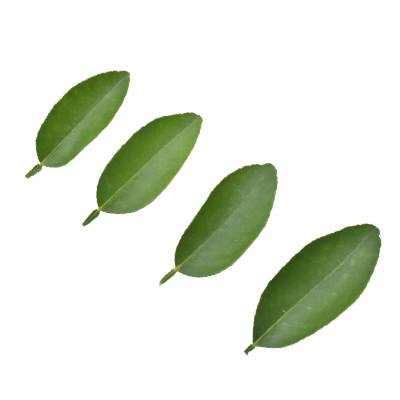
- Leaves - alternate, elliptic to oblong-ovate, 4-8 x 2-5 cm, margin crenulate; petioles narrowly winged.
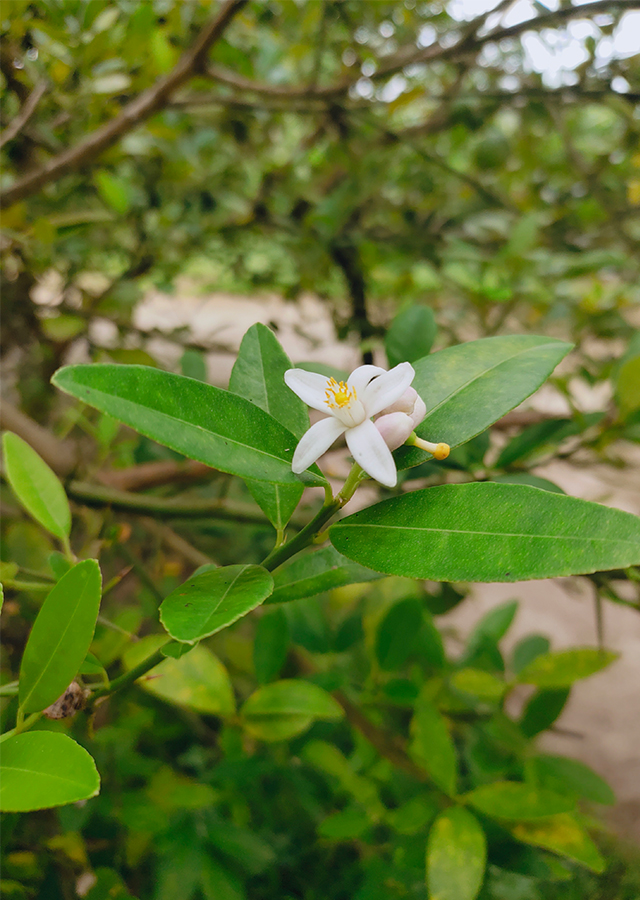
- Flowers - short axillary racemes, small, white in bud; calyx cup-shaped.
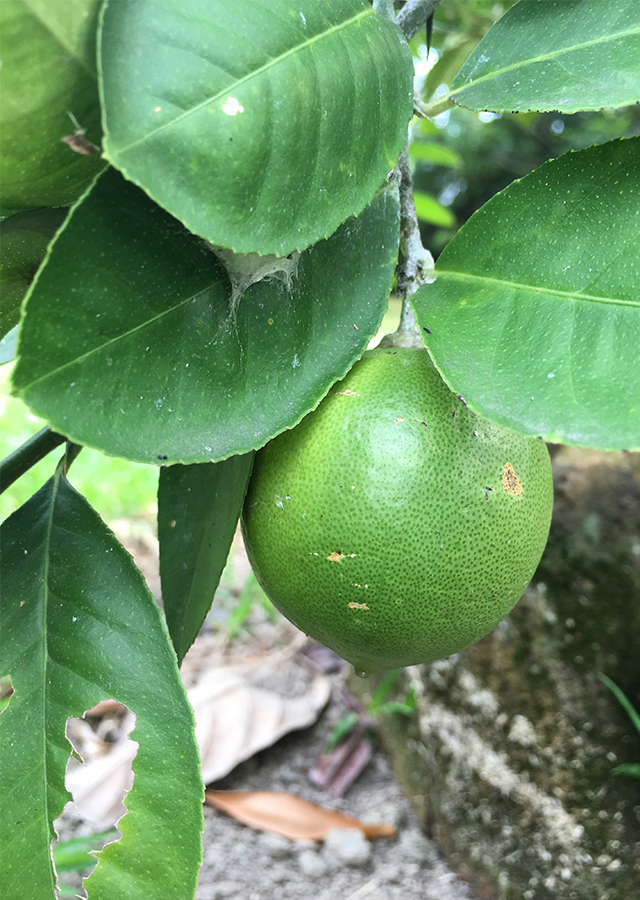
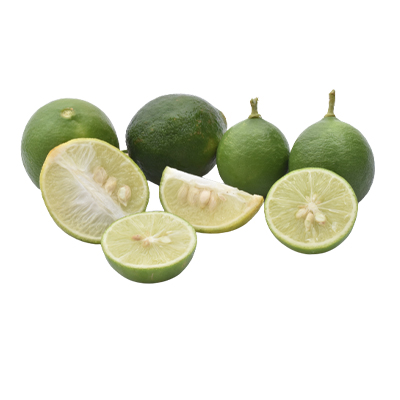
- Fruits - globose to ovoid berry, 3-6 cm in diameter, sometimes with apical papillae, greenish-yellow; a very thin peel, very densely glandular; segments with yellow-green pulp-vesicles, very acid, juicy and fragrant.
- Seeds - small, plump, ovoid, pale, smooth with white embryos (polyembryonic).
Cultivation
- Generative propagation by seeds.
- Germination typically takes place at 13 °C within 2-3 weeks.
- Vegetative propagation is by buddings and air layering of sturdy twigs, half-ripe wood.
Chemical Constituents
Alkaloids, tannins, saponins, steroids, cardiac glycosides, limonene, linalool, α-pinene, β-pinene, linalyl acetate, flavonoids (apigenin, hesperetin, rutin, quercetin, kaempferol, nobiletin), Flavones, Flavavones and naringenin.
Traditional Medicinal Uses
Medicinal Uses
- Lime is an aromatic, cooling herb that is astringent. Various parts of the plant, especially leaves, fruits, peels, and essential oils, are used medicinally.
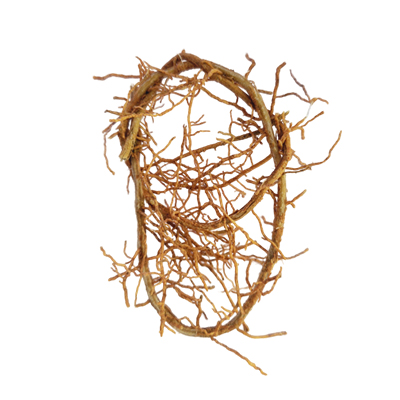
- The root has anthelmintic and contraceptive properties. It is used to treat venereal diseases and hemorrhages.
- Cancer theraphy
Traditional Uses
- The fruit juice is used to treat 'viccis', a fever that contributes to a need to sleep and digestive muscles that are uncontrollably relaxed. Different medicinal preparations are added to the juice, especially for the treatment of diarrhea, chest colds and fevers. For snakebite, it is combined with rubbed garlic and some wine and drunk.
- The juice, which is applied externally, is used for wound cleaning and ground itch and dandruff treatment.
- In treating mild problems such as biliary headaches and colds, an infusion of the leaves is taken internally.
Part Used
Reference Sources
- CABI. (2019). Invasive Species Compendium. Citrus aurantiifolia (lime). https://www.cabi.org/isc/datasheet/13438 (Accessed 18-11-2021).
- Fern, Ken, (2014). Useful Tropical Plants. Citrus aurantiifolia. http://tropical.theferns.info/viewtropical.php?id=Citrus+aurantiifolia (Accessed 11-08-2020).
- Narang, N. and Jiraungkoorskul, W. (2016). Anticancer activity of key lime, Citrus aurantiifolia. Phcog Rev 10:118-122.
- PFAF. (No date). Citrus aurantiifolia. https://pfaf.org/user/Plant.aspx?LatinName=Citrus+aurantiifolia (Accessed 11-08-2020).
- Stuart Xchange. (2016). Philippine Medicinal Plants: Dayap. http://www.stuartxchange.org/Dayap (Accessed 11-08-2020).
- Sethpakdee, R. (1992). Citrus aurantiifolia. in Verheij, E.W.M. and Coronel, R.E.(Eds.): Edible Fruits and Nuts. Plant Resources of South-East Asia (PROSEA) No.2: 126-128.